
Windsor NewsFor the people, For the city.

The Rose City rose. A nod to Windsor's City of Roses nickname. Original artwork by Windsor News.

Rose City Roots · Timeline · Chapter 4 of 11

War on the River

1812 TO 1838

Two wars and a raid were fought on this shore. Windsor War Chest tells the full military story; this chapter is the short version, with links.

The full military history is in Windsor War Chest.

Timeline

  1. 12 July 1812 Hull invades. U.S. General William Hull crosses the river and occupies the unfinished Baby house at Sandwich. Sources: City of Windsor · City of Windsor
  2. 16 August 1812 Detroit taken. British forces under Isaac Brock and Indigenous allies under Tecumseh capture Detroit. Sources: City of Windsor · Canadian Encyclopedia
  3. 5 October 1813 The Thames. Tecumseh is killed at the Battle of the Thames, near Moraviantown. Oshawana of Bkejwanong fought beside him. Sources: Canadian War Museum · Art Canada Institute
  4. 4 December 1838 The Battle of Windsor. A Patriot raid from Michigan is routed in the Baby orchard, the last of the 1838 raids. Sources: Veterans Affairs Canada · City of Windsor

Navy Yard, plaques and the island

Amherstburg and River Canard place roots from the second deep dive. Matthew Elliott remains on hold because the Ontario Heritage Trust removed his provincial plaque in 2022 and will not replace it. That card needs a separate OK on framing.

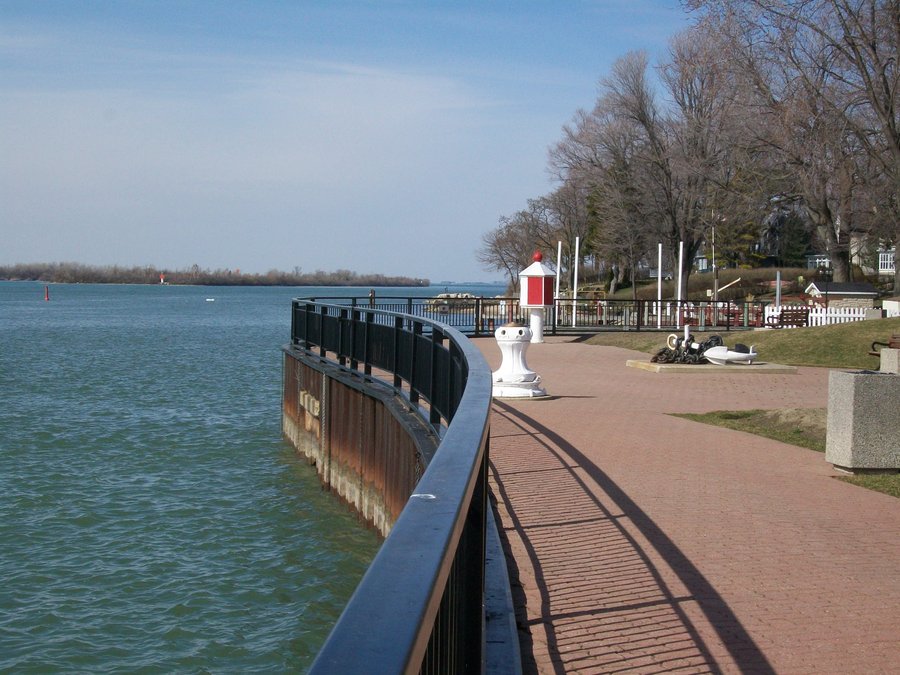
King's Navy Yard Park on the Amherstburg waterfront
Ojleslie. CC BY-SA 3.0. Via Wikimedia Commons.

Amherstburg Navy Yard National Historic Site

British naval yard on Lakes Erie and Huron, 1796 to 1813 Designated 1928

A National Historic Site for the British naval yard that served the upper lakes until 1813. Parks Canada and the Canadian Register record the designation. The photograph is King's Navy Yard Park on the Amherstburg waterfront today, not a period dockyard view.

Sources: Canadian Register of Historic Places, Amherstburg Navy Yard · Parks Canada Directory of Federal Heritage Designations
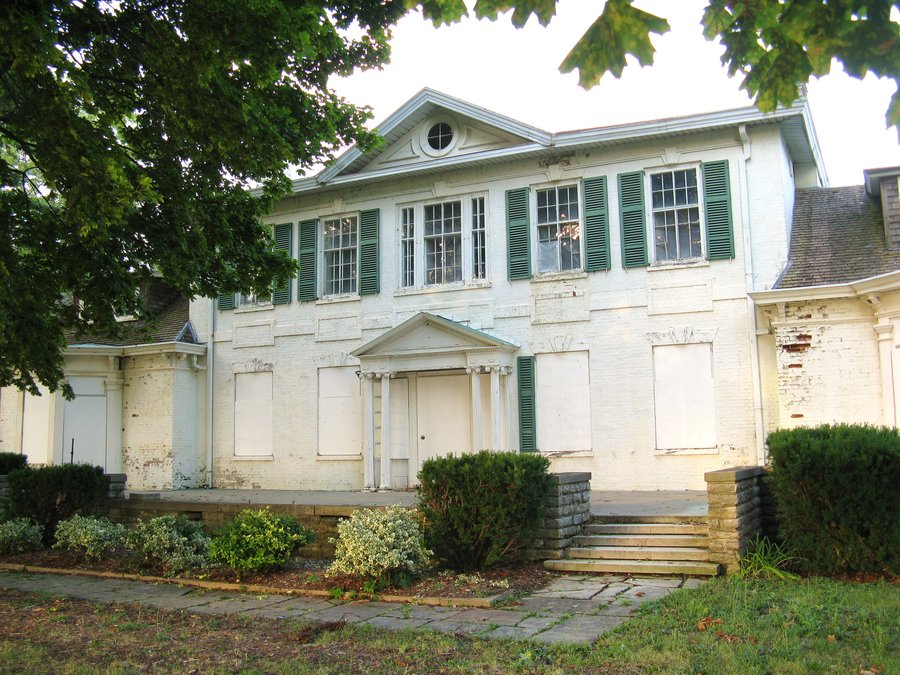
Belle Vue National Historic Site, Amherstburg, with boarded windows
Yoho2001. CC BY-SA 3.0. Via Wikimedia Commons.

Belle Vue National Historic Site

525 Dalhousie Street, Amherstburg; built 1816 to 1819 Designated 1959

A Palladian-style brick house built for Robert Reynolds and designated a National Historic Site in 1959. The photograph is the house itself, still standing, with boarded windows as it appeared when photographed for Commons. This is an Amherstburg place root, not a French Shore 1701 to 1796 story, so it sits here with the other Amherstburg wartime and shoreline sites.

Sources: Parks Canada: Belle Vue NHS · Canadian Register of Historic Places
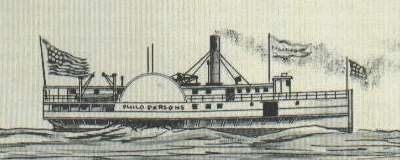
Historic drawing of the steamship Philo Parsons
Unknown artist. Public domain. Via Wikimedia Commons.

The Philo Parsons incident

Lake Erie, 1864; Amherstburg plaque American Civil War on the lakes

A Confederate plot seized the steamer Philo Parsons on Lake Erie in 1864, with a shoreline tie that Amherstburg marks by plaque. The drawing is the ship, not the plaque (a plaque photograph was not taken tonight).

Sources: Town of Amherstburg historic plaques · Ontario plaques directory (events)
King's Navy Yard Park on the Amherstburg waterfront
King's Navy Yard Park on the Amherstburg waterfront, near where Lt.-Col. William Caldwell was based. This is the waterfront today, not a portrait of Caldwell. Photo: Ojleslie. CC BY-SA 3.0, via Wikimedia Commons.

Lt.-Col. William Caldwell

British officer and Indian Department official near Amherstburg War of 1812

A British officer and Indian Department official based near Amherstburg, with a Dictionary of Canadian Biography entry and a Veterans Affairs memorial plaque. The Nations context should be read with the DCB, not as a simple hero card. A modern U.S. general of a similar name was rejected as a photo match.

Sources: Dictionary of Canadian Biography · Veterans Affairs Canada
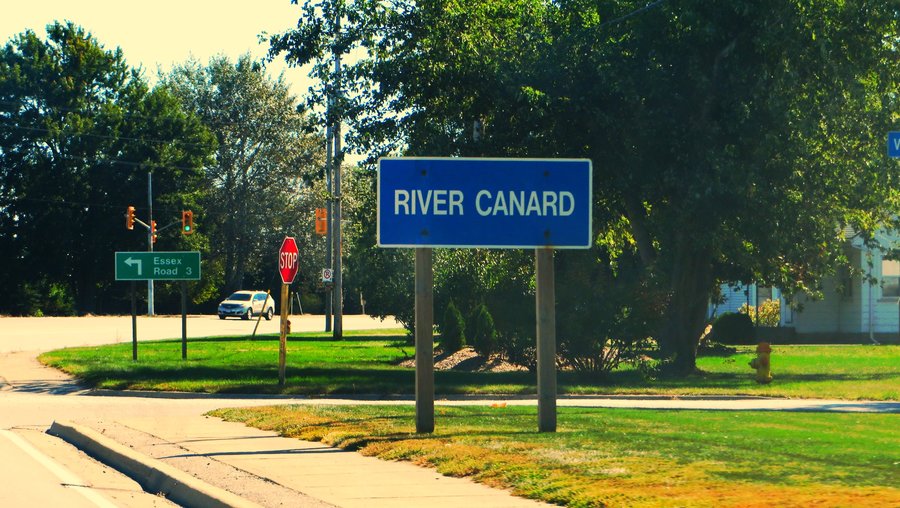
River Canard, Ontario, today, with a community sign
Ken Lund. CC BY-SA 2.0. Via Wikimedia Commons.

River Canard Bridge skirmishes

War of 1812 fighting at River Canard OHT plaque, with a 2025 bridge-plaque note

War of 1812 fighting at River Canard, marked by an Ontario Heritage Trust plaque. A newer River Canard Bridge plaque has also been noted by the Trust. The photograph is the community today, with the River Canard sign, not the 1812 battlefield itself.

Sources: Ontario Heritage Trust background paper · Ontario Heritage Trust news release
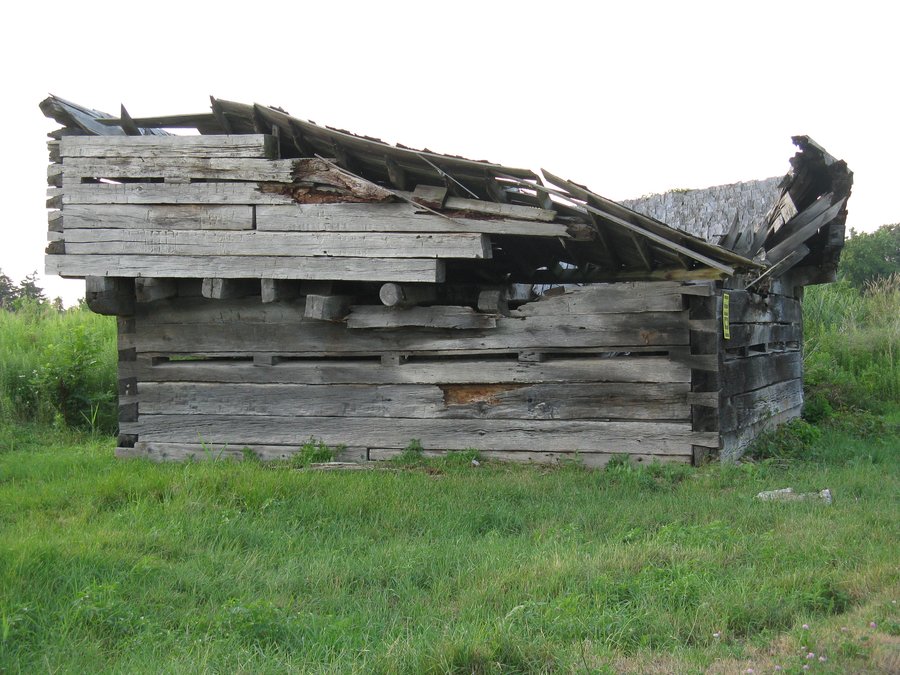
A wooden blockhouse on Bois Blanc Island
Yoho2001. CC BY-SA 3.0. Via Wikimedia Commons.

Bois Blanc Island blockhouses

War of 1812-era blockhouses on Bois Blanc (Bob-Lo) Island Military end of the island

Period blockhouses on Bois Blanc Island, later better known for the Bob-Lo amusement park. This card keeps the military blockhouse angle; the amusement-park story is already in other Lost Windsor and river research and is not retold here. The photograph is a surviving blockhouse.

Sources: Town of Amherstburg historic plaques · Windsor Public Library, Bob-Lo Island

People to know

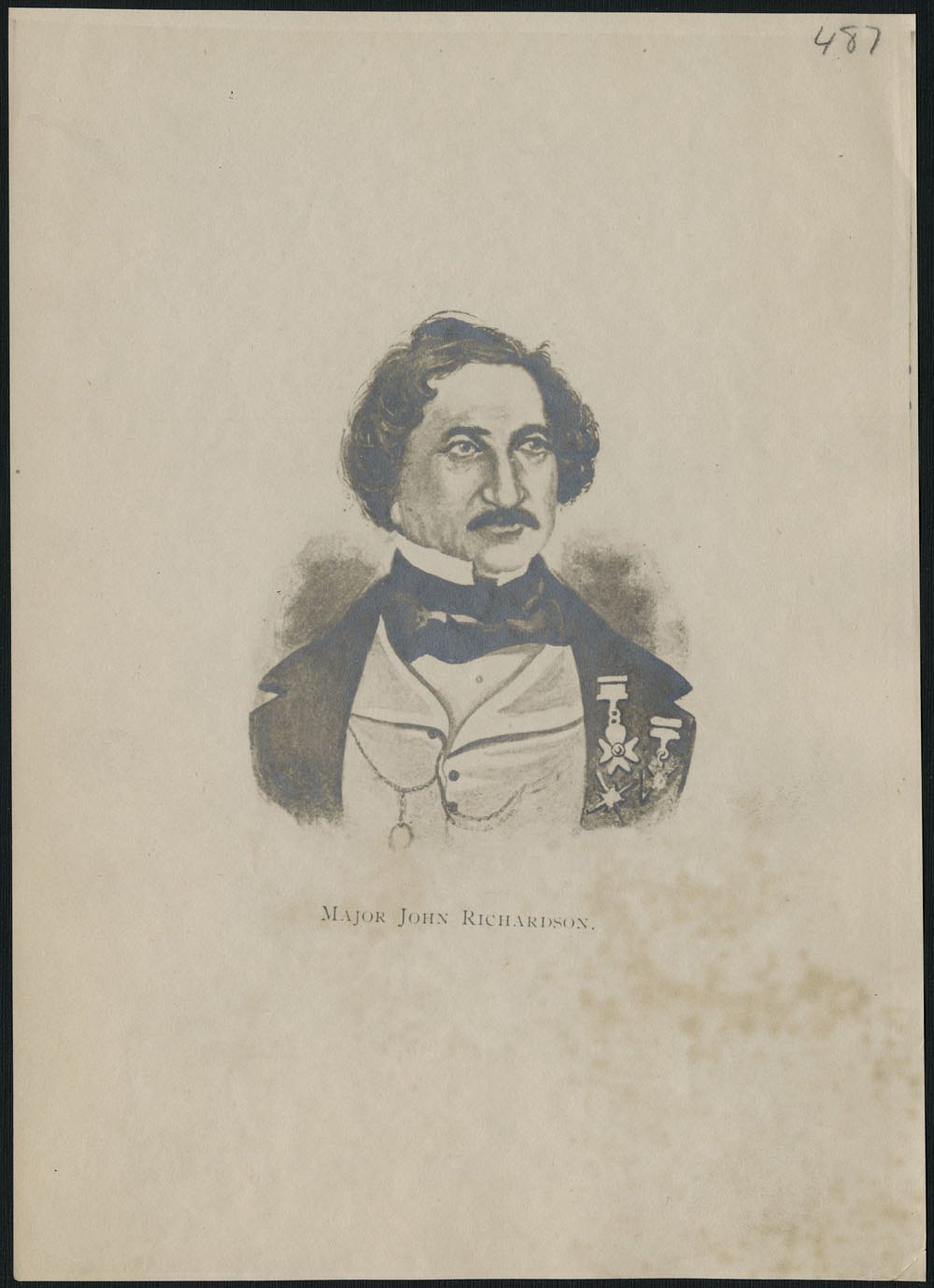
Adult portrait of John Richardson, author and 1812 volunteer
Frederick William Lock / Library and Archives Canada. Already cleared on War Chest. This is an adult portrait; he was 16 in 1812.

John Richardson

Born 4 October 1796 at Niagara; youth on the Detroit River; author of Wacousta War on the River

Born at Fort George or nearby Queenston, not in Windsor. He spent his youth on the Detroit River, including his adolescent years in Amherstburg, and time with his Askin grandparents after they moved to Sandwich in 1802. In 1812, at 16, he joined the 41st Foot as a volunteer and was present at the capture of Detroit. He was taken prisoner at Moraviantown in 1813. He later wrote Wacousta (1832) and The War of 1812 (1842). He died in New York on 12 May 1852. The portrait is also on Windsor War Chest. Tie: raised on the Detroit River, including Sandwich and Amherstburg; 1812 service at Detroit. He was not Windsor-born.

Sources: Dictionary of Canadian Biography · War Chest chronology
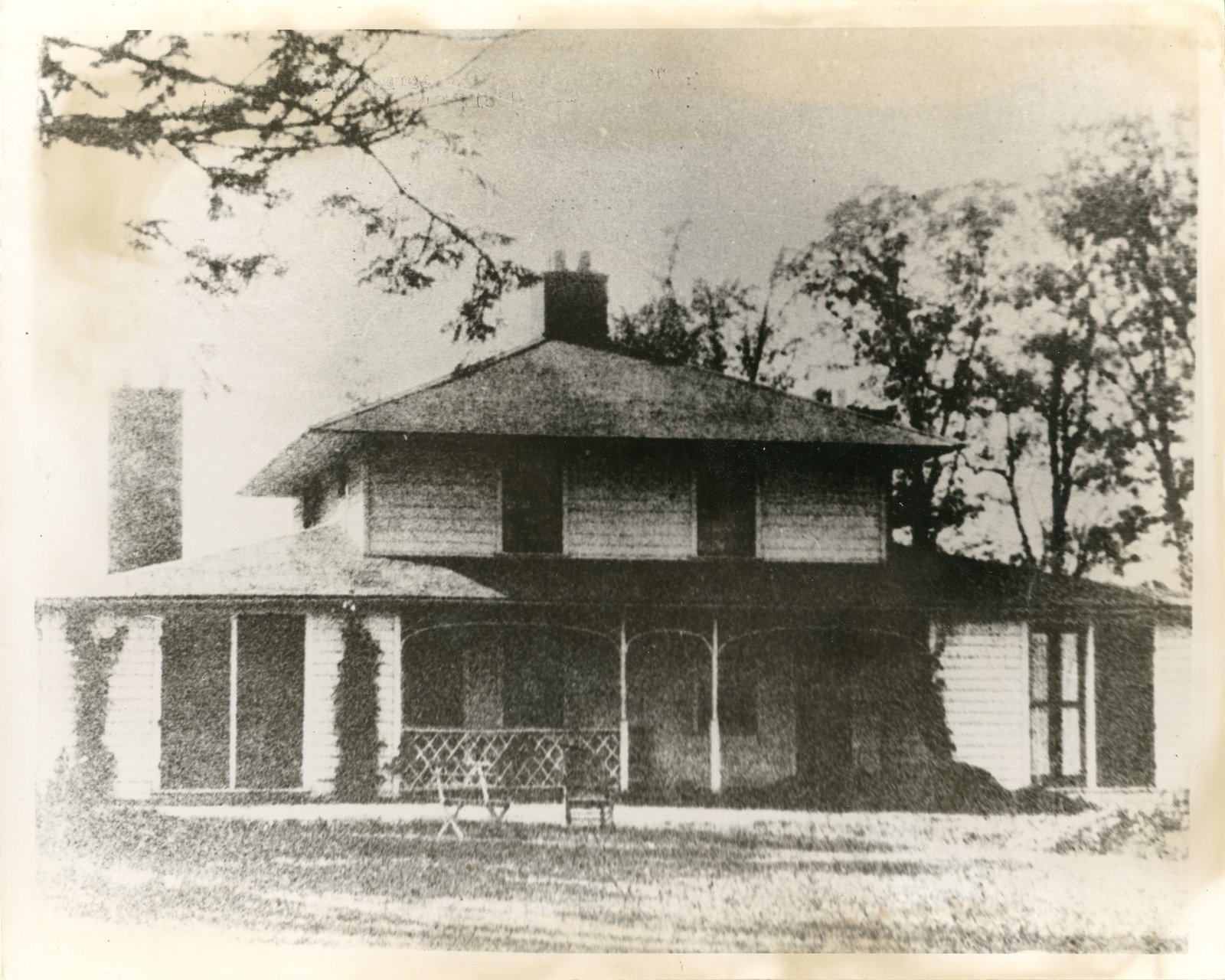
The former John Prince home at Prince's Grove, about 1900
The former John Prince home at Prince's Grove, Prince Road and College Avenue, about 1900. Prince died in 1870. This is the house, not a likeness. Southwestern Ontario Digital Archive, University of Windsor Leddy Library (Walkerville Times Collection). Public domain.

John Prince

Settled Sandwich 1833; Essex politician and militia officer Patriot crises 1838

English-born lawyer who settled at Sandwich in 1833. He sat for Essex and helped capture the Patriot schooner Anne on 9 January 1838, and served at Fighting Island and Pelee Island. Windsor War Chest already tells this story in its chronology; this card brings him onto Rose City Roots with a cross-link. Tie: settled Sandwich; Essex militia and politics.

Sources: Dictionary of Canadian Biography · Windsor War Chest chronology
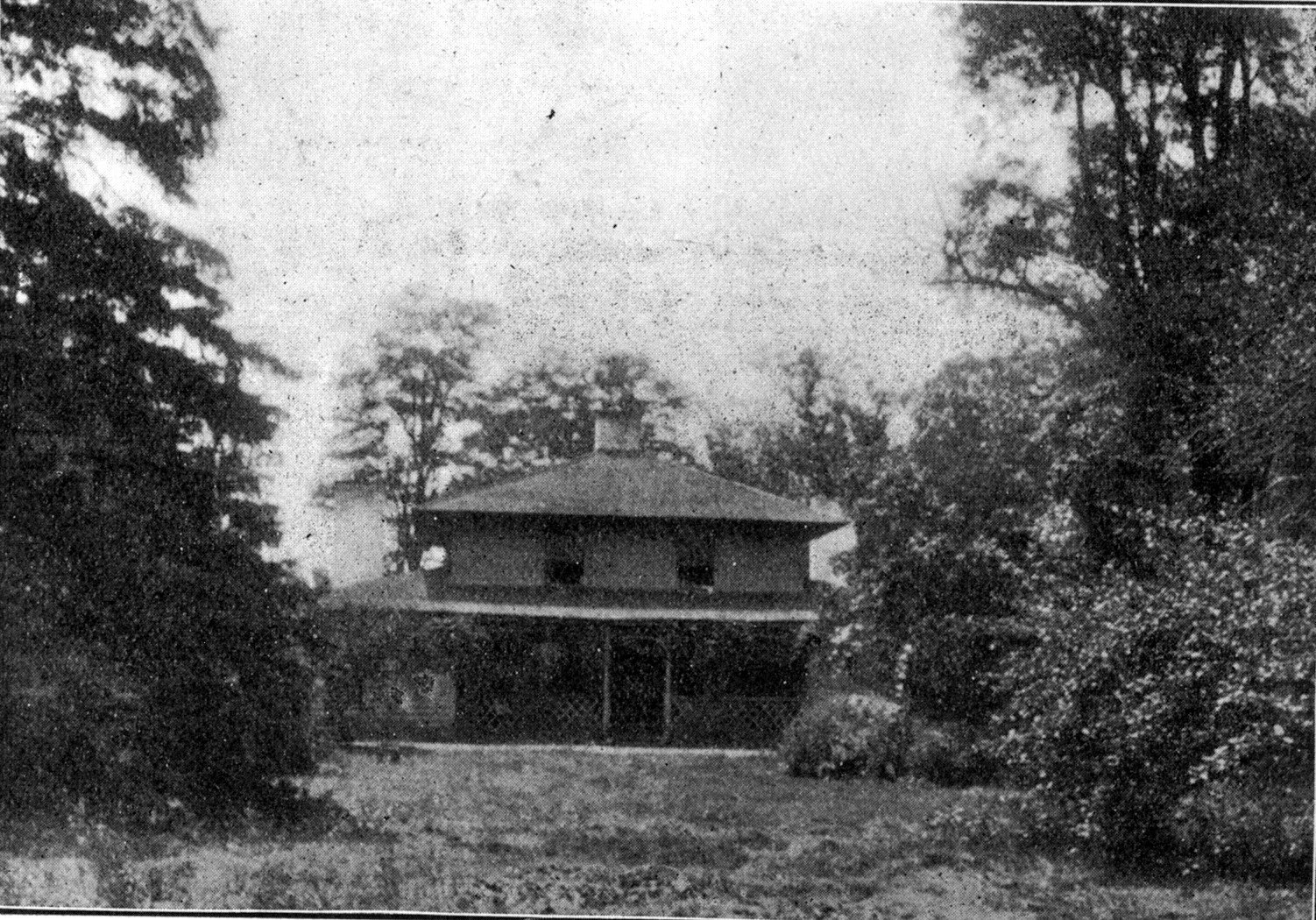
The John Prince house in Frederick Neal's 1909 Sandwich township book
The same house, from Frederick Neal, The Township of Sandwich: Past and Present, 1909, page 67. Public domain, via Southwestern Ontario Digital Archive, University of Windsor Leddy Library.
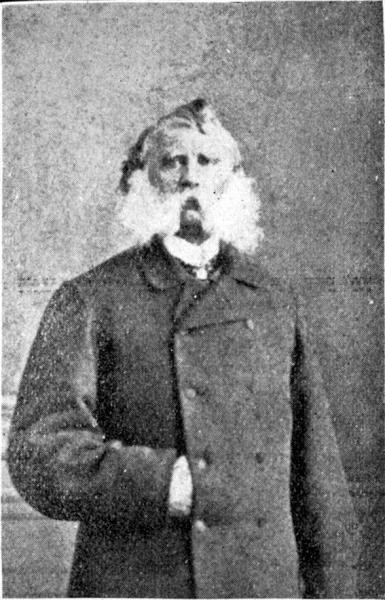
Photograph of Colonel Arthur Rankin as an older man, with white hair and beard, published in 1909
From Frederick Neal, The Township of Sandwich: Past and Present (1909), page 70, via Southwestern Ontario Digital Archive, University of Windsor Leddy Library. Public domain.

Arthur Rankin

Born Montreal, 1816; died Windsor, 13 March 1893; Essex MLA and 1838 militia officer City Hall / War on the River

He qualified as a surveyor in 1837 and began practice in the Windsor area. During the Patriot attack on Windsor in December 1838 he helped lead the counter-attack and captured the Patriot standard. He later sat for Essex in the legislature (1854 to 1857, and again 1863 to 1867, with interruptions) and was a long-time rival of John Prince. He was a contentious public figure: a railway-charter inquiry in 1857 damaged him, and in 1861 a brief United States commission led to a Foreign Enlistment Act arrest in Toronto; he was not convicted. He died in Windsor. The SWODA label that has him born in 1824 is wrong; the Dictionary of Canadian Biography gives 1816 in Montreal. Tie: practised, fought, campaigned and died here.

Sources: Dictionary of Canadian Biography · Frederick Neal, 1909, page 70 (SWODA, public domain)
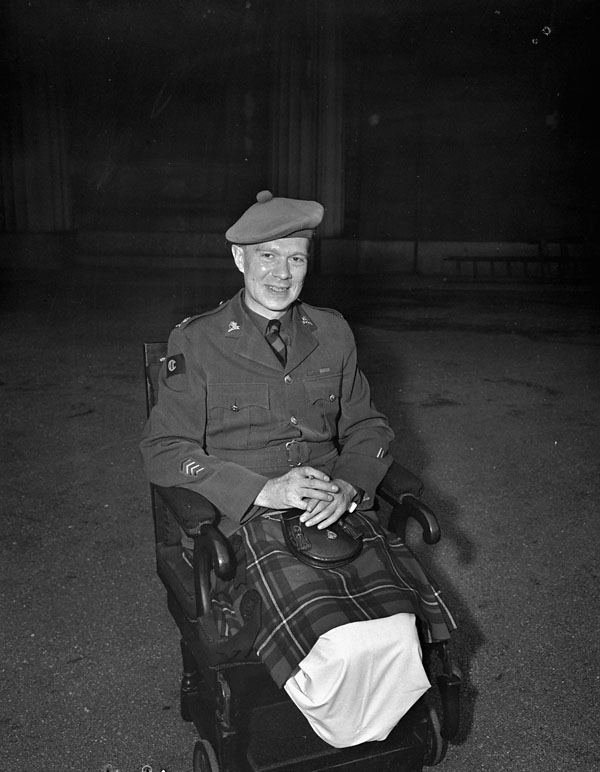
Maj. Frederick A. Tilston at his Victoria Cross investiture, 1945
Lieut. Arthur L. Cole / Canada. Dept. of National Defence / LAC PA-189620. Already cleared on War Chest. Not a Windsor parade photo.

Frederick A. Tilston, VC

Essex Scottish Regiment; Victoria Cross, Hochwald, 1 March 1945 Cross-link to War Chest

Born in Toronto on 11 June 1906. He earned the Victoria Cross with the Essex Scottish. Windsor's Tilston Armoury carries his name. The full story and investiture photograph live on Windsor War Chest; Rose City Roots points readers there rather than duplicating the chapter. Tie: Essex Scottish / Windsor armoury name.

Sources: War Chest: Tilston · National Defence VC page · Veterans Affairs Canada

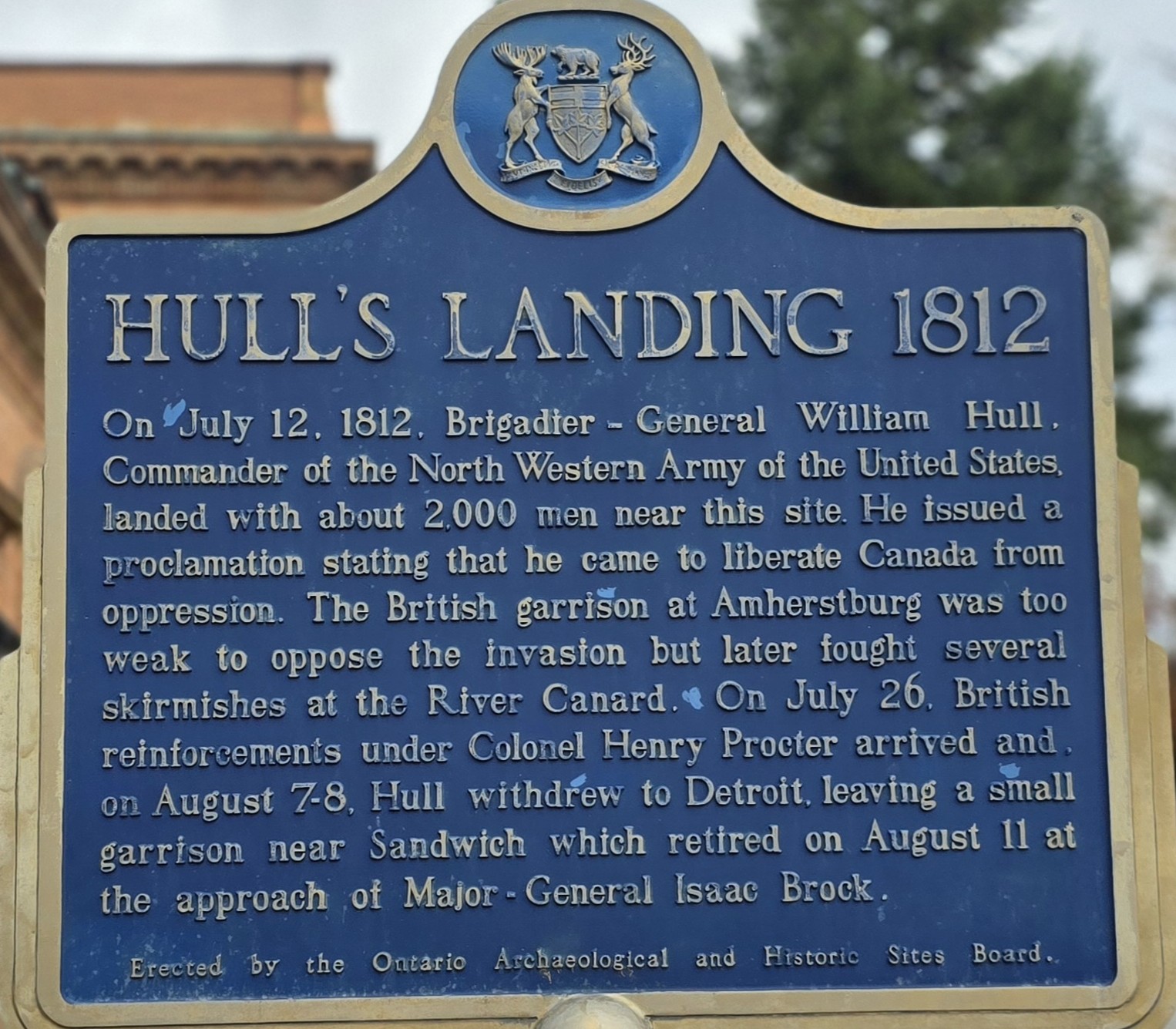
Hull's Landing, 1812

A blue Ontario Archaeological and Historic Sites Board plaque titled Hull's Landing 1812, 6 November 2026.
Hull's Landing 1812 plaque, 6 November 2026. The plaque, erected by the Ontario Archaeological and Historic Sites Board, says that on July 12, 1812, Brigadier-General William Hull, Commander of the North Western Army of the United States, landed with about 2,000 men near this site and issued a proclamation stating that he came to liberate Canada from oppression. It says the British garrison at Amherstburg was too weak to oppose the invasion but later fought several skirmishes at the River Canard; that on July 26 British reinforcements under Colonel Henry Procter arrived; and that on August 7-8 Hull withdrew to Detroit, leaving a small garrison near Sandwich which retired on August 11 at the approach of Major-General Isaac Brock. Photo by Kyle L. Stewart, Windsor News
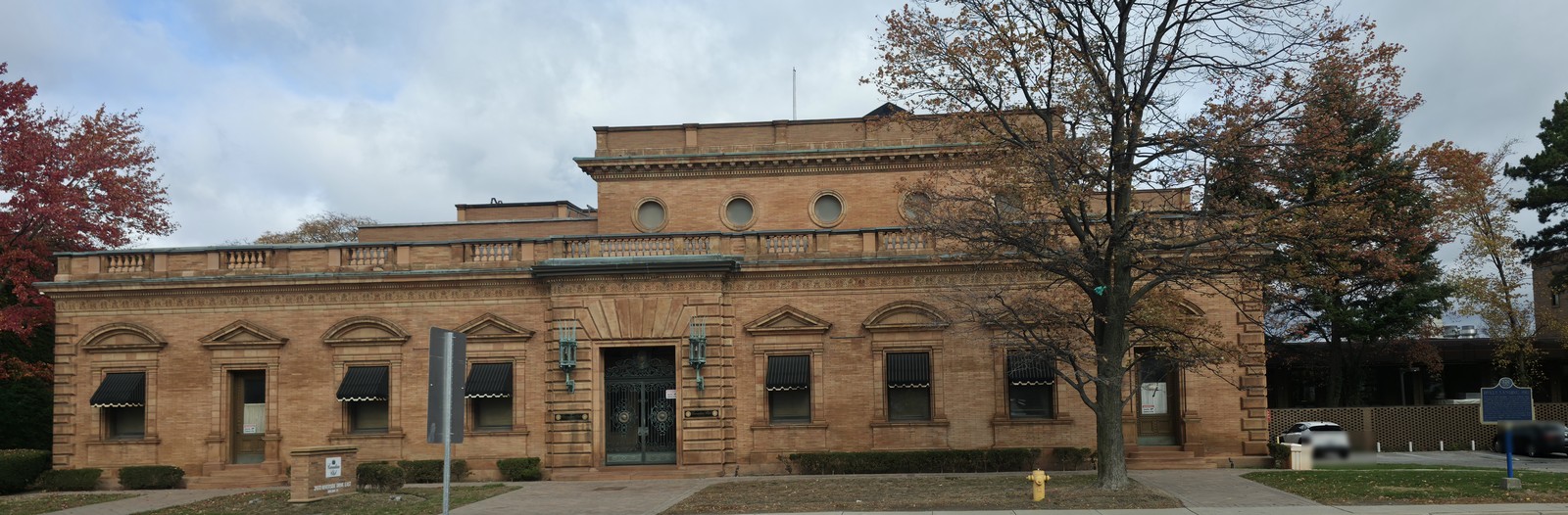
The Hull's Landing 1812 plaque standing beside the Canadian Club Brand Centre, 6 November 2026.
The Hull's Landing 1812 plaque, beside the Canadian Club Brand Centre, 6 November 2026. Photo by Kyle L. Stewart, Windsor News

Pictures

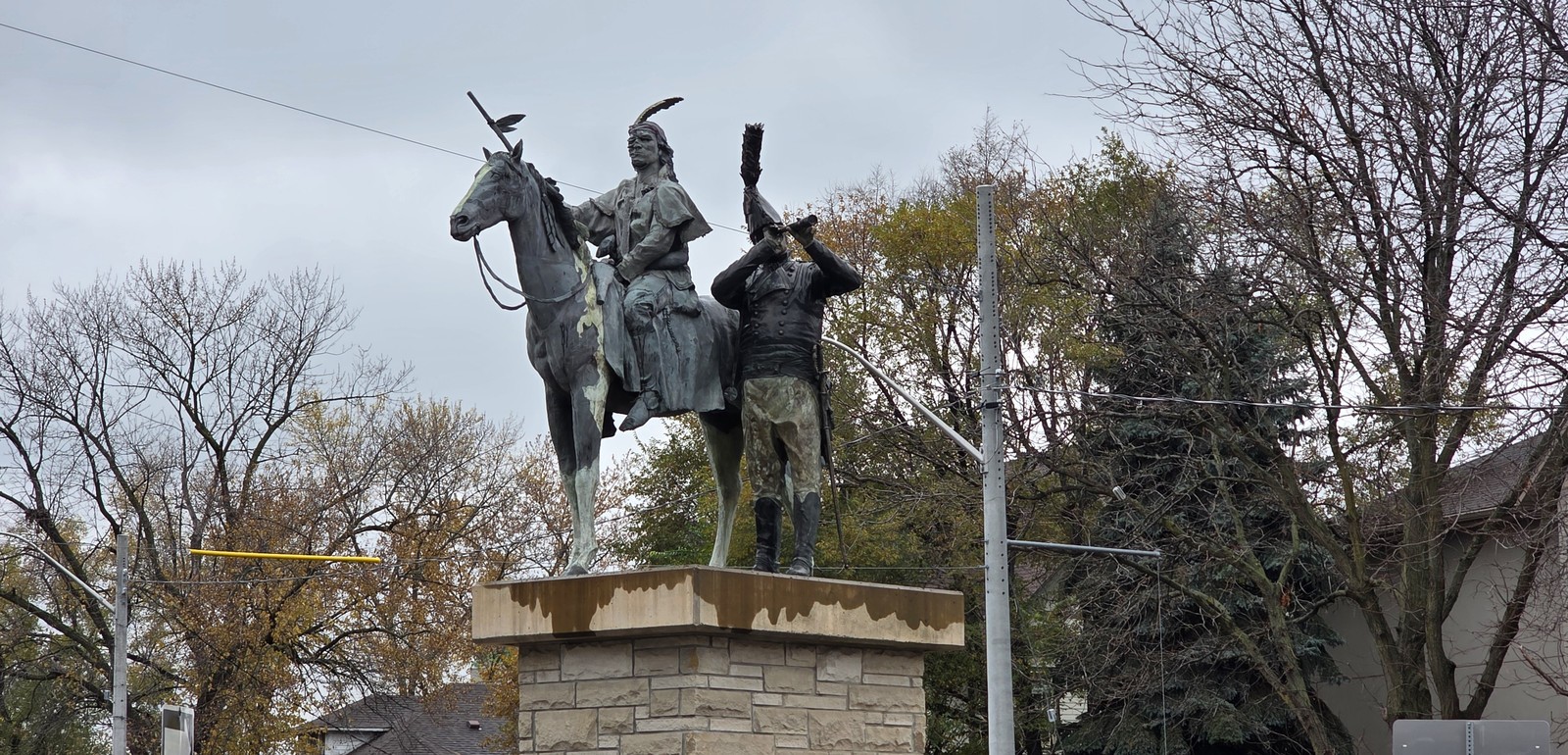
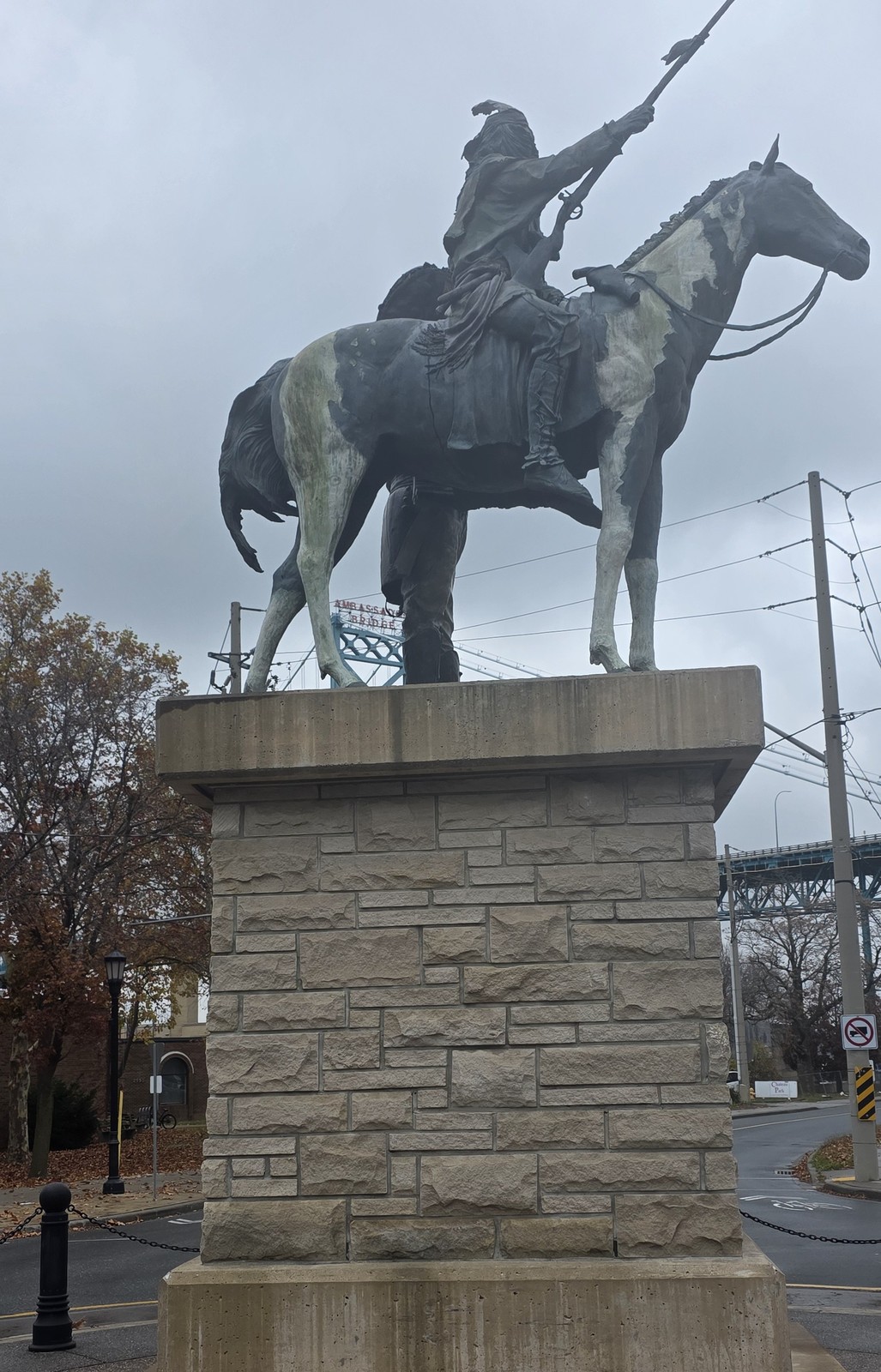
The Tecumseh and Brock Monument, by Mark Williams, 2018, at the centre of the Sandwich Town roundabout, with the Ambassador Bridge behind it, 12 November 2026.
Tecumseh and Brock Monument, by Mark Williams, 2018, at the centre of the Sandwich Town roundabout, 12 November 2026. The bronze sculpture shows Shawnee leader Tecumseh on horseback and Major-General Sir Isaac Brock with a telescope. The Ambassador Bridge stands behind it. Photo by Kyle L. Stewart, Windsor News
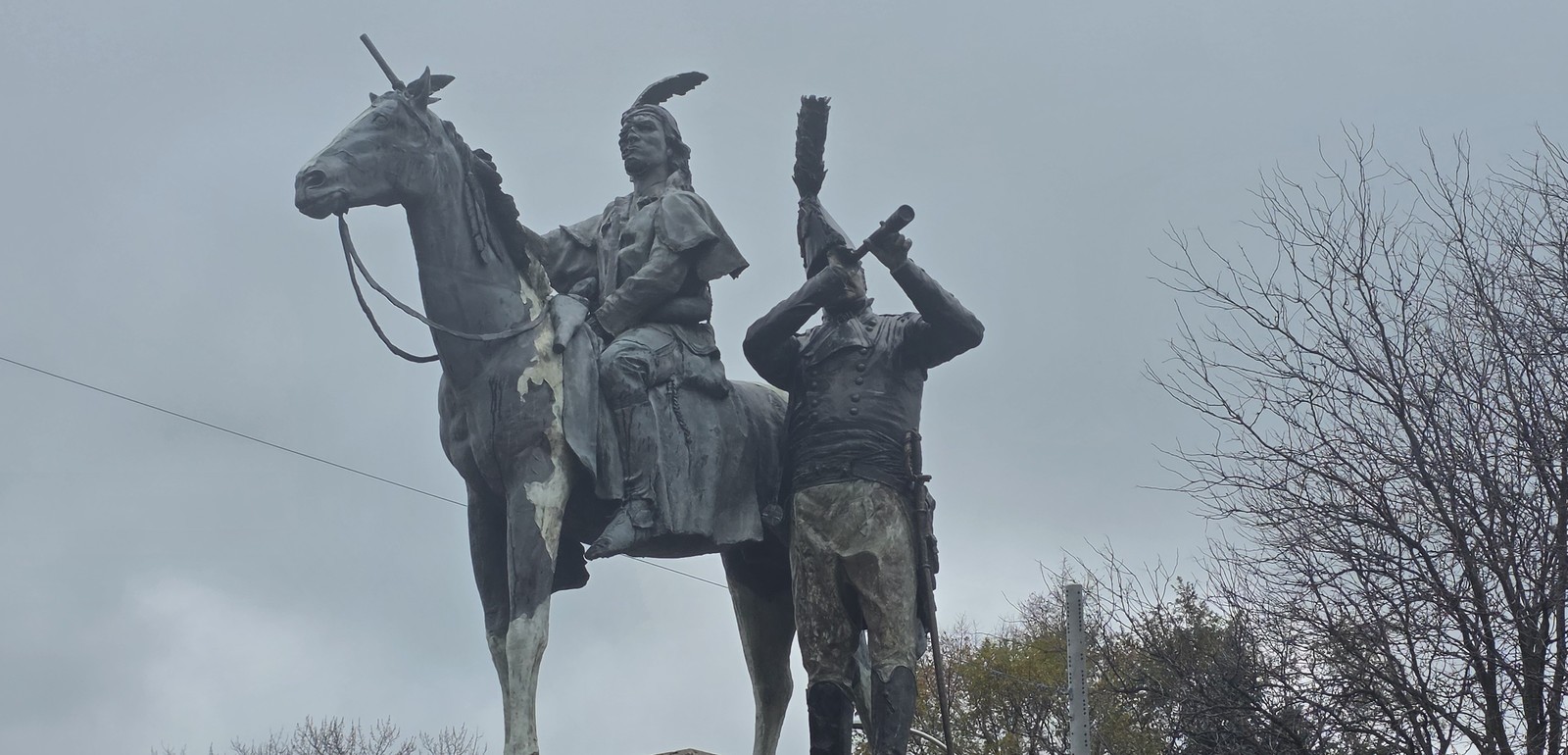
Closer view of the Tecumseh and Brock Monument, by Mark Williams, 2018, at the Sandwich Town roundabout, 12 November 2026.
Tecumseh and Brock Monument, closer view, 12 November 2026. Photo by Kyle L. Stewart, Windsor News
The Tecumseh and Brock Monument, with the Ambassador Bridge behind it, 12 November 2026.
Tecumseh and Brock Monument, with the Ambassador Bridge behind it, 12 November 2026. Photo by Kyle L. Stewart, Windsor News
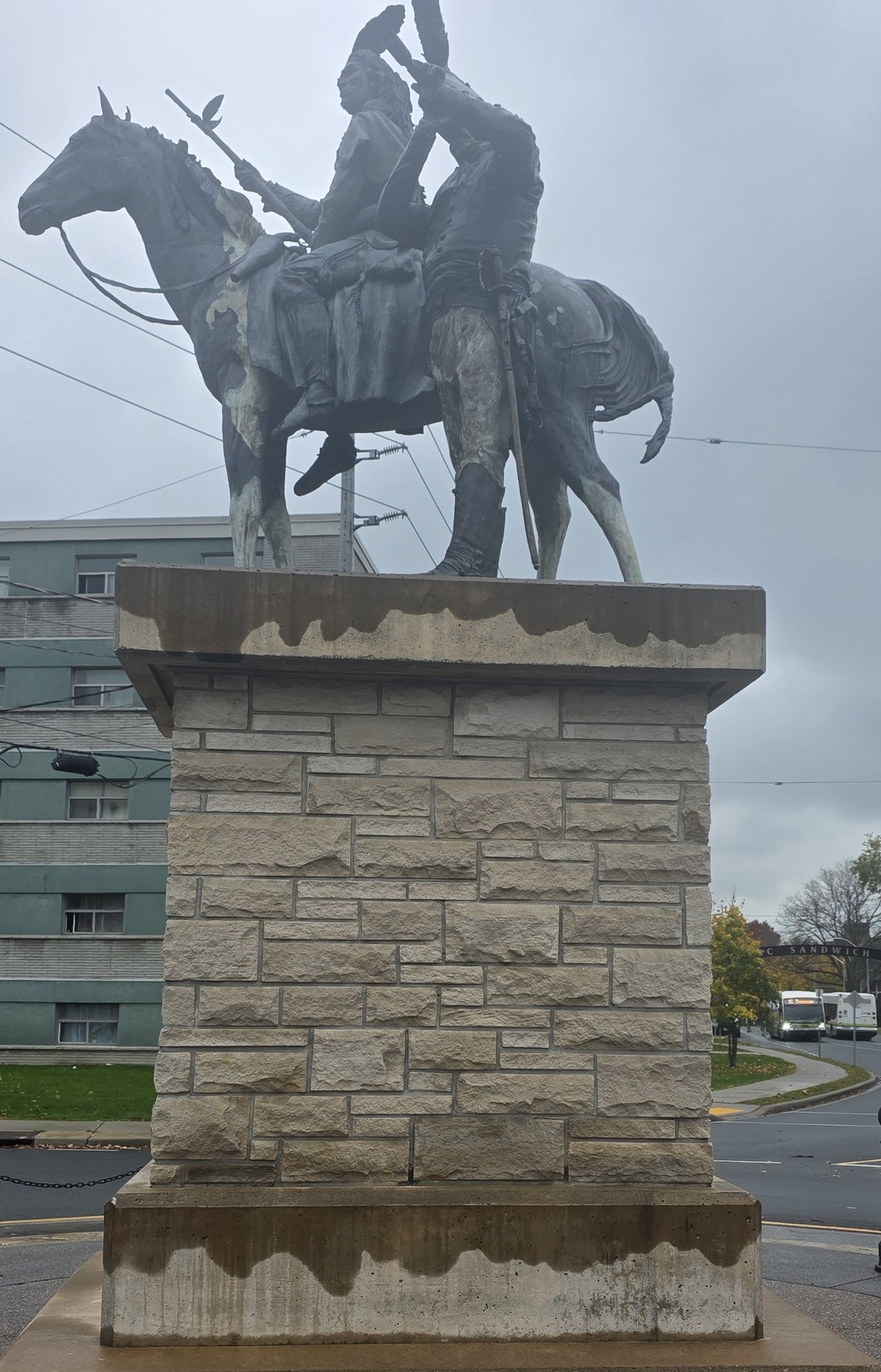
The Tecumseh and Brock Monument from the rear, showing the stone pedestal, at the Sandwich Town roundabout, 12 November 2026.
Tecumseh and Brock Monument, from the rear, 12 November 2026. Photo by Kyle L. Stewart, Windsor News

Sources: City of Windsor, Tecumseh Brock Monument · Veterans Affairs Canada, Tecumseh and Brock Monument

François Baby house as in 1812 (Lossing sketch)
François Baby house as in 1812 (Lossing sketch). Baby's house at Sandwich, sketch by Benson J. Lossing, Pictorial Field-Book of the War of 1812 (1868). Public domain.
Sandwich barracks (Lossing)
Sandwich barracks (Lossing). Sandwich barracks, Benson J. Lossing, Pictorial Field-Book of the War of 1812 (1868). Public domain.
Tecumseh at the Battle of the Thames (C. W. Jefferys watercolour)
Tecumseh at the Battle of the Thames (C. W. Jefferys watercolour). Tecumseh at the Battle of the Thames, 5 October 1813. C. W. Jefferys, 1912 (imagined scene). From N. S. Gurd, The Story of Tecumseh. Public domain.
Tecumseh, after an 1808 sketch by Pierre Le Dru (Lossing)
Tecumseh, after an 1808 sketch by Pierre Le Dru (Lossing). Tecumseh, engraving after a sketch attributed to Pierre Le Dru. B. J. Lossing, The Pictorial Field-Book of the War of 1812 (1868). Public domain.
Ogimaa Oshawana (John Naudee) of Bkejwanong (Walpole Island)
Ogimaa Oshawana (John Naudee) of Bkejwanong (Walpole Island). Ogimaa Oshawana of Bkejwanong (Walpole Island), photographed at the Grand General Council, Brantford, September 1858. Photographer unknown. Library and Archives Canada, C-008543 / e010797042. Public domain.

All chapters

Share a family photo or story

Have a photograph, a letter or a short family account from Windsor-Essex? Email a copy. Names, dates and places help. Keep your originals. We only publish with your permission, and we credit the family. Please do not send social insurance numbers, medical files or other private records.

Open an email to windsornewsdesk@gmail.com

If the button does not open mail, write us at windsornewsdesk@gmail.com with the same details. Nothing you type here is stored on this site. The fields only help fill the email on your device.