Free to use
French royal white flag
1701 to 1760
The plain white flag of the French navy flew over forts like Pontchartrain at Detroit. French farm families settled la Petite Côte from 1749.
Sources: Canadian Heritage; Encyclopedia of French Cultural Heritage in North America
Drawn by Windsor News. Public domain design.
Free to use
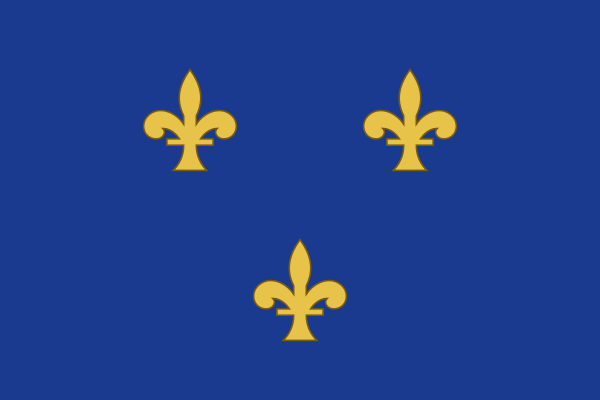
Royal banner of France
1701 to 1760
The king’s gold fleurs-de-lis on blue. There was no official flag of New France; these were the two French flags of the time. A fleur-de-lis is still on Windsor’s 1992 coat of arms.
Sources: Canadian Heritage; Governor General, Public Register of Arms
Drawn by Windsor News. Public domain design.
Free to use
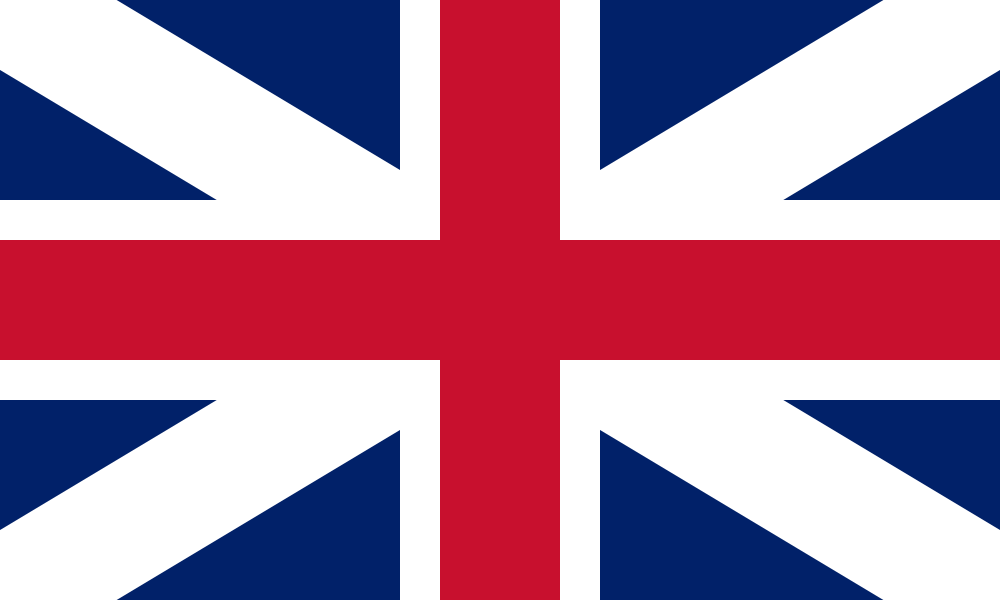
Union Flag, first design
1760 to 1801
Britain held both shores from 1760, confirmed by the Treaty of Paris in 1763. This flag flew when Sandwich was laid out in 1796 and 1797.
Sources: Canadian Encyclopedia; Rose City Roots, The French Shore and Sandwich chapters
Public domain, via Wikimedia Commons.
Free to use
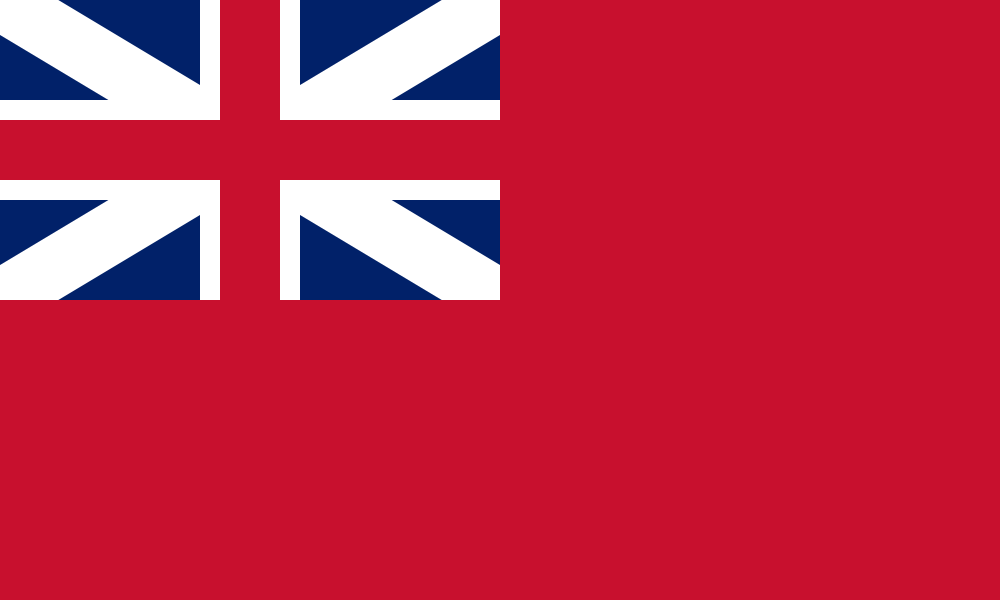
British Red Ensign
1760 to 1801
The merchant flag on river ships. Every Canadian Red Ensign, and Ontario’s flag today, grew from it.
Sources: Canadian Encyclopedia, Canadian Red Ensign
Public domain, via Wikimedia Commons.
Free to use
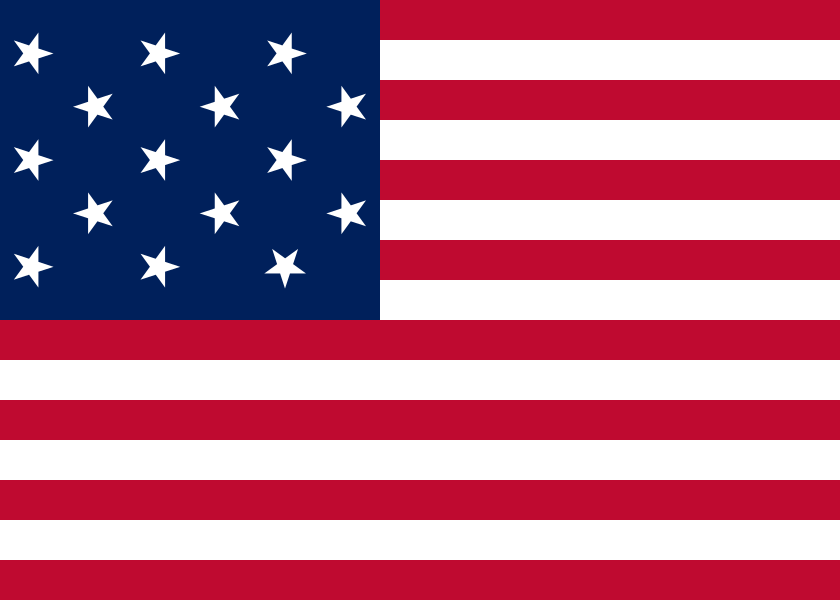
United States, 15 stars
1796 to 1812, and 1813 to 1815
Over Detroit from 11 July 1796, when the river became a border. General Hull brought it into Sandwich on 12 July 1812. US troops held this shore from October 1813 to July 1815.
Sources: Rose City Roots, War on the River; Parks Canada, Fort Malden history
Public domain, via Wikimedia Commons.
Free to use
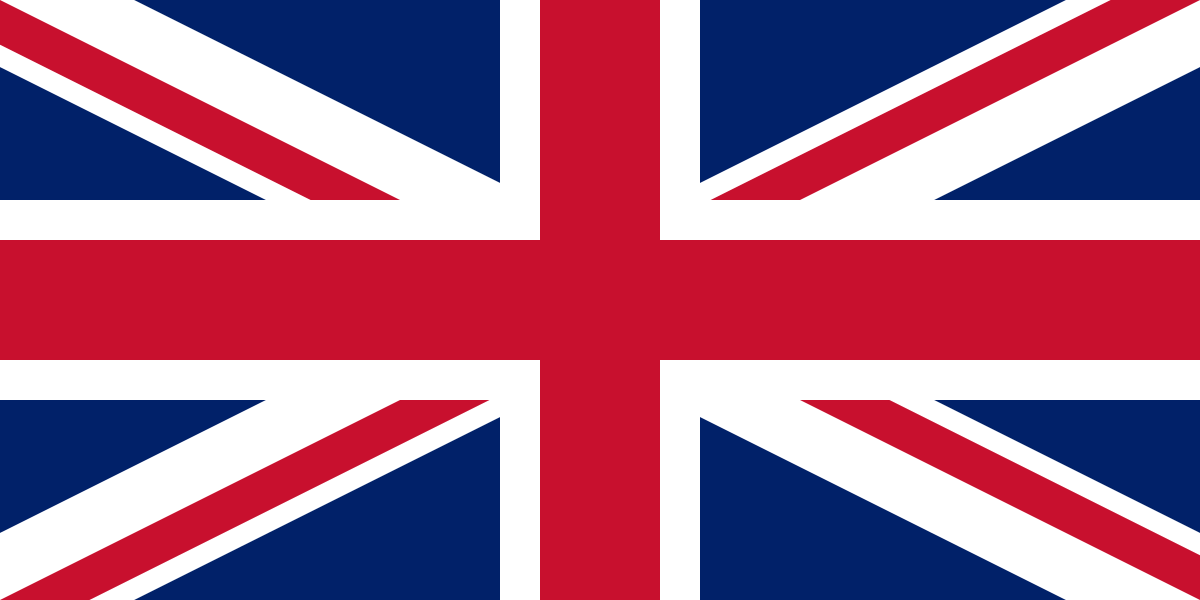
Union Flag, 1801
1801 to 1965, and still official
Upper Canada (1791 to 1841) and the Province of Canada (1841 to 1867) never had flags of their own. This was their flag: the flag of 1812, of the 1838 Battle of Windsor, and the flag freedom seekers crossed the river toward.
Sources: Canadian Heritage; Governor General, Royal Union Flag 1801; Parliament of Canada, 18 December 1964
Public domain, via Wikimedia Commons.
Free to use
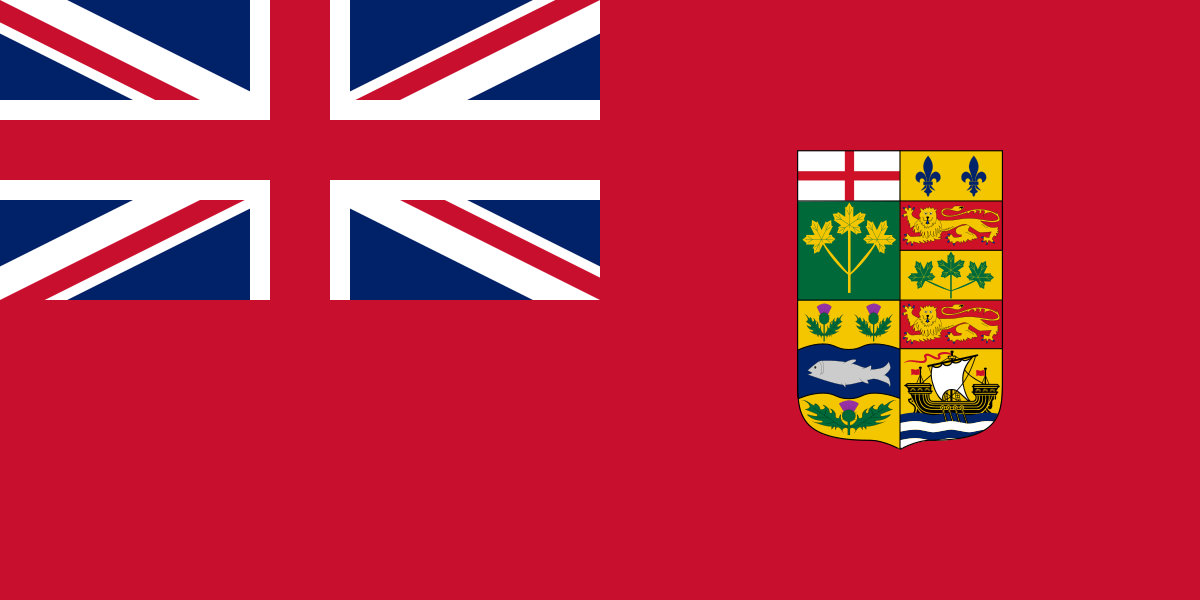
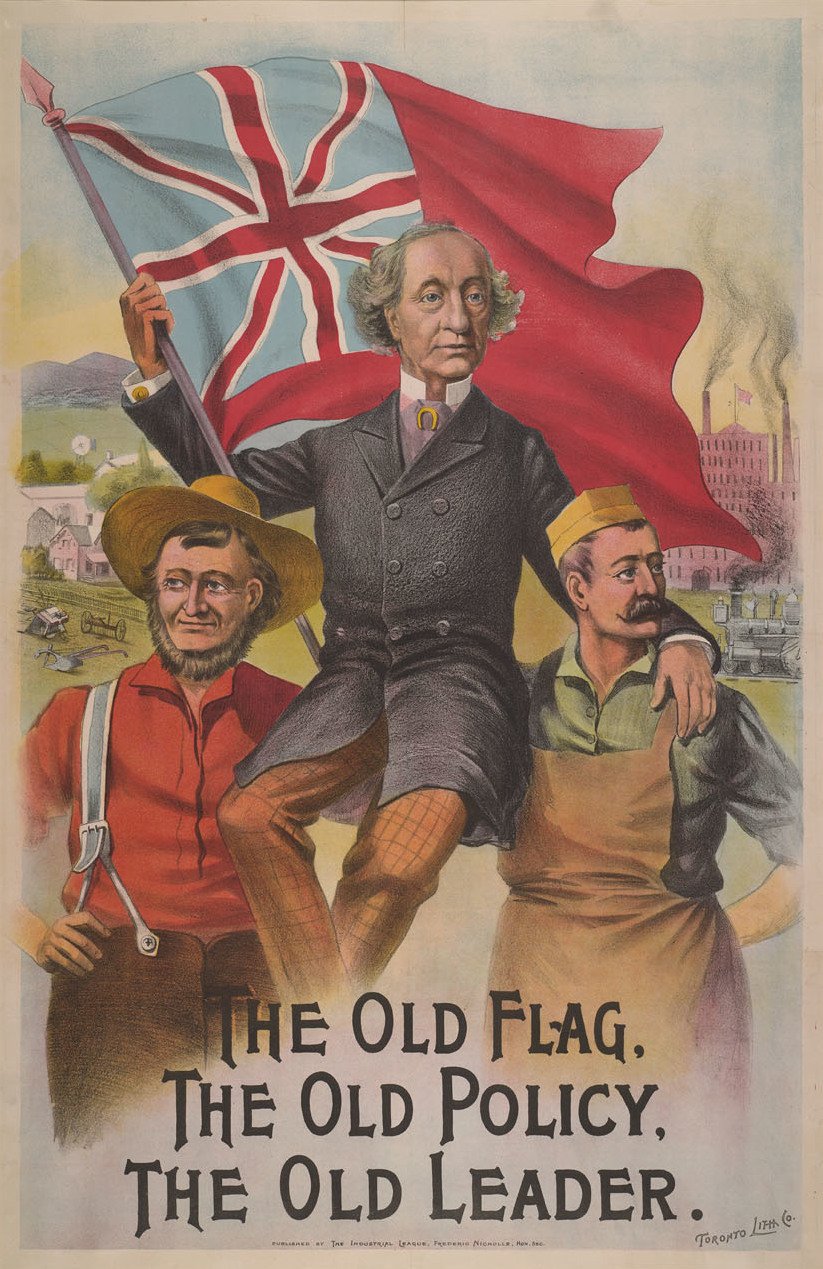
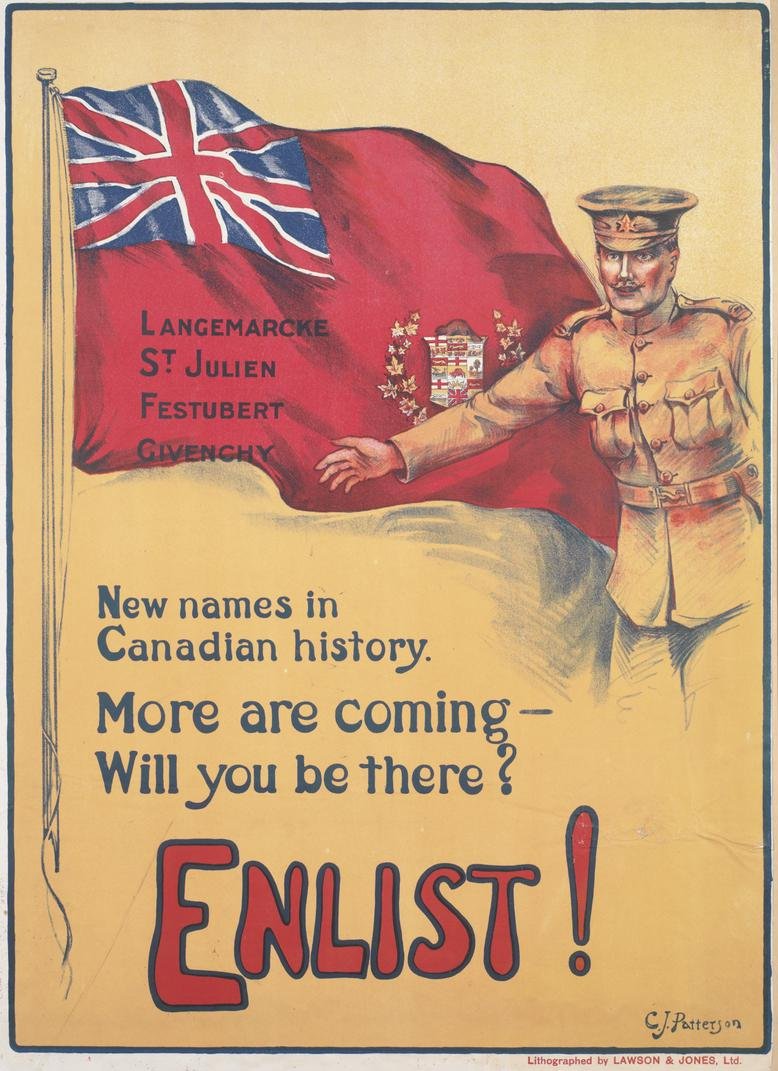
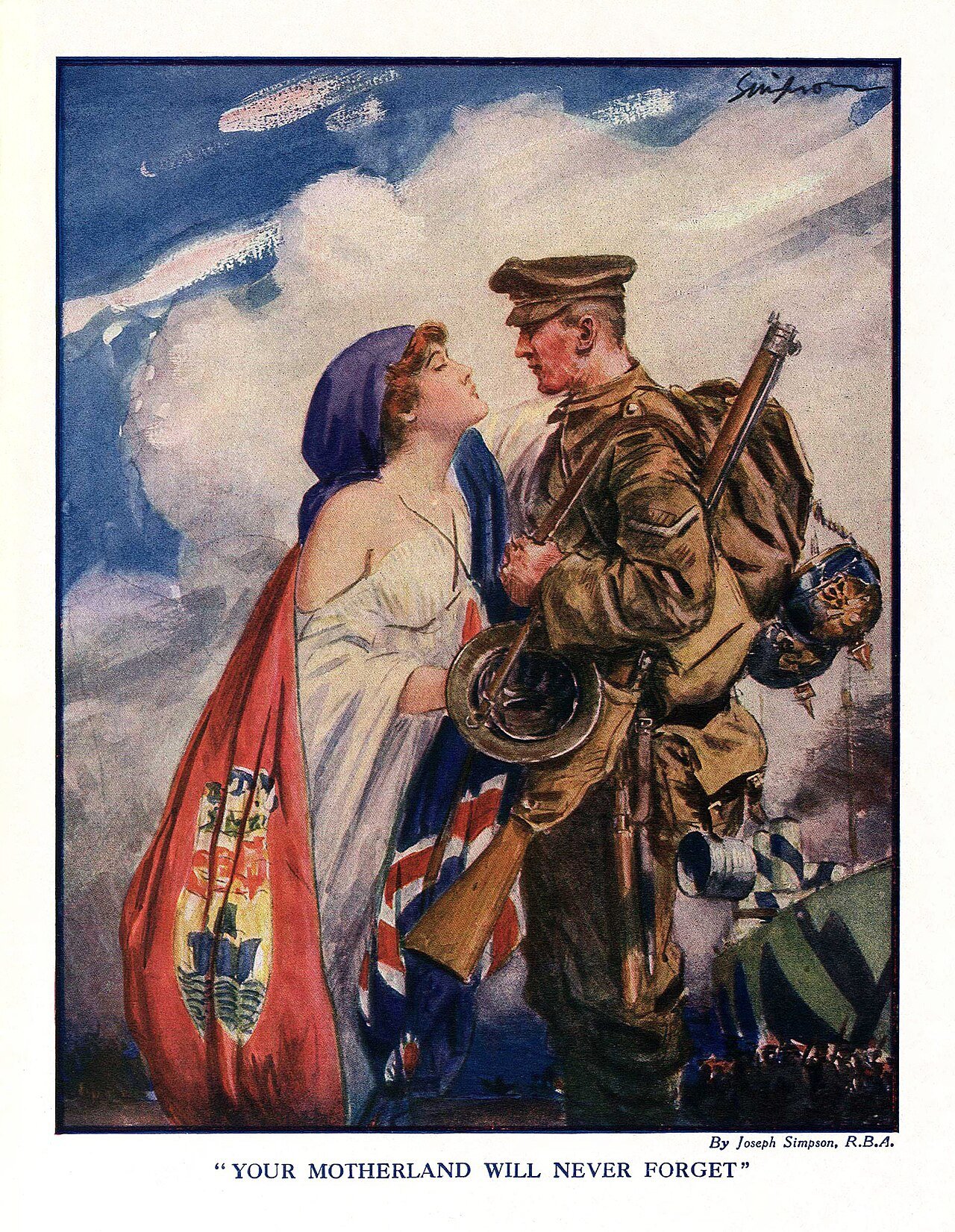
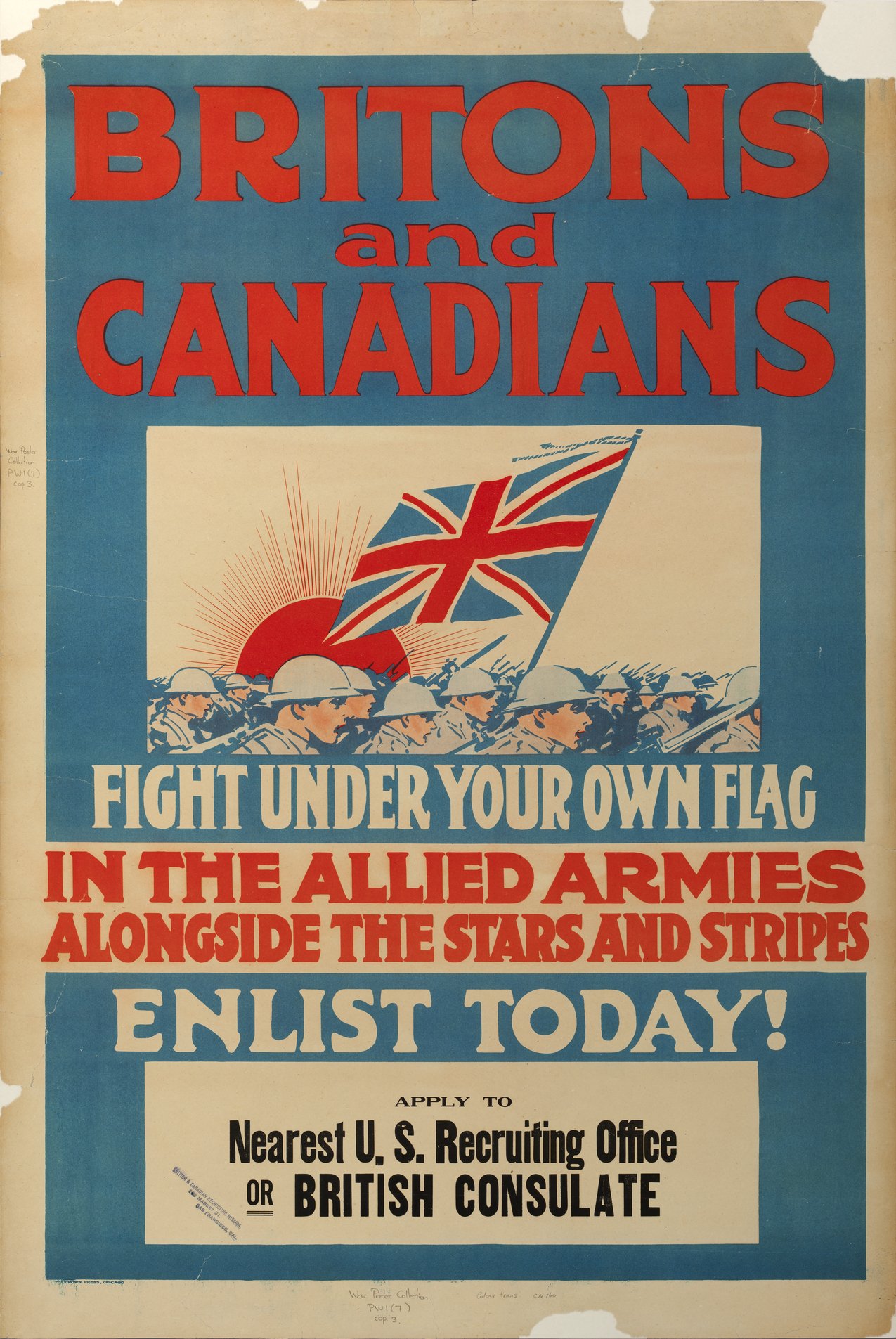
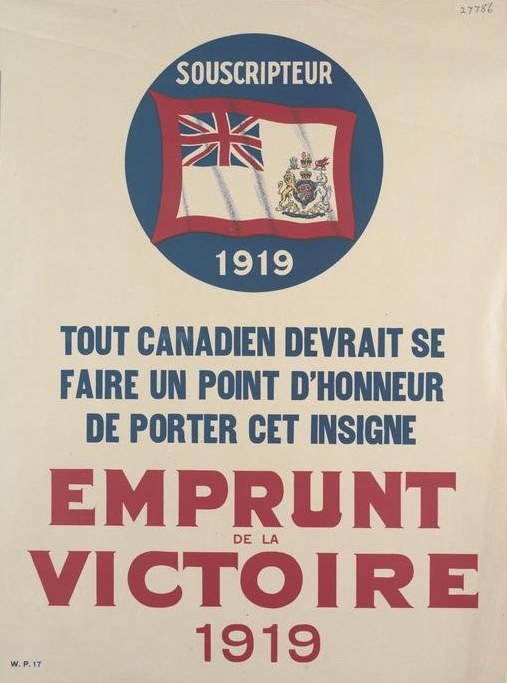
Canadian Red Ensign
about 1870 to 1921
Canada’s unofficial flag through the Border Cities’ growth and the First World War. Official for Canadian ships from 2 February 1892.
Sources: Canadian Encyclopedia; Canadian Heritage
Public domain, via Wikimedia Commons.
Free to use
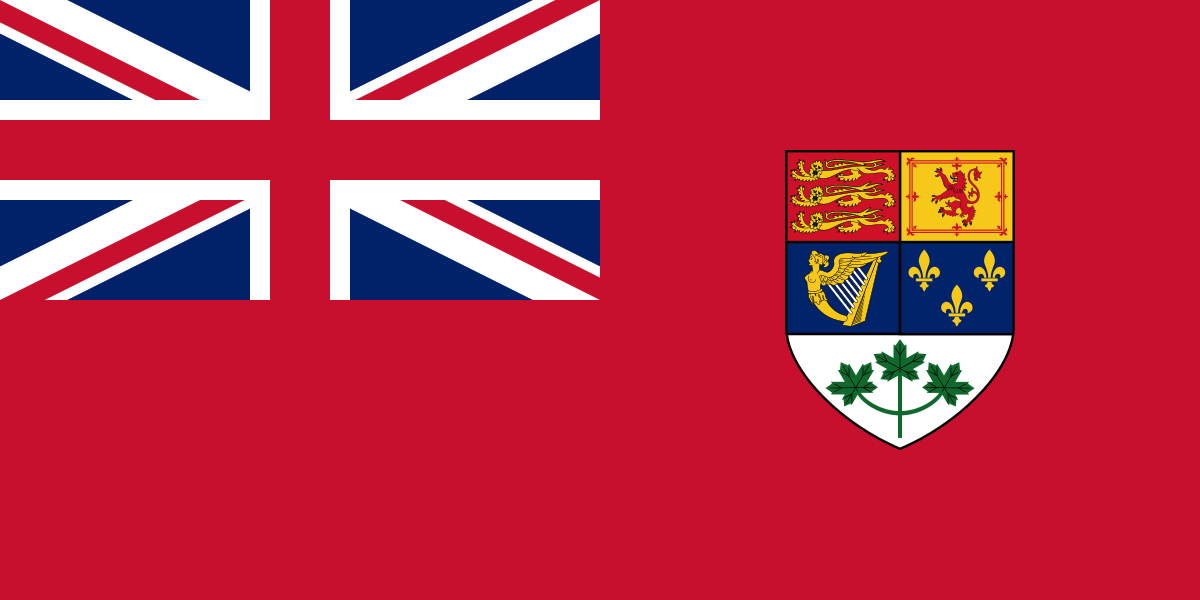
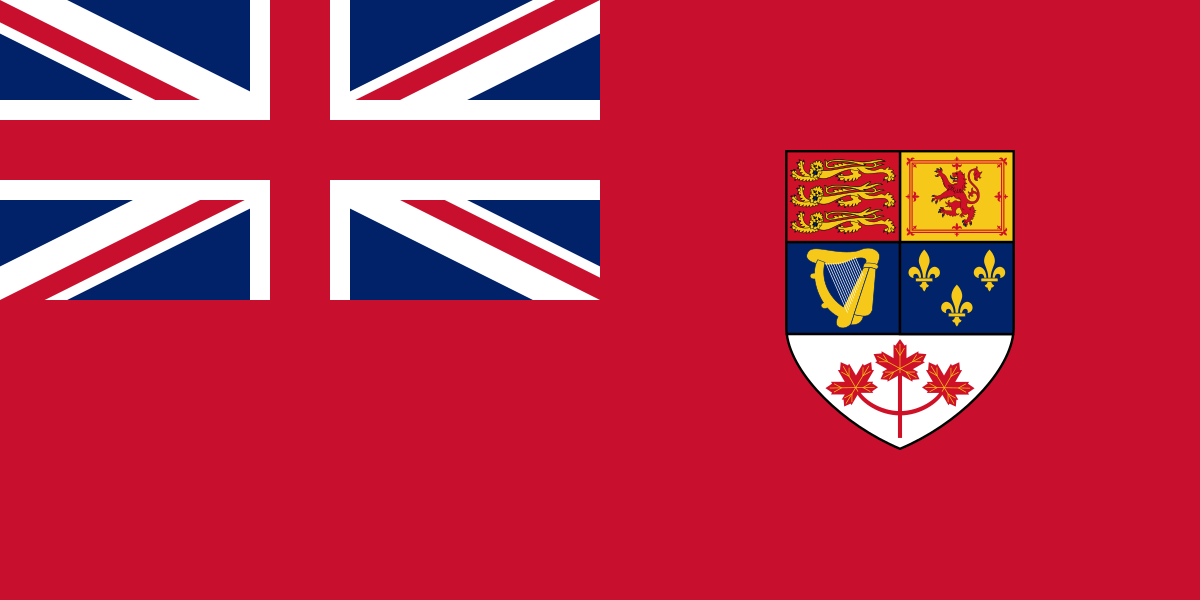
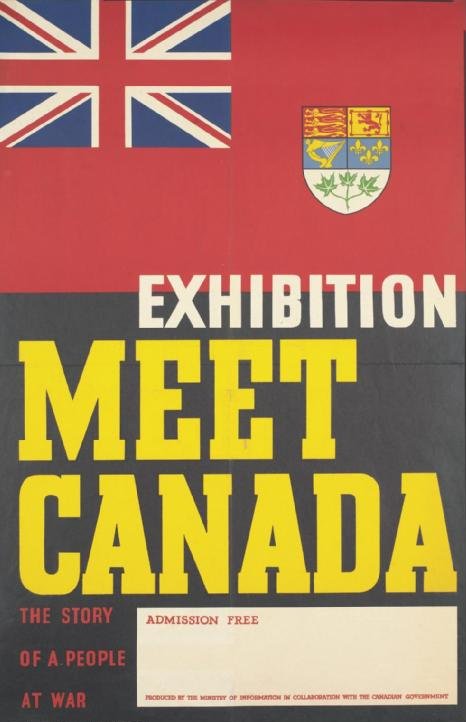
Red Ensign, 1921 shield
1922 to 1957
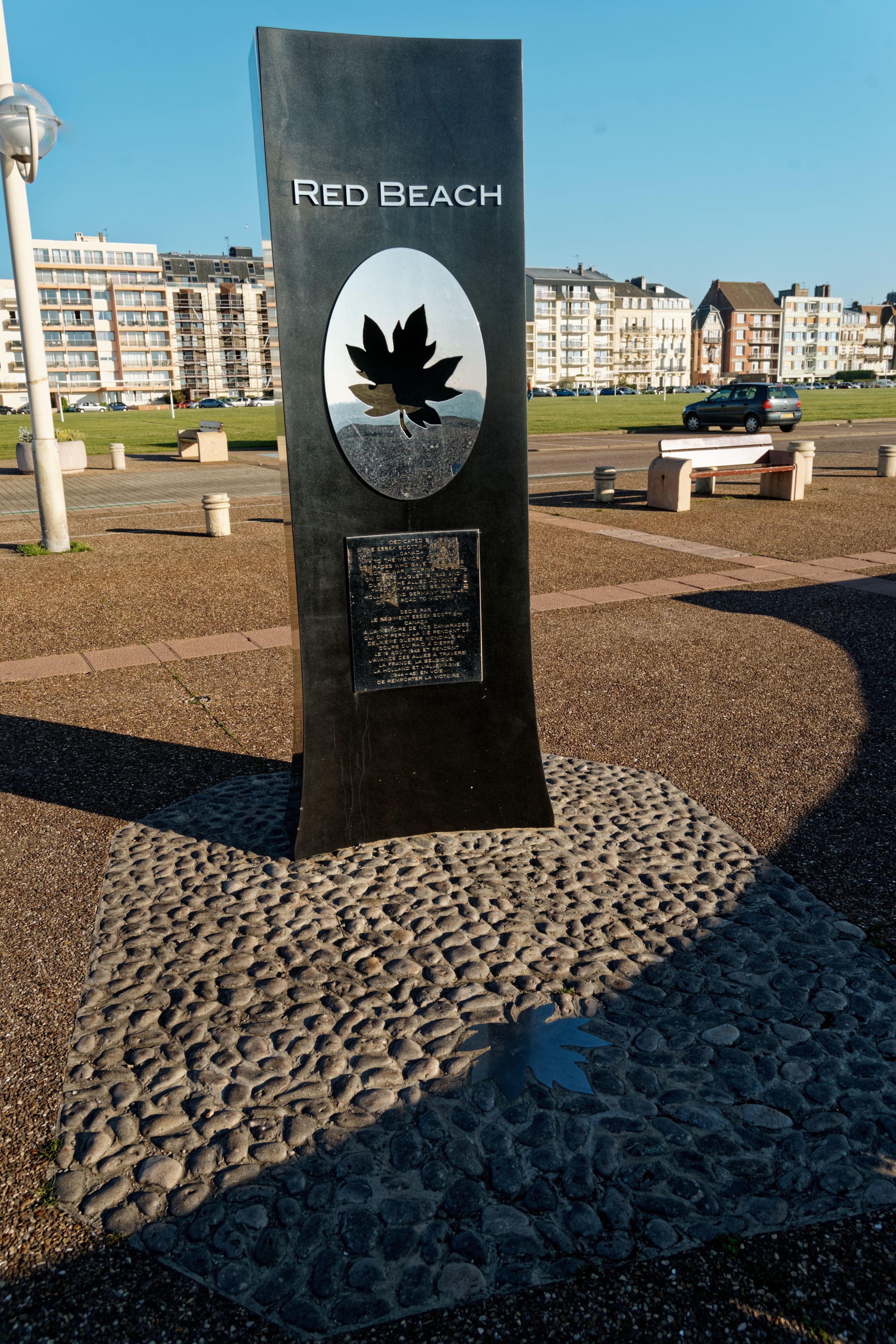
The Canadian flag of the Second World War, when Windsor’s Essex Scottish landed at Dieppe. On federal buildings in Canada from 5 September 1945.
Sources: Canadian Heritage; Canadian Encyclopedia
Public domain, via Wikimedia Commons.
Free to use
Red Ensign, red leaves
1957 to 1965
The maple leaves on the shield turned red on 8 October 1957. The ensign came down for good on 15 February 1965.
Sources: Canadian Heritage timeline
Public domain, via Wikimedia Commons.
Free to use
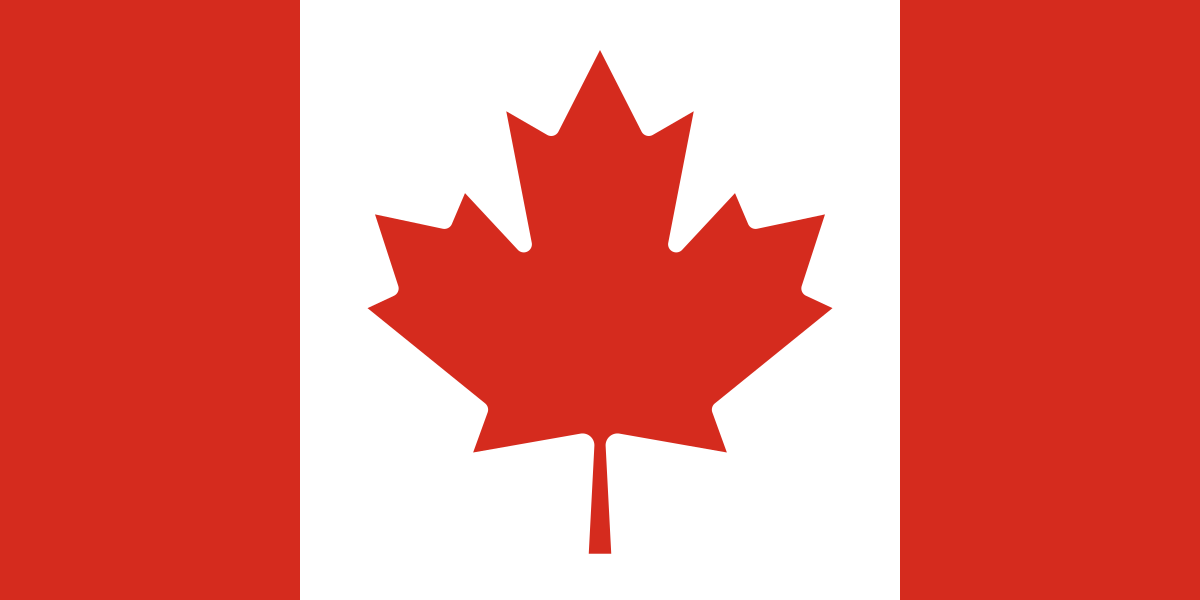
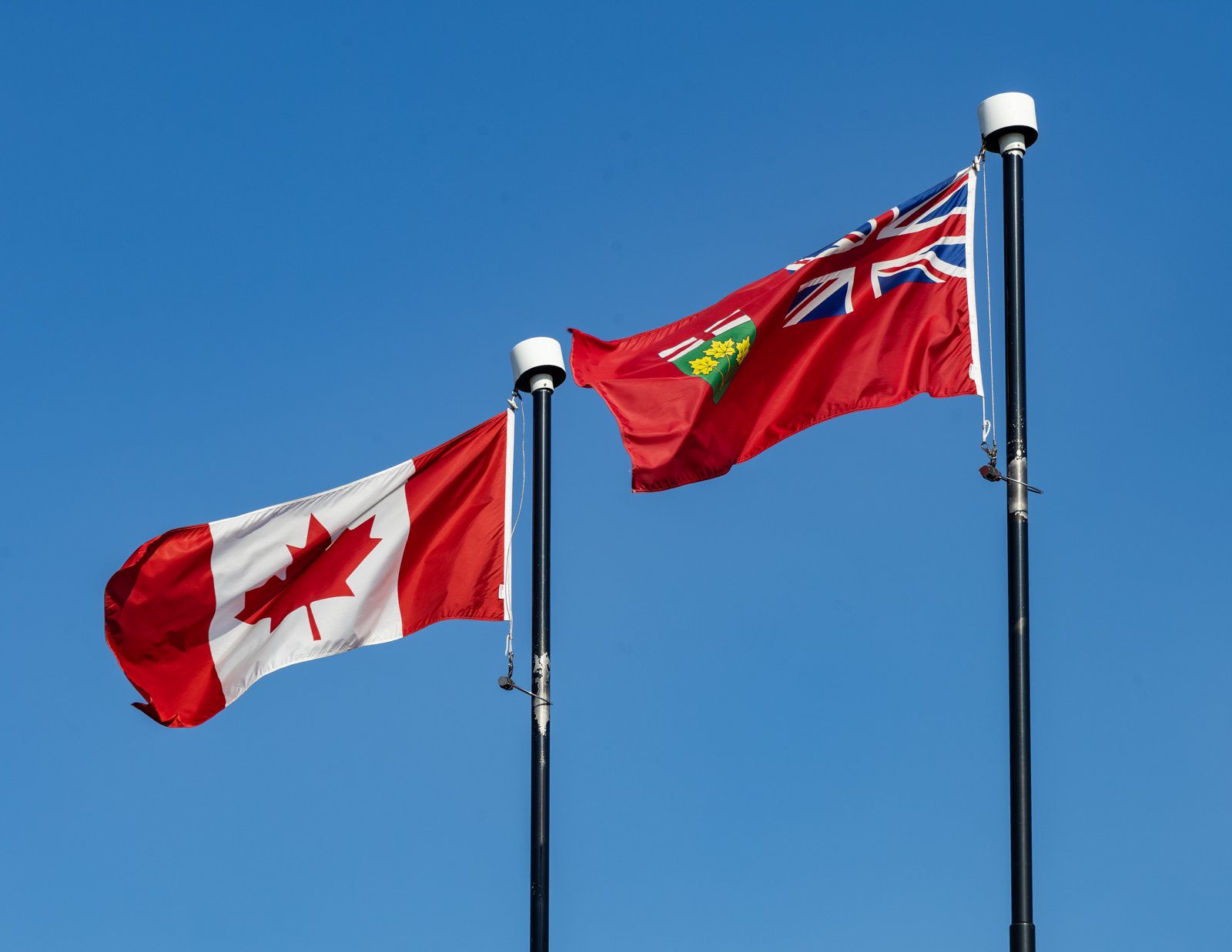
Maple Leaf flag
15 February 1965 to today
Proclaimed by the Queen on 28 January 1965. George Stanley’s idea; the 11 point leaf was drawn by Jacques St-Cyr.
Sources: Canadian Heritage, The history of the National Flag of Canada
Public domain, via Wikimedia Commons.
Free to use
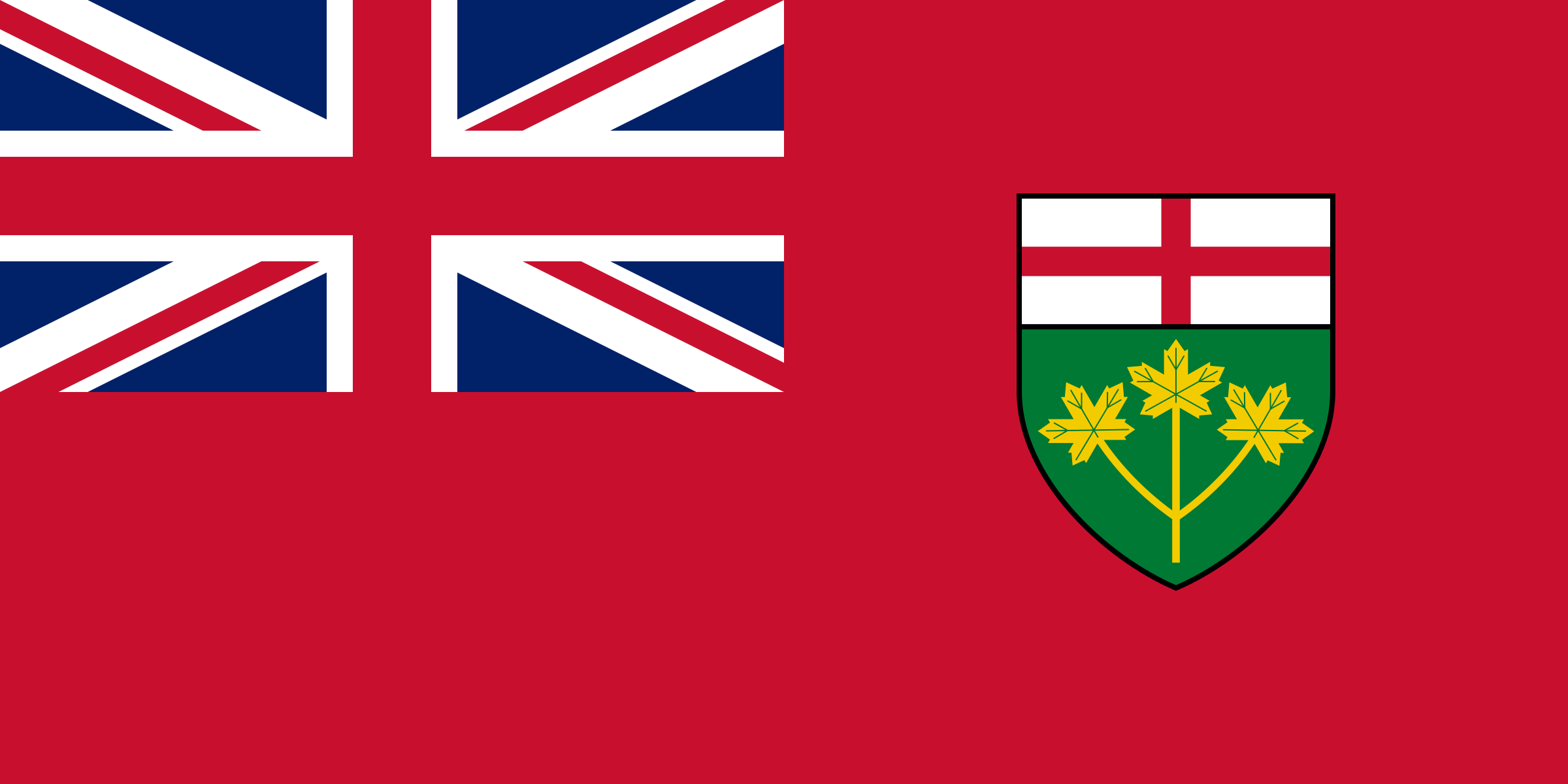
Flag of Ontario
21 May 1965 to today
When Canada changed flags, Ontario kept a Red Ensign. It is a straight line back to the British merchant flag of 1707.
Sources: Ontario Flag Act; Legislative Assembly of Ontario
Public domain, via Wikimedia Commons.

 Donate to Museum Windsor