
Windsor War Chest · Poppy streets
Windsor's poppy streets
In 2005 the City of Windsor added poppy symbols to street signs named after battles Canadians fought in the world wars. The City's list is Ypres, Vimy, Lens, Dieppe, Alsace, Lorraine, Arras, Amiens, St. Julien, Somme and Verdun. This page takes those streets one by one, shows the sign photographs we have, and lists Windsor-Essex people who fought, served or died in the fighting those names point to, as far as verified records will take us.
The names of those who died come first from the Army roll, which uses the Canadian Virtual War Memorial, and are placed under a battle only when the date and the place of burial or commemoration, or a record already used on War Chest, support that placement. Status flags follow the roll: Verified, Enlisted at Windsor, or Held. Men who served and lived are included only where we already have a verified account. This is a starting list, not a complete one.
Street-sign photographs are by Kyle L. Stewart, Windsor News, 12 November 2026, and also appear on Rose City Roots, Street Names.
On this page
Ypres
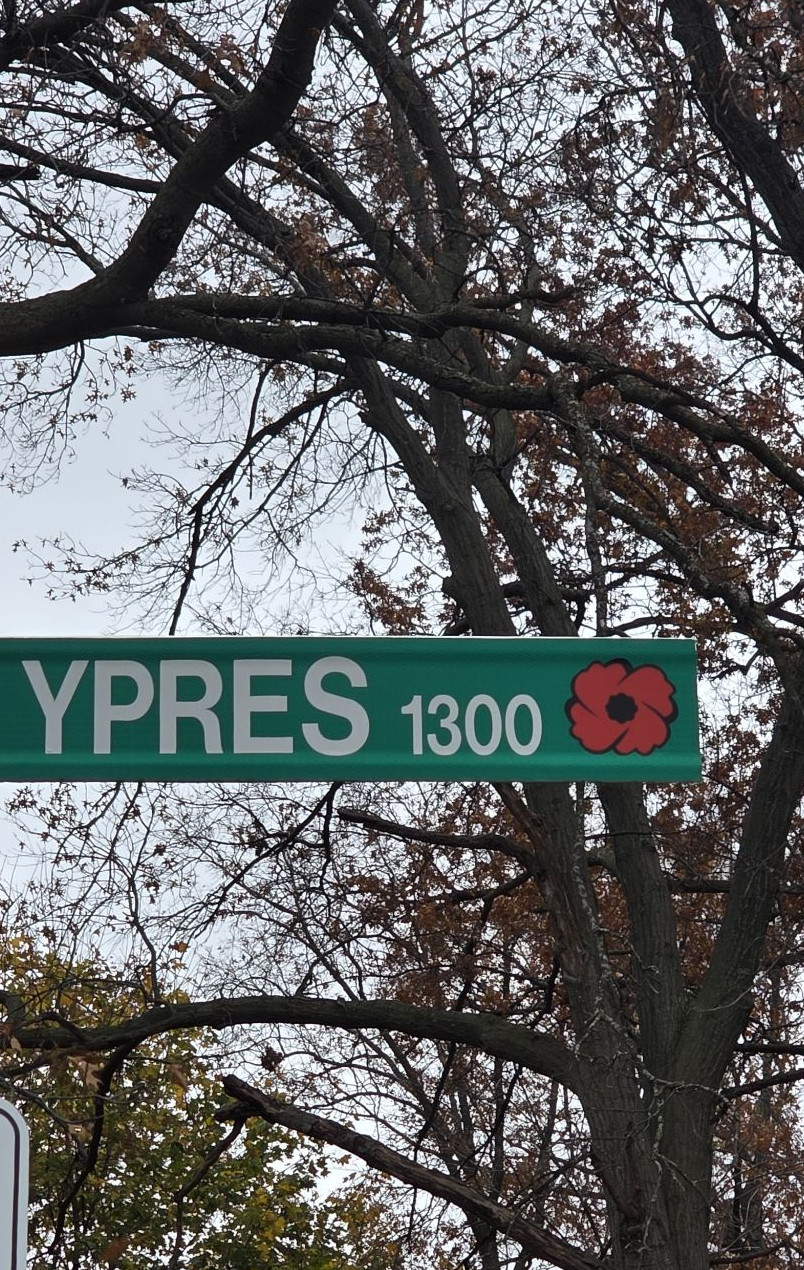
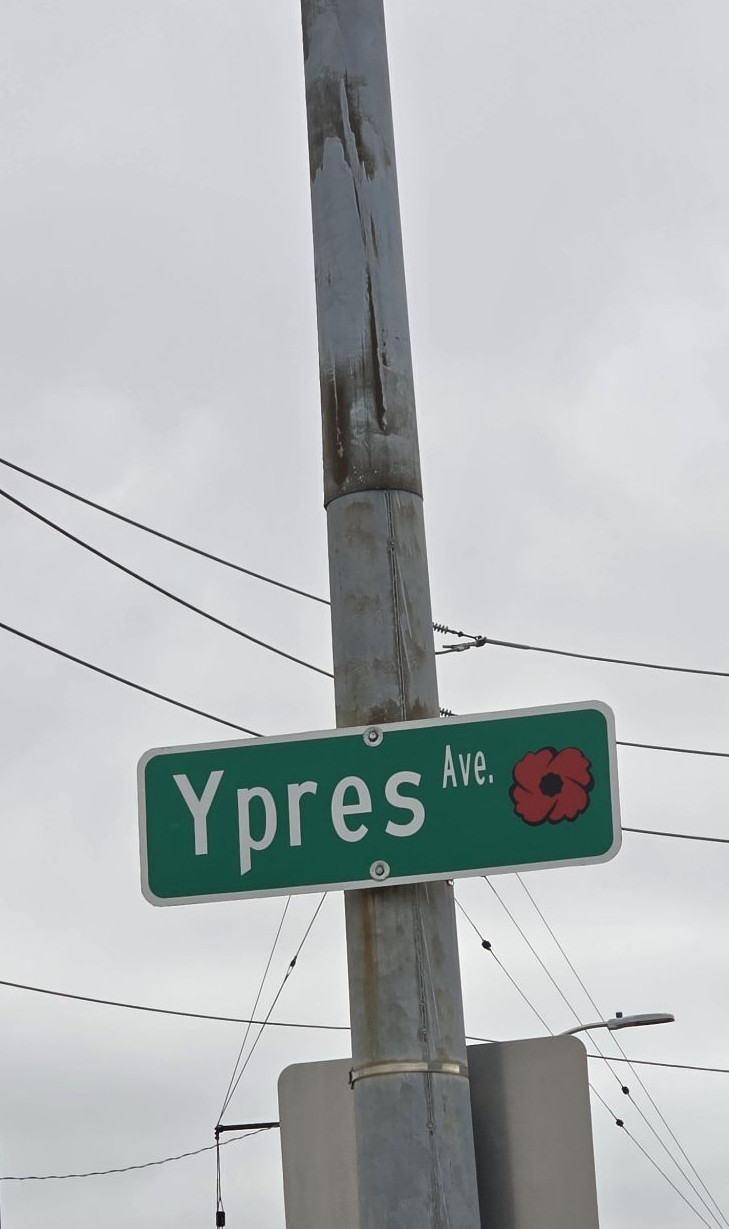
These street-sign photographs also appear on Rose City Roots, Street Names. They are shown here because this page is about those signs and the people tied to the battles. The same files are used, not a second set of shots.
Veterans Affairs Canada dates the Second Battle of Ypres from 22 April to 25 May 1915. It was the Canadian Corps first major action on the Western Front. On 22 April the Germans released chlorine gas against the line in front of Ypres. Canadian troops helped close the gap and held on through the fighting that followed, including the battle at St. Julien, which has its own street and its own section below. In those first 48 hours, more than 2,000 Canadians died, and 6,035 became casualties.1
The street is named Ypres, not only the fighting of April 1915. Canadians also served and died later in the Ypres salient, including at Mount Sorrel in June 1916, and in 1917 at Passchendaele, sometimes called the Third Battle of Ypres. Those later names are listed here in separate subsections, so a death in 1916 or 1917 is not described as a death in the 1915 battle.
The Essex and Kent Scottish First World War honours, from the official lineage, include Mount Sorrel and Passchendaele. The 18th Battalion, raised in this area, had not yet landed in France during the 1915 battle; it landed on 15 September 1915.2
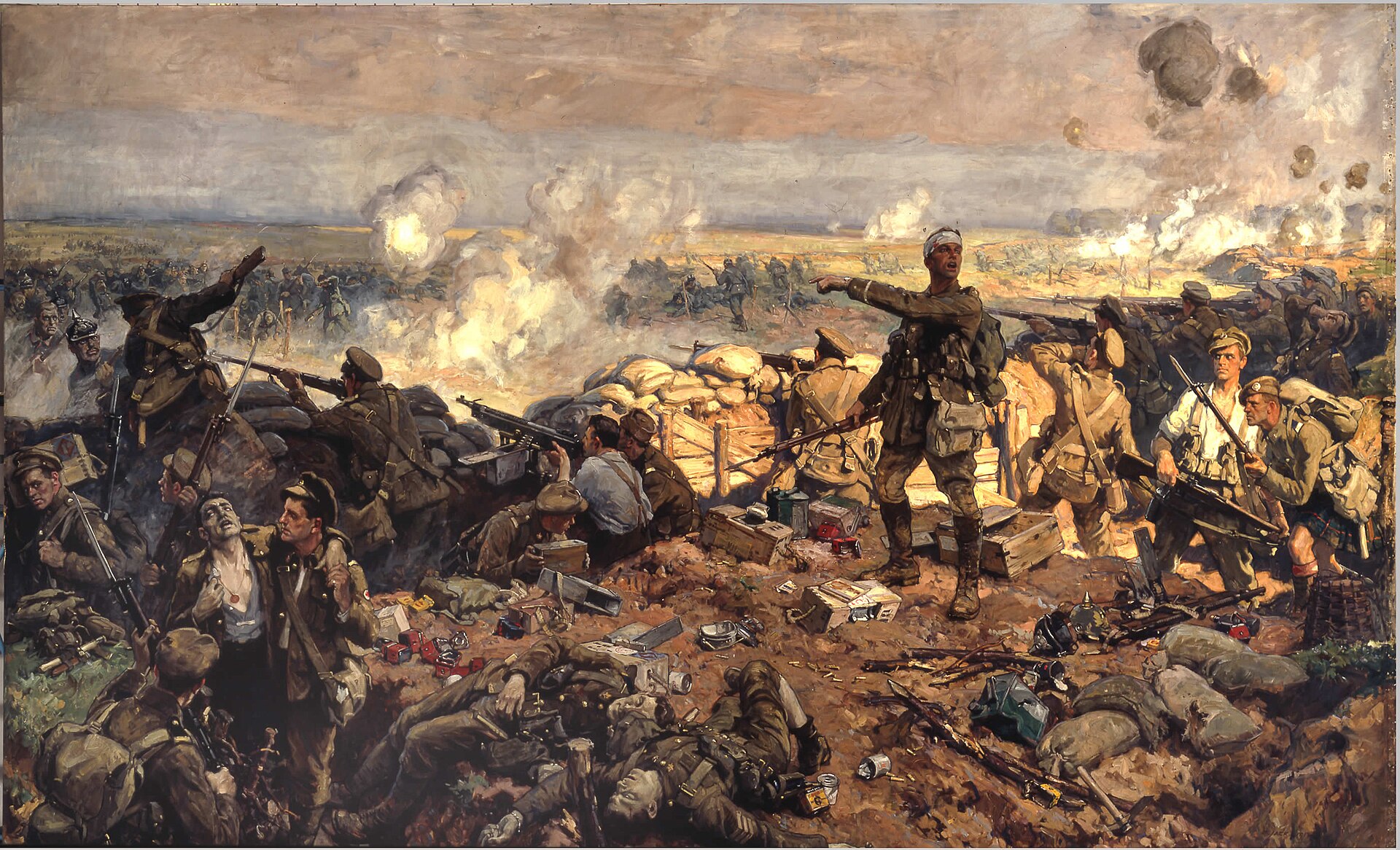

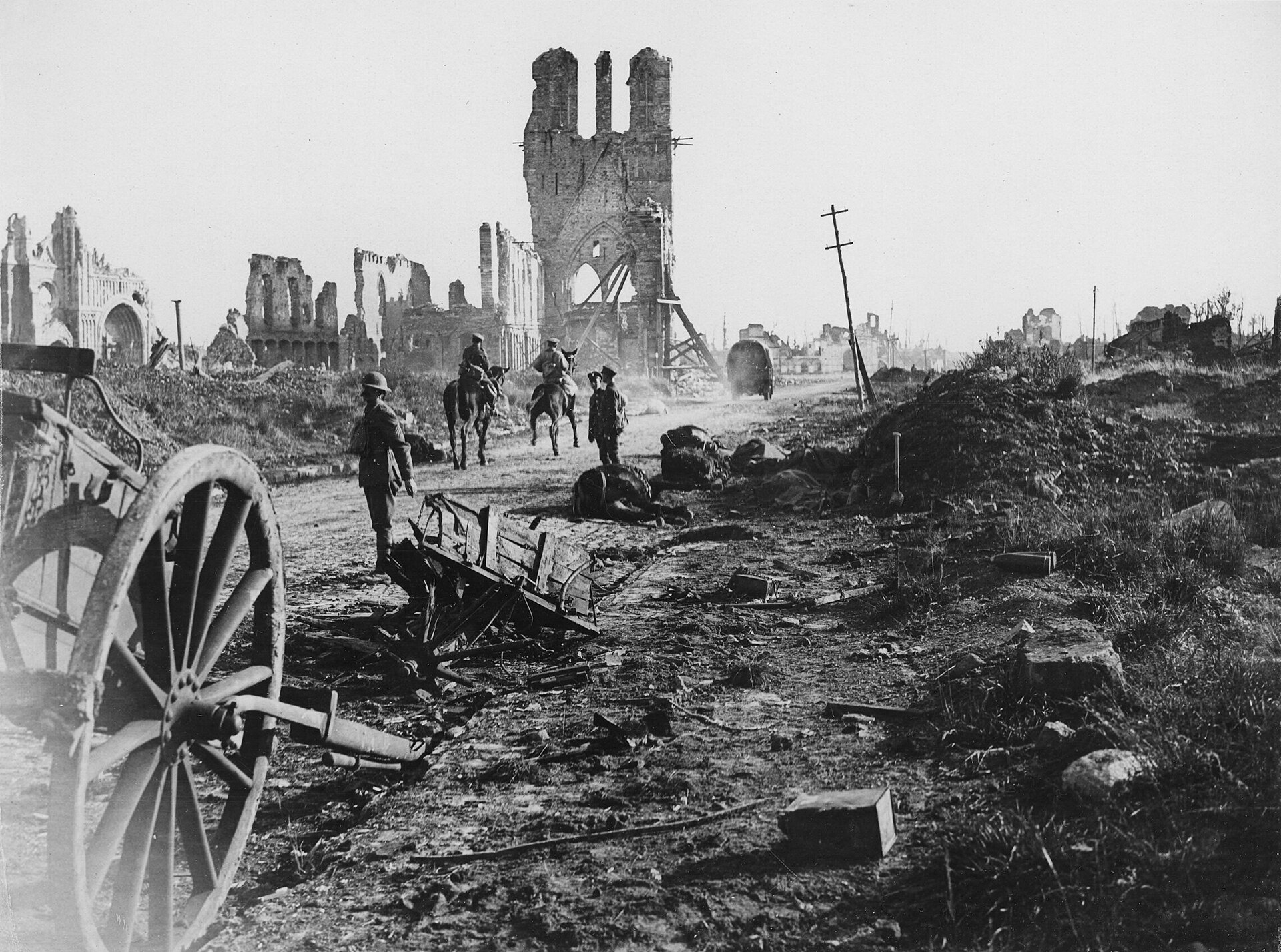

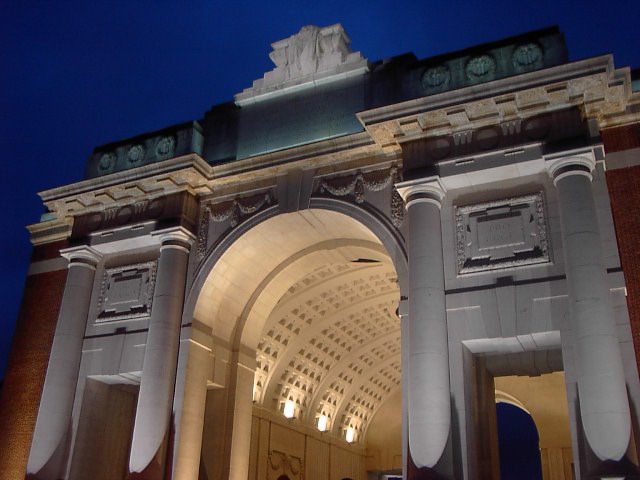

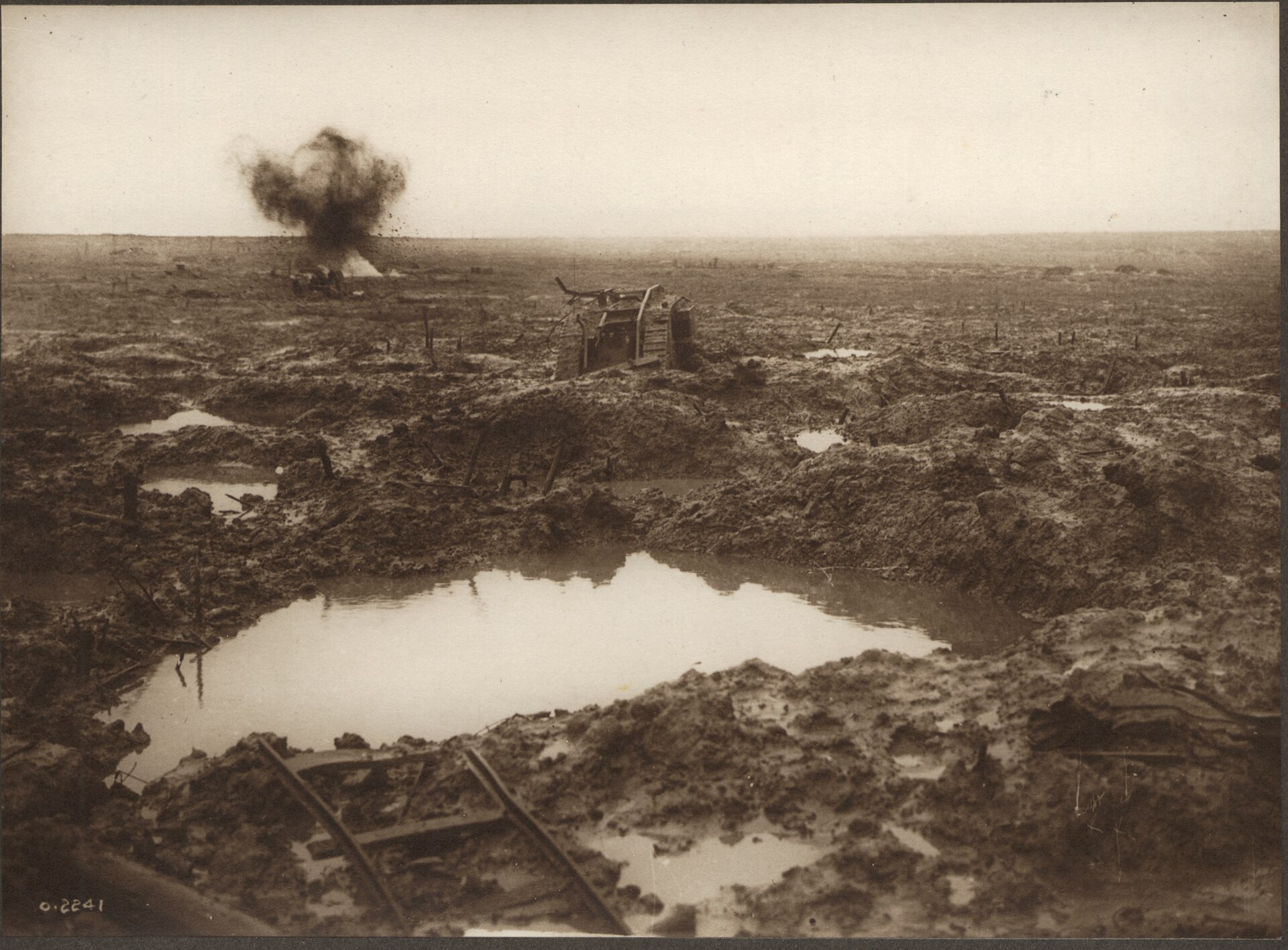

Second Battle of Ypres, 22 April to 25 May 1915
Names below, other than the 1st Battalion group gathered under St. Julien, are men on the Army roll who died in that date window and are buried or commemorated in the Ypres area. John Hatchman, of Windsor, died on 8 May 1915, the day the Battle of Frezenberg began, which Veterans Affairs includes in the Second Battle of Ypres. He is listed here, not as a St. Julien death.
| Name | Unit | Date | Fate and burial or memorial | Local link | Source |
|---|---|---|---|---|---|
| John Hatchman Private No. 273 | Canadian Infantry (Eastern Ontario Regiment) | 8 May 1915 | Died 8 May 1915. Menin Gate (Ypres) Memorial. CVWM names him as the son of Mrs. R. Hatchman and the husband of Lillian M. Hatchman, of 749 London Street West, Windsor. Date of death 8 May 1915, during the later fighting of the Second Battle of Ypres (the Battle of Frezenberg began that day). Named on the Menin Gate. Menin Gate photographs in the CVWM gallery are held pending permission. | Verified Family of Windsor, Ontario | CVWM record |
| Richard Gilpin Crawford Lieutenant | Canadian Infantry (Eastern Ontario Regiment) | 9 May 1915 | Died 9 May 1915. Bailleul Communal Cemetery. | Held Born in Tilbury, Ontario Held Tilbury straddles the Kent-Essex line; not counted as Windsor-Essex until checked. | CVWM record |
Verified means the Canadian Virtual War Memorial record itself names a Windsor-Essex place, which is the Army roll's current rule. Enlisted at Windsor means the record shows enlistment here, and the CVWM record does not name a Windsor-Essex home. Held names stay on the roll with the reason shown; they are not counted as confirmed Windsor-Essex. A date in this battle's window, plus burial or commemoration in that sector, is the basis for listing. This page does not treat every death date as proof of a named action, and it does not claim a complete list of everyone from here who served.
Later in 1915, Ypres salient
One name on the Army roll is buried in the Ypres area later in 1915, outside the April to May battle window. The listing is not treated as a death in the Second Battle of Ypres.
| Name | Unit | Date | Fate and burial or memorial | Local link | Source |
|---|---|---|---|---|---|
| John Grant Anderson Private | Canadian Infantry (Manitoba Regiment) | 13 October 1915 | Died 13 October 1915. Kemmel Chateau Military Cemetery. | Held Family of Windsor Held CVWM gives the place without a province. Towns in Nova Scotia, Quebec and England share these names. | CVWM record |
Verified means the Canadian Virtual War Memorial record itself names a Windsor-Essex place, which is the Army roll's current rule. Enlisted at Windsor means the record shows enlistment here, and the CVWM record does not name a Windsor-Essex home. Held names stay on the roll with the reason shown; they are not counted as confirmed Windsor-Essex. A date in this battle's window, plus burial or commemoration in that sector, is the basis for listing. This page does not treat every death date as proof of a named action, and it does not claim a complete list of everyone from here who served.
The Ypres salient in 1916, including Mount Sorrel
The Battle of Mount Sorrel was fought from 2 to 13 June 1916, in the Ypres salient.3 Names below died in 1916 and are buried or commemorated in the Ypres area. A June date near Mount Sorrel is noted by the cemetery and date only; this page does not assign every June death to that named action without a further record.
| Name | Unit | Date | Fate and burial or memorial | Local link | Source |
|---|---|---|---|---|---|
| Emerald Brittan Broadwell Private | Canadian Infantry (Western Ontario Regiment) | 30 January 1916 | Died 30 January 1916. Menin Gate (Ypres) Memorial. | Verified Born in Kingsville, Ontario | CVWM record |
| Ernest Livingstone Private | Canadian Infantry (Alberta Regiment) | 6 April 1916 | Died 6 April 1916. Menin Road South Military Cemetery. | Verified Born in Pelee, Ontario Family of Leamington, Ontario | CVWM record |
| Reginald Frank Knight Private | Canadian Infantry (Central Ontario Regiment) | 25 April 1916 | Died 25 April 1916. Ridge Wood Military Cemetery. | Verified Family of Walkerville, Ontario | CVWM record |
| James Crocker Private | Canadian Infantry (Western Ontario Regiment) | 26 April 1916 | Died 26 April 1916. Sanctuary Wood Cemetery. | Enlisted at Windsor Enlisted in Windsor, Ontario | CVWM record |
| Cyril Ewart Styles Private | The Royal Canadian Regiment | 2 June 1916 | Died 2 June 1916. Menin Gate (Ypres) Memorial. | Verified Family of Windsor, Ontario | CVWM record |
| George Cooper Private | 4th Canadian Mounted Rifles (2nd Central Ontario Regt.) | 2 June 1916 | Died 2 June 1916. Menin Gate (Ypres) Memorial. | Enlisted at Windsor Enlisted in Windsor, Ontario | CVWM record |
| John Aikin Private | 5th Canadian Mounted Rifles (Quebec Regiment) | 2 June 1916 | Died 2 June 1916. Belgium Menin Gate (Ypres) Memorial. | Enlisted at Windsor Enlisted in Leamington, Ontario | CVWM record |
| Edward Blake Allan Lieutenant | Canadian Infantry (Manitoba Regiment) | 3 June 1916 | Died 3 June 1916. Railway Dugouts Burial Ground. | Verified Family of Windsor, Ontario | CVWM record |
| Thomas Phelps Driver | Canadian Army Service Corps | 4 June 1916 | Died 4 June 1916. Railway Dugouts Burial Ground. | Verified Family of Walkerville, Ontario | CVWM record |
| John Morrison Private | Canadian Infantry, Canadian Expeditionary Force | 6 June 1916 | Died 6 June 1916. Bedford House Cemetery (Enclosure 4). | Enlisted at Windsor Enlisted in Windsor, Ontario | CVWM record |
| John Smith Currie Gunner | Canadian Field Artillery | 10 June 1916 | Died 10 June 1916. Lijssenthoek Military Cemetery. | Enlisted at Windsor Enlisted in Windsor, Ontario | CVWM record |
| Arthur Conklin Private | Canadian Infantry (Central Ontario Regiment) | 13 June 1916 | Died 13 June 1916. Menin Gate (Ypres) Memorial. | Enlisted at Windsor Enlisted in Windsor, Ontario | CVWM record |
| David Cullen Lance Corporal | Canadian Infantry (Western Ontario Regiment) | 13 June 1916 | Died 13 June 1916. Menin Gate (Ypres) Memorial. | Verified Family of Windsor, Ontario | CVWM record |
| Maurice Russell Henderson Lieutenant | Canadian Infantry (Central Ontario Regiment) | 13 June 1916 | Died 13 June 1916. Poperinghe New Military Cemetery. | Verified Family of Windsor, Ontario | CVWM record |
| Terrance Connelly Private | Canadian Infantry (British Columbia Regiment) | 13 June 1916 | Died 13 June 1916. Menin Gate (Ypres) Memorial. | Enlisted at Windsor Enlisted in Windsor, Ontario | CVWM record |
| Wesley Wilson Atfield Private | Canadian Infantry (British Columbia Regiment) | 13 June 1916 | Died 13 June 1916. Tyne Cot Cemetery. | Enlisted at Windsor Enlisted in Windsor, Ontario | CVWM record |
| William Newball Allen Private | Canadian Infantry (Western Ontario Regiment) | 13 June 1916 | Died 13 June 1916. Menin Gate (Ypres) Memorial. | Enlisted at Windsor Enlisted in Windsor, Ontario | CVWM record |
| William Cusson Private | Canadian Infantry (Eastern Ontario Regiment) | 14 June 1916 | Died 14 June 1916. Railway Dugouts Burial Ground. | Enlisted at Windsor Enlisted in Windsor, Ontario | CVWM record |
| John Westgarth Private | Canadian Infantry (Central Ontario Regiment) | 16 June 1916 | Died 16 June 1916. Lijssenthoek Military Cemetery. | Verified Family of Walkerville, Ontario | CVWM record |
| Stanley Tysoe Gardiner Second Lieutenant | Royal Engineers | 27 June 1916 | Died 27 June 1916. Brandhoek Military Cemetery. | Enlisted at Windsor Enlisted in Windsor, Ontario | CVWM record |
| George Gleed Private | Princess Patricia's Canadian Light Infantry (Eastern Ontario Regt.) | 29 June 1916 | Died 29 June 1916. Belgium Menin Road South Military Cemetery. | Verified Family of Windsor, Ontario | CVWM record |
| Richard Coombes Miller Sergeant | Canadian Infantry (Western Ontario Regiment) | 9 July 1916 | Died 9 July 1916. Hooge Crater Cemetery. | Enlisted at Windsor Enlisted in Windsor, Ontario | CVWM record |
| Charles Turner Private | Canadian Infantry (British Columbia Regiment) | 25 July 1916 | Died 25 July 1916. Menin Gate (Ypres) Memorial. | Verified Family of Windsor, Ontario | CVWM record |
| George Ernest White Private | Canadian Infantry (Quebec Regiment) | 3 August 1916 | Died 3 August 1916. Brandhoek Military Cemetery. | Held Family of Windsor Held CVWM gives the place without a province. Towns in Nova Scotia, Quebec and England share these names. | CVWM record |
| Charles Jeremiah Cornwall Private | Canadian Machine Gun Corps | 9 August 1916 | Died 9 August 1916. Ridge Wood Military Cemetery. | Verified Family of Amherstburg, Essex Co., Ontario | CVWM record |
| Patrick James Scully Private | Canadian Infantry (Manitoba Regiment) | 8 September 1916 | Died 8 September 1916. Reninghelst New Military Cemetery. | Verified Family of Windsor, Ontario | CVWM record |
Verified means the Canadian Virtual War Memorial record itself names a Windsor-Essex place, which is the Army roll's current rule. Enlisted at Windsor means the record shows enlistment here, and the CVWM record does not name a Windsor-Essex home. Held names stay on the roll with the reason shown; they are not counted as confirmed Windsor-Essex. A date in this battle's window, plus burial or commemoration in that sector, is the basis for listing. This page does not treat every death date as proof of a named action, and it does not claim a complete list of everyone from here who served.
Passchendaele (Third Ypres), 31 July to 10 November 1917
Veterans Affairs Canada dates the Battle of Passchendaele from 31 July to 10 November 1917. Canadian soldiers entered the later stage of the fighting that autumn and captured the village on 6 November. More than 4,000 Canadians died there, and almost 12,000 were wounded.4 There is no separate poppy street named Passchendaele in the City's 2005 list, so those names are gathered here under Ypres. The list is men on the Army roll who died in that window and are commemorated or buried in the Ypres area.
| Name | Unit | Date | Fate and burial or memorial | Local link | Source |
|---|---|---|---|---|---|
| George Otto Johnson Gunner | Royal Artillery | 6 August 1917 | Died 6 August 1917. Vlamertinghe New Military Cemetery. | Enlisted at Windsor Enlisted in windsor, Ontario | CVWM record |
| George Gordon Laing Private | Canadian Infantry (Central Ontario Regiment) | 26 October 1917 | Died 26 October 1917. Menin Gate (Ypres) Memorial. | Held Family of Essex Held CVWM gives the place without a province. Towns in Nova Scotia, Quebec and England share these names. | CVWM record |
| James Ellis Private | 4th Canadian Mounted Rifles (2nd Central Ontario Regt.) | 26 October 1917 | Died 26 October 1917. Menin Gate (Ypres) Memorial. | Verified Enlisted in Windsor, Ontario Family of Windsor, Ontario | CVWM record |
| Christian Fraser Dick Private | Canadian Infantry (Eastern Ontario Regiment) | 30 October 1917 | Died 30 October 1917. Menin Gate (Ypres) Memorial. | Verified Family of Windsor, Ontario | CVWM record |
| John Monro Banister Private | 2nd Canadian Mounted Rifles (British Columbia Regt.) | 30 October 1917 | Died 30 October 1917. Menin Gate (Ypres) Memorial. | Enlisted at Windsor Enlisted in Windsor, Ontario | CVWM record |
| Norman Wesley Clark Gunner | Canadian Field Artillery | 1 November 1917 | Died 1 November 1917. Bedford House Cemetery (Enclosure 4). | Enlisted at Windsor Enlisted in Amherstburg, Ontario | CVWM record |
| Herman Delbert Firby Private | Canadian Infantry (Eastern Ontario Regiment) | 3 November 1917 | Died 3 November 1917. Menin Gate (Ypres) Memorial. | Enlisted at Windsor Enlisted in Windsor, Ontario | CVWM record |
| Edmond Joseph Robineau Private | Canadian Infantry (Central Ontario Regiment) | 6 November 1917 | Died 6 November 1917. Lijssenthoek Military Cemetery. | Enlisted at Windsor Enlisted in Windsor, Ontario | CVWM record |
| George Raywood Grieves Private | Canadian Infantry (Western Ontario Regiment) | 6 November 1917 | Died 6 November 1917. Menin Gate (Ypres) Memorial. | Enlisted at Windsor Enlisted in Windsor, Ontario | CVWM record |
| Frank Bryant Corporal | Canadian Infantry (Western Ontario Regiment) | 9 November 1917 | Died 9 November 1917. Menin Gate (Ypres) Memorial. | Enlisted at Windsor Enlisted in Windsor, Ontario | CVWM record |
| Frederick Henry Evans Private | Canadian Infantry (British Columbia Regiment) | 10 November 1917 | Died 10 November 1917. Menin Gate (Ypres) Memorial. | Verified Family of Windsor, Ontario | CVWM record |
| Homer Emmett Smith Private | Canadian Infantry (Central Ontario Regiment) | 10 November 1917 | Died 10 November 1917. Menin Gate (Ypres) Memorial. | Enlisted at Windsor Enlisted in Windsor, Ontario | CVWM record |
| William Orin Butler Private | Canadian Light Horse | 10 November 1917 | Died 10 November 1917. Ypres Reservoir Cemetery. | Enlisted at Windsor Enlisted in Amherstburg, Ontario | CVWM record |
Verified means the Canadian Virtual War Memorial record itself names a Windsor-Essex place, which is the Army roll's current rule. Enlisted at Windsor means the record shows enlistment here, and the CVWM record does not name a Windsor-Essex home. Held names stay on the roll with the reason shown; they are not counted as confirmed Windsor-Essex. A date in this battle's window, plus burial or commemoration in that sector, is the basis for listing. This page does not treat every death date as proof of a named action, and it does not claim a complete list of everyone from here who served.
St. Julien
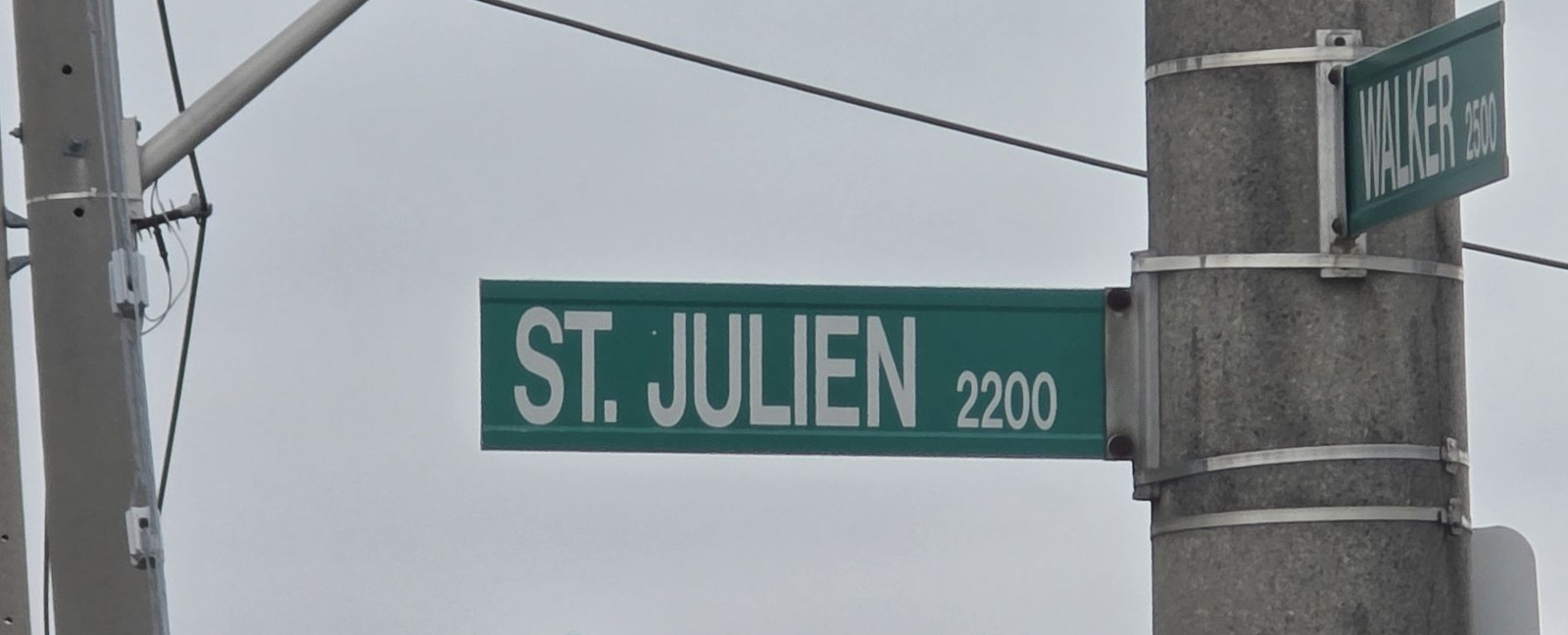
These street-sign photographs also appear on Rose City Roots, Street Names. They are shown here because this page is about those signs and the people tied to the battles. The same files are used, not a second set of shots.
The City's 2005 list includes St. Julien among the streets marked with the poppy. Other St. Julien signs were not photographed on the 12 November 2026 run. This page records what that one blade showed.
St. Julien was part of the Second Battle of Ypres. On the night of 22 April 1915, Canadian troops mounted a counter-attack toward Kitcheners' Wood, near St. Julien. The fierce fighting around St. Julien itself followed, including a gas attack against the Canadian line on 24 April.1
A War Chest chronology section, already live, covers four men of the 1st Battalion, Canadian Infantry (Western Ontario Regiment), with Windsor-Essex ties, who died in April and early May 1915: Private Henry Reginald Glasser, Private Christopher Ritchie Gordon, Corporal Albert Edward Thomas and Private Arthur George Buchanan. Their full biographies, and the limits of what the records show, remain on that page. Photographs of them are still held pending permission, and they are not published here.5
This page extends that 1st Battalion group. Canadian Virtual War Memorial records also name three more 1st Battalion men who enlisted at Windsor and died in the same battle window: Private Edwin John Davis (22 April), Private David Anderson (23 April) and Private Oliver Aloysius Duffy (27 April). They are not on the Army roll as Verified, because their CVWM records do not name a Windsor-Essex home. They are listed here as enlisted at Windsor, not as Verified under the roll's current rule. The earlier chronology wording that four 1st Battalion men with Windsor-Essex ties died in that fighting is true of the four already profiled; it is not a complete count of 1st Battalion men who had enlisted at Windsor.
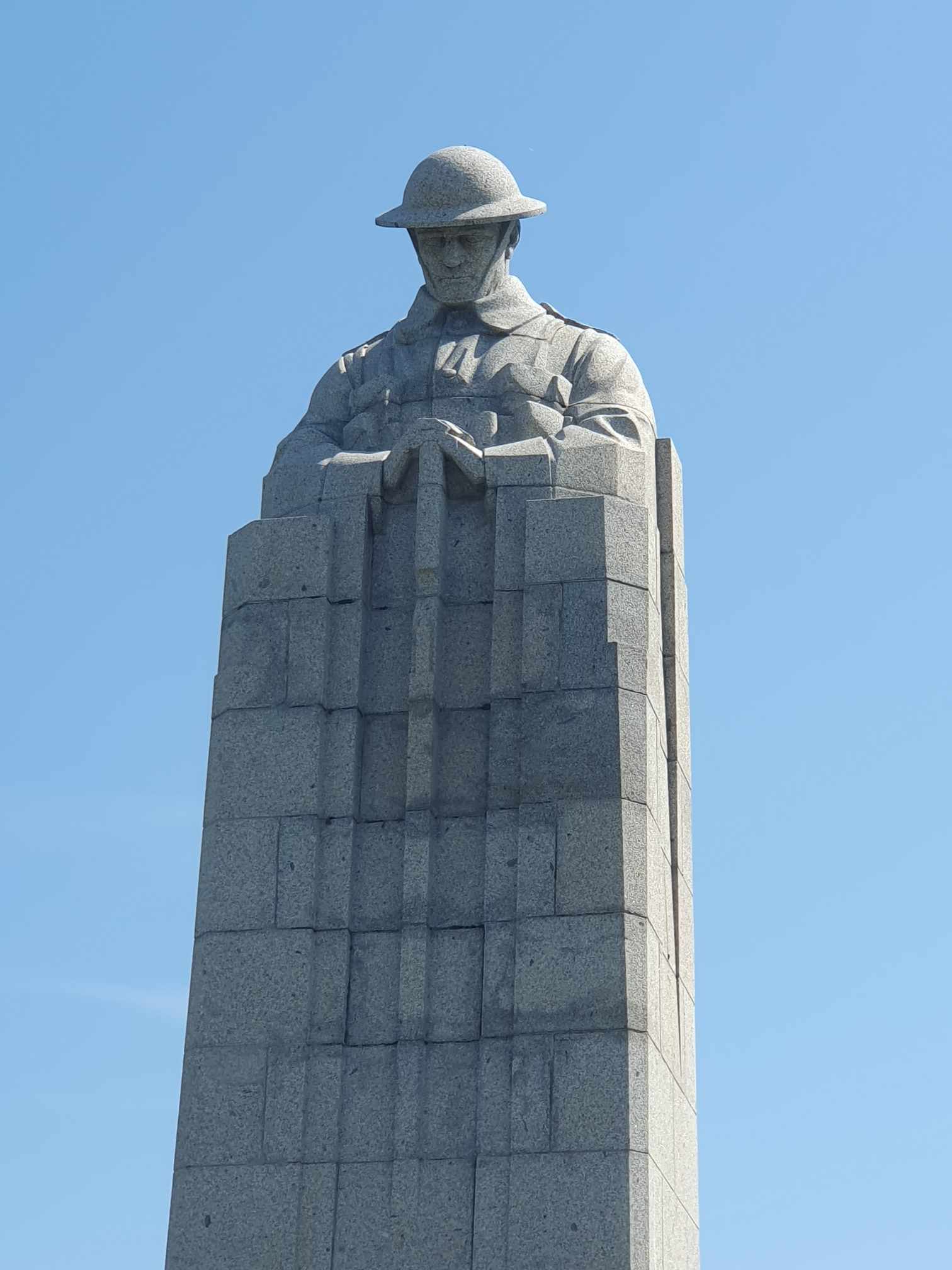

Pictures held
A period portrait of Private Henry Reginald Glasser is in the CVWM gallery, printed with the credit Photo courtesy of the 1st Hussars Museum. Permission has not been asked, so it is not used. Grave and Menin Gate photographs in those galleries are credited to Keith Boswell, Marg Liessens or, for Duffy, Wilf Schofield, or have no named photographer. Those are also held. Newspaper clippings from the London Advertiser and the London Free Press are not used.
| Name | Unit | Date | Fate and burial or memorial | Local link | Source |
|---|---|---|---|---|---|
| Edwin John Davis Private No. 6320 | 1st Battalion, Canadian Infantry (Western Ontario Regiment) | 22 April 1915 | Died 22 April 1915. Menin Gate (Ypres) Memorial. CVWM gives division as 1st Battalion, enlistment at Windsor, date of death 22 April 1915, Menin Gate panels 10, 26 and 28. | Enlisted at Windsor Enlisted in Windsor, Ontario | CVWM record |
| Albert Edward Thomas Corporal | Canadian Infantry (Western Ontario Regiment) | 23 April 1915 | Died 23 April 1915. Menin Gate (Ypres) Memorial. | Verified Family of Amherstburg, Ontario | CVWM record |
| Christopher Ritchie Gordon Private No. 6338 | 1st Battalion, Canadian Infantry (Western Ontario Regiment) | 23 April 1915 | Died 23 April 1915. Menin Gate (Ypres) Memorial. Already in the live War Chest chronology section. No portrait that can be used here was found. Menin Gate photographs in the CVWM gallery are held pending permission. Service number 6338. | See local link Next of kin on the 1st Battalion roll: Jack Gordon, 95 Albert Street, Windsor. | See the Army roll and the sources below. |
| David Anderson Private No. 6293 | 1st Battalion, Canadian Infantry (Western Ontario Regiment) | 23 April 1915 | Died 23 April 1915. Menin Gate (Ypres) Memorial. CVWM gives division as 1st Battalion, enlistment at Windsor, date of death 23 April 1915, Menin Gate panels 10, 26 and 28. | Enlisted at Windsor Enlisted in Windsor, Ontario | CVWM record |
| Henry Reginald Glasser Private No. 6340 | 1st Battalion, Canadian Infantry (Western Ontario Regiment) | 23 April 1915 | Died 23 April 1915. Poperinghe Old Military Cemetery. Died of wounds on 23 April 1915 at No. 3 Casualty Clearing Station. Already in the live War Chest chronology section. A period portrait exists, credited to the 1st Hussars Museum, and is held pending permission. Service number 6340. | See local link Next of kin, 4 Marion Avenue, Windsor. Born Chatham. Formerly a sergeant in the 21st Essex Fusiliers. | See the Army roll and the sources below. |
| Oliver Aloysius Duffy Private No. 6322 | 1st Battalion, Canadian Infantry (Western Ontario Regiment) | 27 April 1915 | Died 27 April 1915. Vlamertinghe Military Cemetery. CVWM gives division as 1st Battalion, enlistment at Windsor, date of death 27 April 1915, burial at Vlamertinghe Military Cemetery, grave I. F. 5, and names him as the son of Robert and Ellen Duffy, of Parkhead, Glasgow. A grave photograph in the CVWM gallery is credited to Wilf Schofield and is held pending permission. | Enlisted at Windsor Enlisted in Windsor, Ontario | CVWM record |
| Arthur George Buchanan Private | Canadian Infantry (Western Ontario Regiment) | 2 May 1915 | Died 2 May 1915. Boulogne Eastern Cemetery. | Verified Family of Walkerville, Ontario Family of Windsor, Ontario | CVWM record |
Verified means the Canadian Virtual War Memorial record itself names a Windsor-Essex place, which is the Army roll's current rule. Enlisted at Windsor means the record shows enlistment here, and the CVWM record does not name a Windsor-Essex home. Held names stay on the roll with the reason shown; they are not counted as confirmed Windsor-Essex. A date in this battle's window, plus burial or commemoration in that sector, is the basis for listing. This page does not treat every death date as proof of a named action, and it does not claim a complete list of everyone from here who served.
See also the live section, The 1st Battalion at St. Julien, April 1915, and the Ypres section for other men in the wider 1915 battle.
Somme
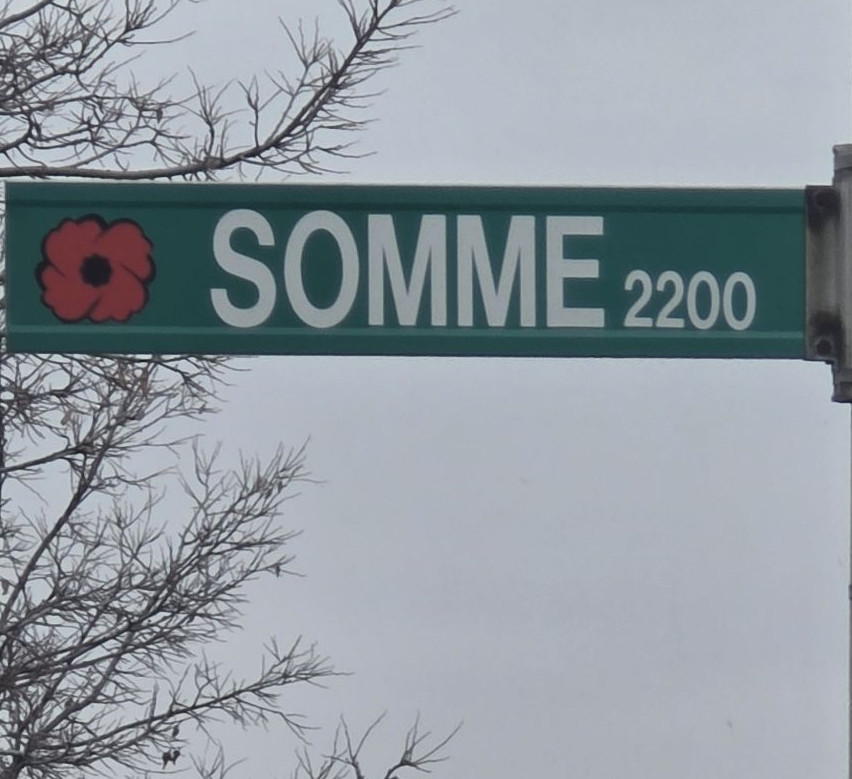
These street-sign photographs also appear on Rose City Roots, Street Names. They are shown here because this page is about those signs and the people tied to the battles. The same files are used, not a second set of shots.
Veterans Affairs Canada dates the Battle of the Somme from 1 July to 18 November 1916. Canadian troops faced months of hard fighting there in the late summer and fall, including the attack on Courcelette in mid-September.6 Flers-Courcelette is one of the Essex and Kent Scottish First World War honours, through the 18th Battalion's lineage.2
The roll below lists men on the Army roll who died in that date window and are buried or commemorated in the Somme sector, including those named on the Vimy Memorial whose dates fall in this window and whose burials are not in the Ypres area. A death date alone, at a cemetery far from the Somme, is not treated as a Somme death.
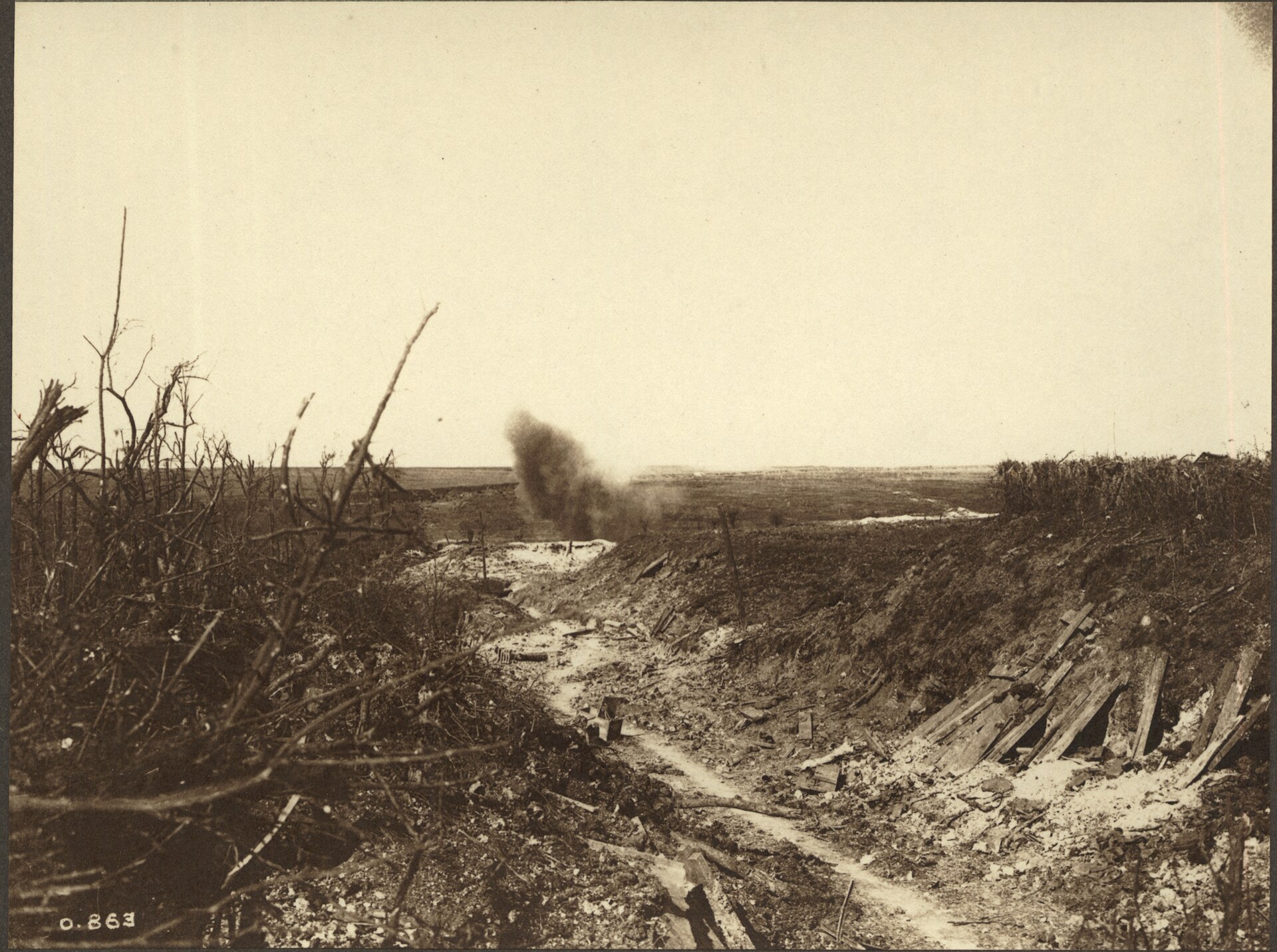

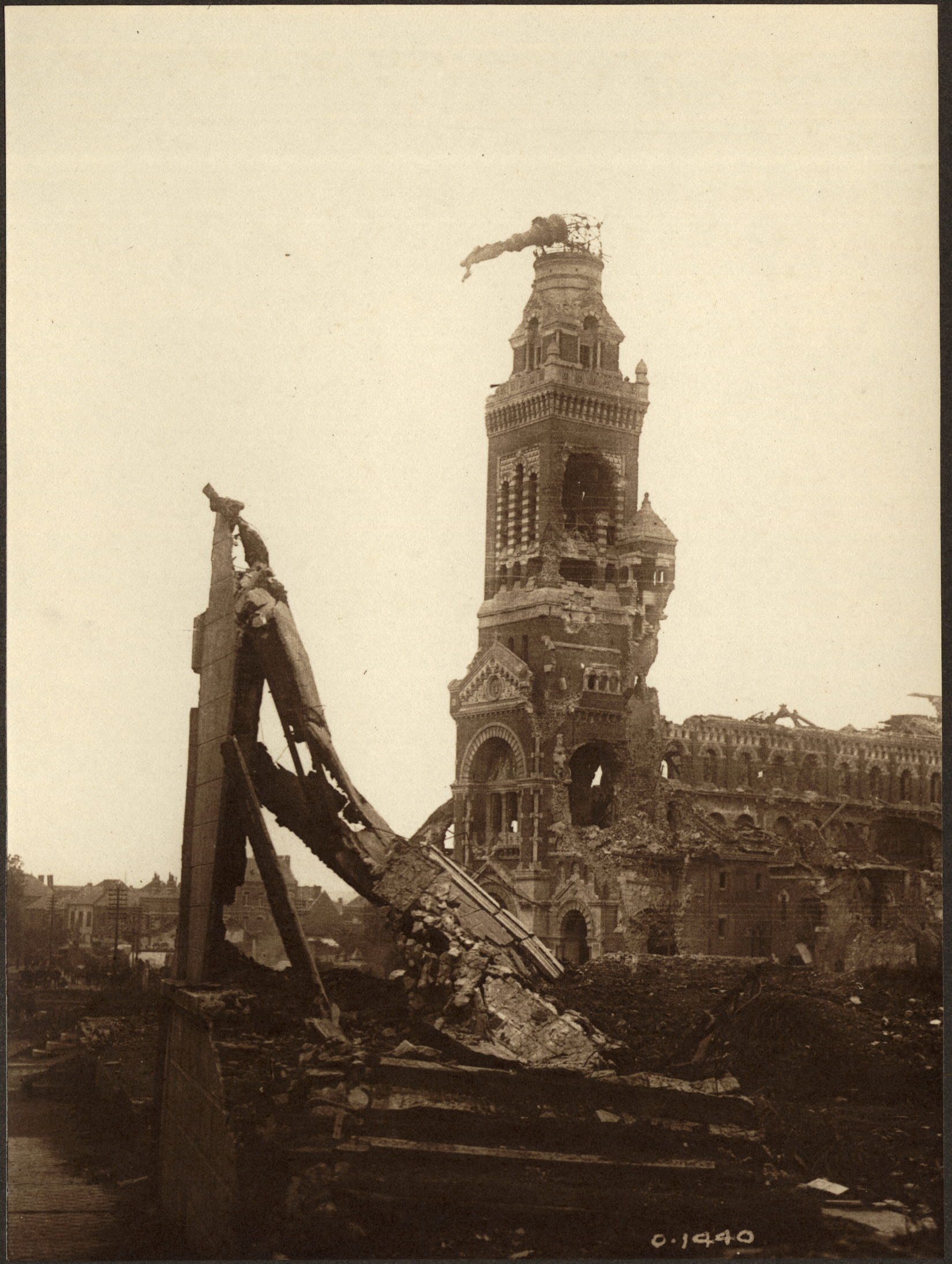

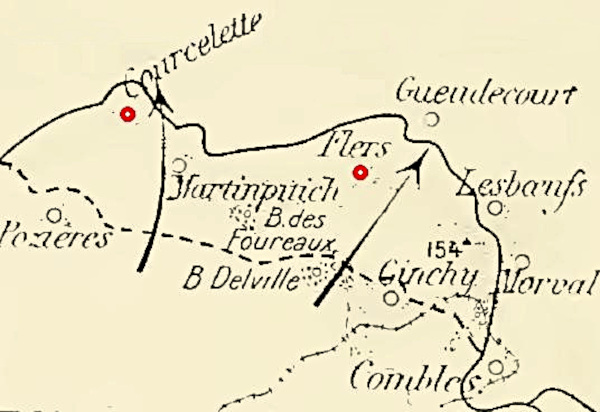

War art of Courcelette, and a photograph of Canadian wounded at Flers-Courcelette, are already on the Army page and are not repeated here.
| Name | Unit | Date | Fate and burial or memorial | Local link | Source |
|---|---|---|---|---|---|
| Thomas Hardie Private | Canadian Infantry (Eastern Ontario Regiment) | 1 September 1916 | Died 1 September 1916. 2nd Canadian Cemetery, Sunken Road, Contalmaison. The Army roll lists this burial as 2Nd Canadian Cemetery. That is treated here as the 2nd Canadian Cemetery, Sunken Road, Contalmaison, on the Somme. | Verified Enlisted in Windsor, Ontario Family of Windsor, Ontario | CVWM record |
| Paul Brawkey Private | Canadian Infantry (Western Ontario Regiment) | 3 September 1916 | Died 3 September 1916. Sunken Road Cemetery, Contalmaison. | Enlisted at Windsor Enlisted in Windsor, Ontario | CVWM record |
| Timothy Carroll Sergeant | Canadian Infantry (Eastern Ontario Regiment) | 3 September 1916 | Died 3 September 1916. 2nd Canadian Cemetery, Sunken Road, Contalmaison. The Army roll lists this burial as 2Nd Canadian Cemetery. That is treated here as the 2nd Canadian Cemetery, Sunken Road, Contalmaison, on the Somme. | Held Family of Comber Held CVWM gives the place without a province. Towns in Nova Scotia, Quebec and England share these names. | CVWM record |
| James Burnie Private | Canadian Infantry (Quebec Regiment) | 7 September 1916 | Died 7 September 1916. Courcelette British Cemetery. | Verified Family of Windsor, Ontario | CVWM record |
| Ernest Bucklee Private | Canadian Infantry (British Columbia Regiment) | 8 September 1916 | Died 8 September 1916. Serre Road Cemetery No. 2. | Enlisted at Windsor Enlisted in Windsor, Ontario | CVWM record |
| Frank Buck Private | Canadian Infantry (British Columbia Regiment) | 8 September 1916 | Died 8 September 1916. Vimy Memorial. | Enlisted at Windsor Enlisted in Windsor, Ontario | CVWM record |
| Arthur Killingback Private | Canadian Infantry (Central Ontario Regiment) | 14 September 1916 | Died 14 September 1916. Serre Road Cemetery No. 2. | Verified Family of Windsor, Ontario | CVWM record |
| Audley Maxwell Bell Private | Canadian Infantry (Central Ontario Regiment) | 14 September 1916 | Died 14 September 1916. Vimy Memorial. | Enlisted at Windsor Enlisted in Leamington, Ontario | CVWM record |
| Abner Bridgstock Private | Canadian Infantry (Central Ontario Regiment) | 15 September 1916 | Died 15 September 1916. Vimy Memorial. | Enlisted at Windsor Enlisted in Leamington, Ontario | CVWM record |
| Andrew Robertson Private | Canadian Infantry (Central Ontario Regiment) | 15 September 1916 | Died 15 September 1916. Vimy Memorial. | Verified Family of Windsor, Ontario | CVWM record |
| Arthur Jefferies Private | Canadian Infantry (Western Ontario Regiment) | 15 September 1916 | Died 15 September 1916. Vimy Memorial. | Verified Family of Windsor, Ontario | CVWM record |
| Bernard John Bates Lieutenant | Canadian Infantry (Western Ontario Regiment) | 15 September 1916 | Died 15 September 1916. Adanac Military Cemetery. | Verified Enlisted in Essex, Ontario Family of Windsor, Ontario | CVWM record |
| Elmer England Private | Canadian Infantry (Central Ontario Regiment) | 15 September 1916 | Died 15 September 1916. Vimy Memorial. | Verified Family of Leamington, Ontario | CVWM record |
| Frederick John Crofts Private | Canadian Infantry (Eastern Ontario Regiment) | 15 September 1916 | Died 15 September 1916. Vimy Memorial. | Enlisted at Windsor Enlisted in Windsor, Ontario | CVWM record |
| Herbert Beck Private | Canadian Infantry (Central Ontario Regiment) | 15 September 1916 | Died 15 September 1916. Serre Road Cemetery No. 2. | Verified Enlisted in Windsor, Ontario Family of Windsor, Ontario | CVWM record |
| James Symington Wear Captain | Canadian Infantry (Central Ontario Regiment) | 15 September 1916 | Died 15 September 1916. Vimy Memorial. | Verified Family of Windsor, Ontario | CVWM record |
| Joseph Cunningham Private | Canadian Infantry (Western Ontario Regiment) | 15 September 1916 | Died 15 September 1916. Vimy Memorial. | Enlisted at Windsor Enlisted in Windsor, Ontario | CVWM record |
| Thomas Walton Beattie Private | Canadian Infantry (Central Ontario Regiment) | 15 September 1916 | Died 15 September 1916. Vimy Memorial. | Enlisted at Windsor Enlisted in Leamington, Ontario | CVWM record |
| Andrew Robertson Private | Canadian Infantry (Central Ontario Regiment) | 16 September 1916 | Died 16 September 1916. Vimy Memorial. | Enlisted at Windsor Enlisted in Windsor, Ontario | CVWM record |
| Charles Edward Gleed Private | The Royal Canadian Regiment | 16 September 1916 | Died 16 September 1916. Serre Road Cemetery No. 2. | Verified Family of Windsor, Ontario | CVWM record |
| Lewis Melvin Finch Private | Canadian Army Medical Corps | 16 September 1916 | Died 16 September 1916. Albert, France Albert Communal Cemetery Extension. | Held Family of Rochester Held CVWM gives the place without a province. Towns in Nova Scotia, Quebec and England share these names. | CVWM record |
| Frederick Samuel Austin Connell Private | Canadian Infantry (Central Ontario Regiment) | 17 September 1916 | Died 17 September 1916. Vimy Memorial. | Verified Family of Windsor, Ontario | CVWM record |
| William Dickson Gunner | Canadian Field Artillery | 17 September 1916 | Died 17 September 1916. Pozieres British Cemetery. | Held Family of Comber Held CVWM gives the place without a province. Towns in Nova Scotia, Quebec and England share these names. | CVWM record |
| Robert Bruce Private | Canadian Infantry (Quebec Regiment) | 18 September 1916 | Died 18 September 1916. Vimy Memorial. | Enlisted at Windsor Enlisted in Windsor, Ontario | CVWM record |
| Colley Lyons Foster Ambery Captain | Canadian Infantry (Central Ontario Regiment) | 20 September 1916 | Died 20 September 1916. Sunken Road Cemetery, Contalmaison. | Verified Born in Walkerville, Ontario Enlisted in Windsor, Ontario Family of Windsor, Ontario | CVWM record |
| Frederick Ernest Aytoun Major | Canadian Infantry (Western Ontario Regiment) | 22 September 1916 | Died 22 September 1916. Albert Communal Cemetery Extension. | Enlisted at Windsor Enlisted in Windsor, Ontario | CVWM record |
| Hugh Thomas Nicholl Private | Canadian Infantry (Western Ontario Regiment) | 22 September 1916 | Died 22 September 1916. Vimy Memorial. | Verified Family of Sandwich, Ontario | CVWM record |
| William Prax Private | Canadian Infantry (Western Ontario Regiment) | 23 September 1916 | Died 23 September 1916. Adanac Military Cemetery. | Verified Family of Windsor, Ontario | CVWM record |
| Arthur Ernest Bernard Morton Lieutenant | Canadian Infantry (Central Ontario Regiment) | 24 September 1916 | Died 24 September 1916. Sunken Road Cemetery, Contalmaison. | Verified Enlisted in Windsor, Ontario Family of Windsor, Ontario | CVWM record |
| James Arthur Ormerod Private | Canadian Infantry (Central Ontario Regiment) | 24 September 1916 | Died 24 September 1916. Vimy Memorial. | Held Family of Riverside Held CVWM gives the place without a province. Towns in Nova Scotia, Quebec and England share these names. | CVWM record |
| Harry Bentley Private | Canadian Infantry (Central Ontario Regiment) | 26 September 1916 | Died 26 September 1916. Vimy Memorial. | Enlisted at Windsor Enlisted in Windsor, Ontario | CVWM record |
| William Paterson Private | Canadian Infantry (Saskatchewan Regiment) | 29 September 1916 | Died 29 September 1916. Vimy Memorial. | Verified Family of Windsor, Ontario | CVWM record |
| Henry Leonard Holbrook Private | 5th Canadian Mounted Rifles (Quebec Regiment) | 1 October 1916 | Died 1 October 1916. Vimy Memorial. | Verified Family of Windsor, Ontario | CVWM record |
| John James Burrow Private | 4th Canadian Mounted Rifles (2nd Central Ontario Regt.) | 1 October 1916 | Died 1 October 1916. Regina Trench Cemetery. | Enlisted at Windsor Enlisted in Windsor, Ontario | CVWM record |
| Harry Oliver Private | 5th Canadian Mounted Rifles (Quebec Regiment) | 2 October 1916 | Died 2 October 1916. Regina Trench Cemetery. | Verified Family of Windsor, Ontario | CVWM record |
| John Reginald Jessop Lieutenant | Canadian Infantry (Manitoba Regiment) | 6 October 1916 | Died 6 October 1916. Vimy Memorial. | Verified Family of Windsor, Ontario | CVWM record |
| Alvin Morse Parks Private | The Royal Canadian Regiment | 8 October 1916 | Died 8 October 1916. Regina Trench Cemetery. | Verified Family of Windsor, Ontario | CVWM record |
| Charles Henry Siebert Private | Canadian Infantry (Central Ontario Regiment) | 8 October 1916 | Died 8 October 1916. Vimy Memorial. | Verified Family of Windsor, Ontario | CVWM record |
| Claude Wellington Pike Lieutenant | Canadian Infantry (Central Ontario Regiment) | 8 October 1916 | Died 8 October 1916. Sunken Road Cemetery, Contalmaison. | Verified Family of Windsor, Ontario | CVWM record |
| Francis Charles Cole-Bowen Beers Lieutenant | Canadian Infantry (Central Ontario Regiment) | 8 October 1916 | Died 8 October 1916. Vimy Memorial. | Verified Enlisted in Windsor, Ontario Family of Windsor, Ontario | CVWM record |
| James Arthur Miller Private | Canadian Infantry (Central Ontario Regiment) | 8 October 1916 | Died 8 October 1916. Vimy Memorial. | Verified Family of Leamington, Ontario | CVWM record |
| James William Rutledge Private | Canadian Infantry (Manitoba Regiment) | 8 October 1916 | Died 8 October 1916. Regina Trench Cemetery. | Held Family of Riverside Held CVWM gives the place without a province. Towns in Nova Scotia, Quebec and England share these names. | CVWM record |
| William Ball Private | Canadian Infantry (Central Ontario Regiment) | 8 October 1916 | Died 8 October 1916. Vimy Memorial. | Enlisted at Windsor Enlisted in Windsor, Ontario | CVWM record |
| Arthur Munroe Coy Private | Canadian Infantry (Alberta Regiment) | 9 October 1916 | Died 9 October 1916. Serre Road Cemetery No. 2. | Verified Family of Walkerville, Ontario | CVWM record |
| Joseph Yarwood Private | Manchester Regiment | 20 October 1916 | Died 20 October 1916. Thiepval Memorial. | Enlisted at Windsor Enlisted in Windsor, Ontario | CVWM record |
| Joseph Hood Batchelor Private | Canadian Infantry (Quebec Regiment) | 21 October 1916 | Died 21 October 1916. Vimy Memorial. | Enlisted at Windsor Enlisted in Windsor, Ontario | CVWM record |
| Norman Earl Farough Private | Canadian Infantry (Quebec Regiment) | 21 October 1916 | Died 21 October 1916. Vimy Memorial. | Verified Born in Essex County, Ontario Family of Essex County, Ontario | CVWM record |
| William Crow Private | Canadian Infantry (Quebec Regiment) | 21 October 1916 | Died 21 October 1916. Courcelette, France VIMY MEMORIAL Additional citations British War Medal and Victory Medal. | Enlisted at Windsor Enlisted in Essex, Ontario | CVWM record |
| Thornton Douglas Fear Private | Canadian Machine Gun Corps | 24 October 1916 | Died 24 October 1916. Courcelette British Cemetery. | Verified Family of Walkerville, Ontario | CVWM record |
| Victor Lionel Pimm Second Lieutenant | West Yorkshire Regiment (Prince of Wales's Own) | 10 November 1916 | Died 10 November 1916. Thiepval Memorial. | Enlisted at Windsor Enlisted in Windsor, Ontario | CVWM record |
| Andrew Deloss Dempsey Private | Canadian Infantry (Western Ontario Regiment) | 11 November 1916 | Died 11 November 1916. Adanac Military Cemetery. | Verified Born in Windsor, Ontario | CVWM record |
| Mark Henry Brown Private | Canadian Infantry (Quebec Regiment) | 18 November 1916 | Died 18 November 1916. Vimy Memorial. | Enlisted at Windsor Enlisted in Windsor, Ontario | CVWM record |
Verified means the Canadian Virtual War Memorial record itself names a Windsor-Essex place, which is the Army roll's current rule. Enlisted at Windsor means the record shows enlistment here, and the CVWM record does not name a Windsor-Essex home. Held names stay on the roll with the reason shown; they are not counted as confirmed Windsor-Essex. A date in this battle's window, plus burial or commemoration in that sector, is the basis for listing. This page does not treat every death date as proof of a named action, and it does not claim a complete list of everyone from here who served.
Died during the Somme period, place of wounding not confirmed
These men died between 1 July and 18 November 1916 and are buried at hospital or casualty clearing station cemeteries used in that period (Contay, Etaples, Abbeville, or St. Sever at Rouen). They may have been wounded on the Somme, or they may have died of illness or of wounds from another part of the front. The Army roll does not, by itself, settle that. They are listed separately so they are not presented as confirmed Somme battle deaths.
| Name | Unit | Date | Fate and burial or memorial | Local link | Source |
|---|---|---|---|---|---|
| Fleming Westley Hines Private | Canadian Infantry (Central Ontario Regiment) | 18 September 1916 | Died 18 September 1916. Etaples Military Cemetery. Died during the Somme period (1 July to 18 November 1916) and buried at a hospital or casualty clearing station cemetery. The Army roll does not, by itself, confirm where this man was wounded. | Verified Family of Essex, Ontario | CVWM record |
| Gerald Hobson Fenner Private | Canadian Infantry (Central Ontario Regiment) | 26 September 1916 | Died 26 September 1916. Contay British Cemetery. Died during the Somme period (1 July to 18 November 1916) and buried at a hospital or casualty clearing station cemetery. The Army roll does not, by itself, confirm where this man was wounded. | Held Family of Tilbury, Ontario Held Tilbury straddles the Kent-Essex line; not counted as Windsor-Essex until checked. | CVWM record |
| Henry Bridge Private | Canadian Infantry (Western Ontario Regiment) | 27 September 1916 | Died 27 September 1916. St. Sever Cemetery, Rouen. Died during the Somme period (1 July to 18 November 1916) and buried at a hospital or casualty clearing station cemetery. The Army roll does not, by itself, confirm where this man was wounded. | Enlisted at Windsor Enlisted in Windsor, Ontario | CVWM record |
| Henry Smith Private | Canadian Infantry (Central Ontario Regiment) | 2 October 1916 | Died 2 October 1916. Contay British Cemetery. Died during the Somme period (1 July to 18 November 1916) and buried at a hospital or casualty clearing station cemetery. The Army roll does not, by itself, confirm where this man was wounded. | Verified Family of Ojibway, Ontario | CVWM record |
| Norman McLaren Private | Canadian Infantry (Central Ontario Regiment) | 6 October 1916 | Died 6 October 1916. Contay British Cemetery. Died during the Somme period (1 July to 18 November 1916) and buried at a hospital or casualty clearing station cemetery. The Army roll does not, by itself, confirm where this man was wounded. | Enlisted at Windsor Enlisted in Windsor, Ontario | CVWM record |
| Murray Turley Smith Lieutenant | Canadian Infantry (Central Ontario Regiment) | 31 October 1916 | Died 31 October 1916. Abbeville Communal Cemetery Extension. Died during the Somme period (1 July to 18 November 1916) and buried at a hospital or casualty clearing station cemetery. The Army roll does not, by itself, confirm where this man was wounded. | Verified Family of Windsor, Ontario | CVWM record |
| Loudger Souchereau Private | Canadian Infantry (Saskatchewan Regiment) | 13 November 1916 | Died 13 November 1916. Contay British Cemetery. Died during the Somme period (1 July to 18 November 1916) and buried at a hospital or casualty clearing station cemetery. The Army roll does not, by itself, confirm where this man was wounded. | Verified Family of Windsor, Ontario | CVWM record |
Verified means the Canadian Virtual War Memorial record itself names a Windsor-Essex place, which is the Army roll's current rule. Enlisted at Windsor means the record shows enlistment here, and the CVWM record does not name a Windsor-Essex home. Held names stay on the roll with the reason shown; they are not counted as confirmed Windsor-Essex. A date in this battle's window, plus burial or commemoration in that sector, is the basis for listing. This page does not treat every death date as proof of a named action, and it does not claim a complete list of everyone from here who served.
Vimy
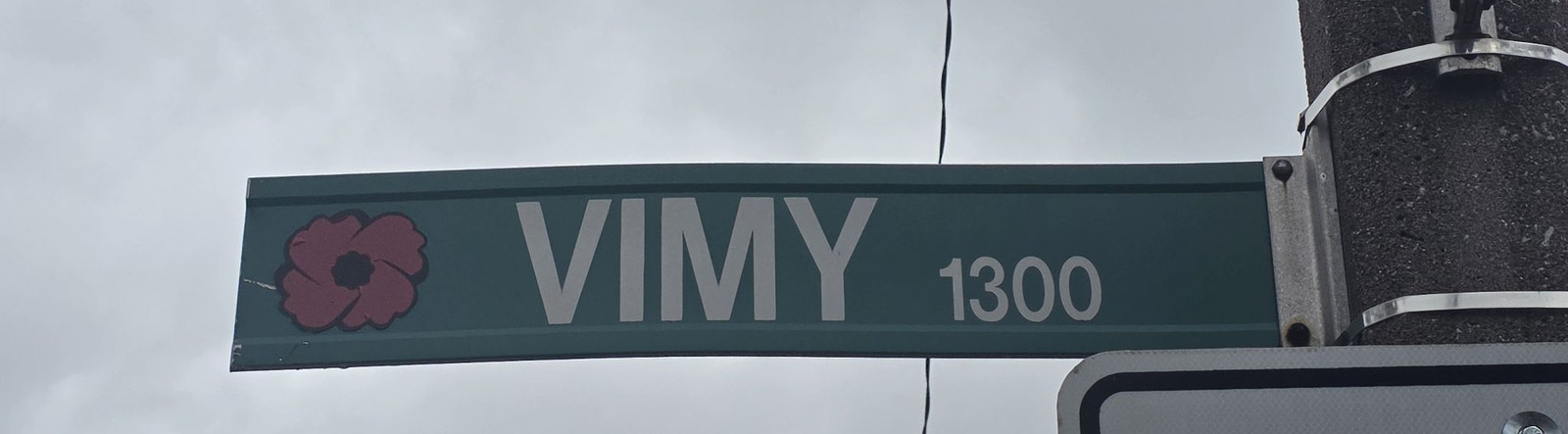
These street-sign photographs also appear on Rose City Roots, Street Names. They are shown here because this page is about those signs and the people tied to the battles. The same files are used, not a second set of shots.
The Battle of Vimy Ridge was fought from 9 to 12 April 1917, as part of the wider Arras offensive. It was the first time all four divisions of the Canadian Corps fought together. Veterans Affairs Canada says some 100,000 Canadians served there and that they suffered more than 10,600 casualties, nearly 3,600 of them fatal.7 Vimy, 1917 is one of the Essex and Kent Scottish First World War honours.2
The roll lists men who died from 9 to 14 April 1917 (allowing two days after the official end of the battle for deaths of wounds in that sector) and who are buried or commemorated in the Vimy and Arras area, or named on the Vimy Memorial. Arras fighting after mid-April is in the Arras section, with a cross-reference back here.
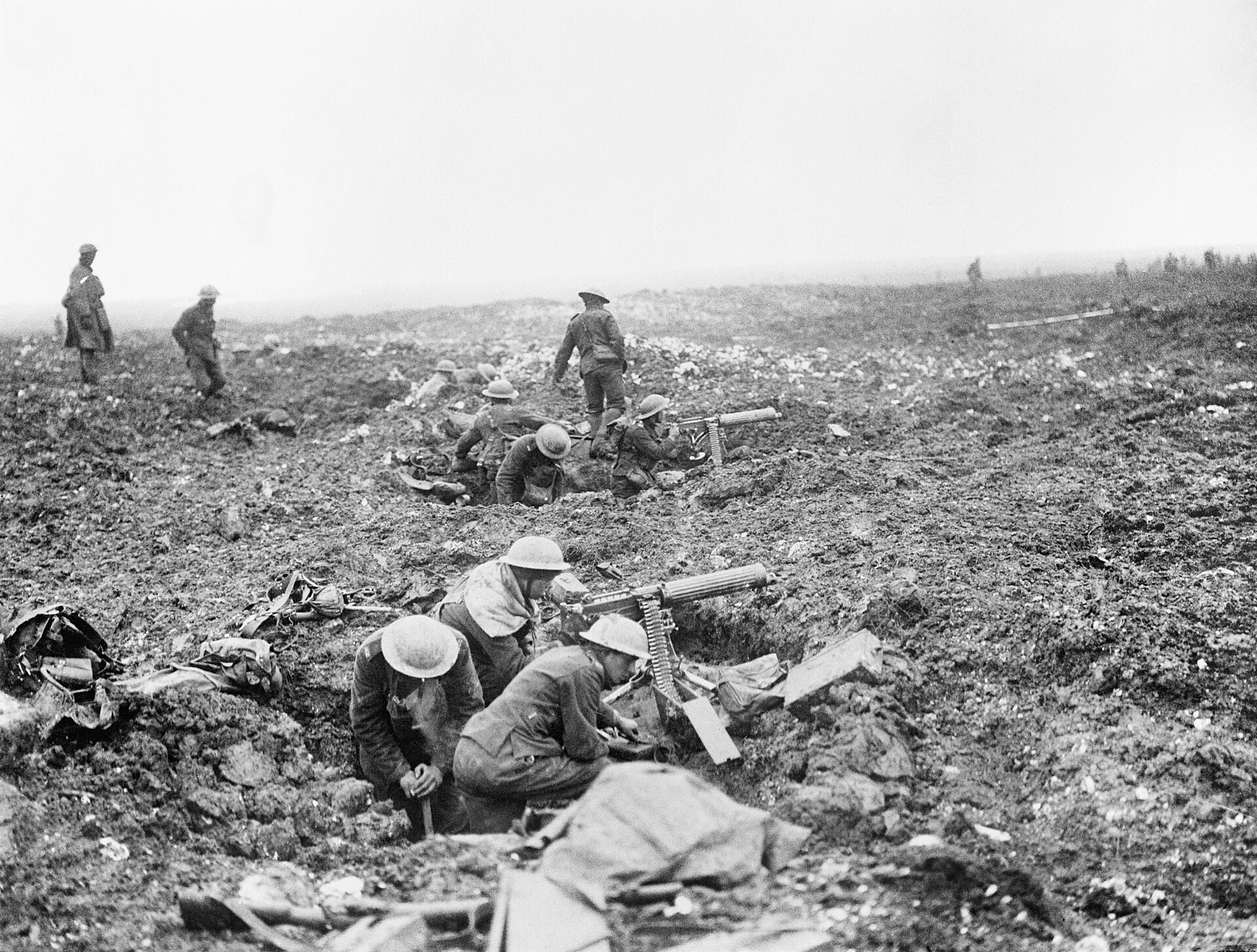

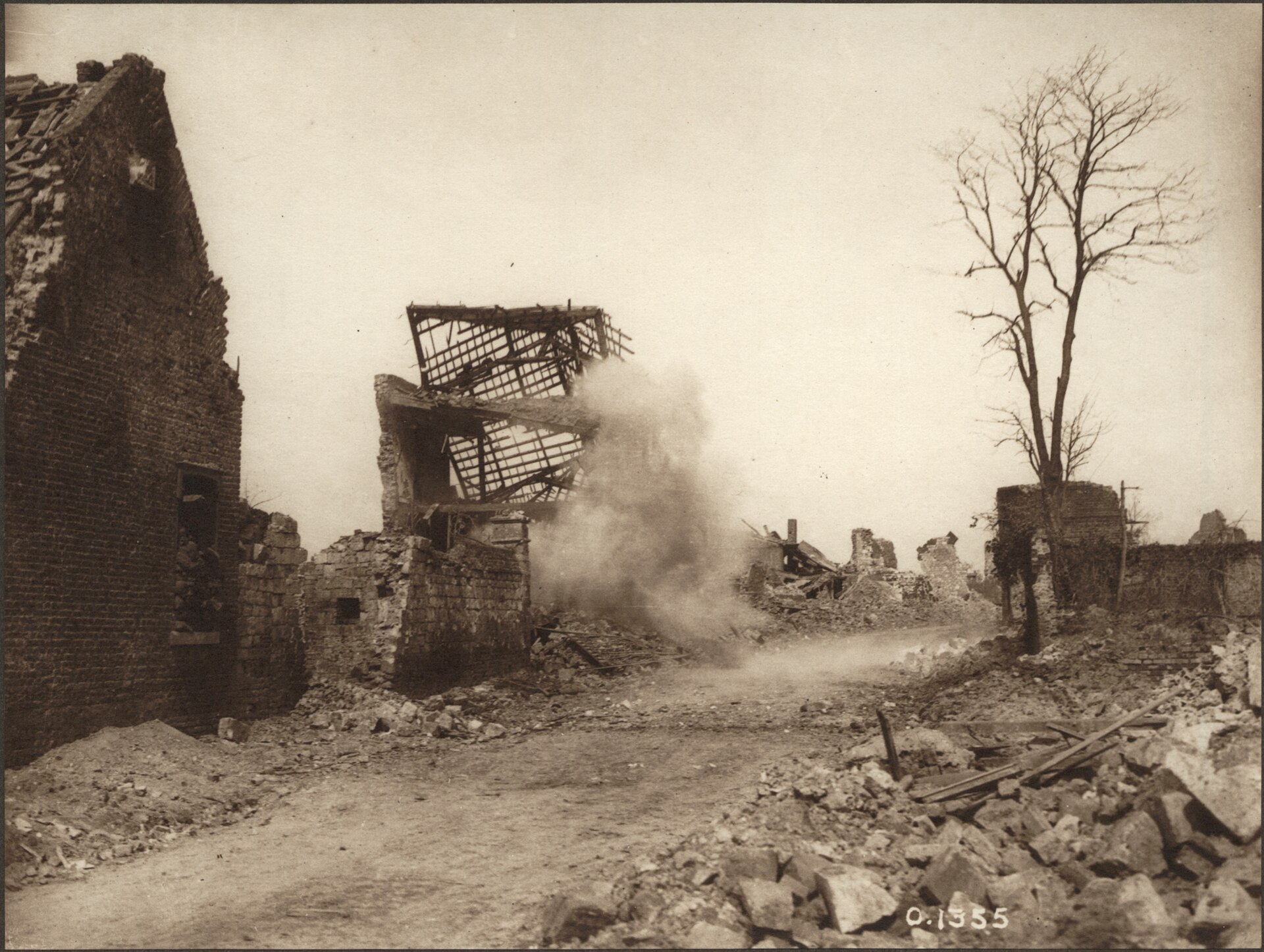

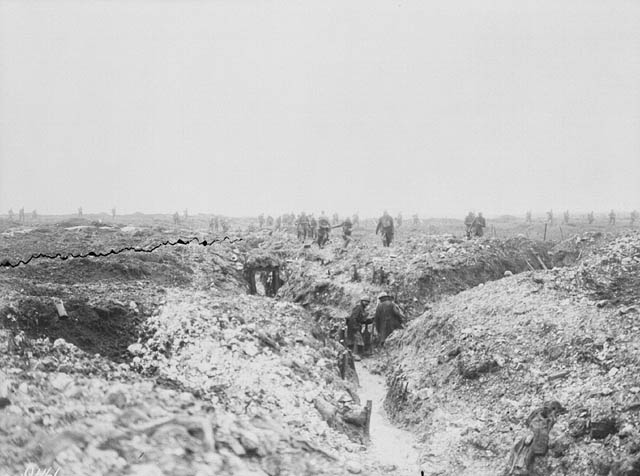

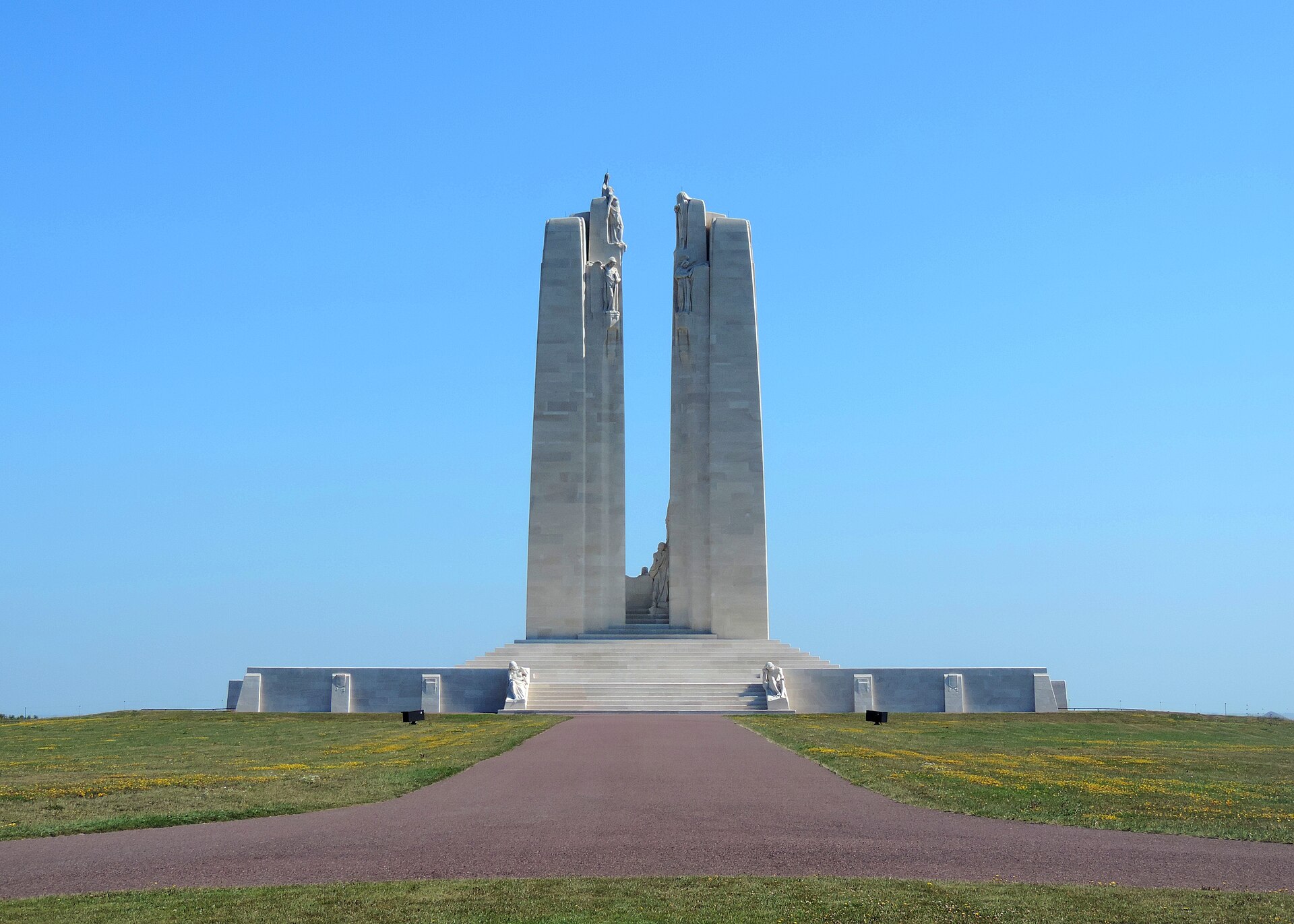

Richard Jack's painting The Taking of Vimy Ridge, Easter Monday 1917 is already on the Army page and is not repeated here.
| Name | Unit | Date | Fate and burial or memorial | Local link | Source |
|---|---|---|---|---|---|
| Alfred Snow Churchill Lieutenant | The Royal Canadian Regiment | 9 April 1917 | Died 9 April 1917. Ecoivres Military Cemetery. | Enlisted at Windsor Enlisted in Windsor, Ontario | CVWM record |
| Andrew Mcfarlane Paul Sergeant | Canadian Machine Gun Corps | 9 April 1917 | Died 9 April 1917. France Vimy Memorial. | Enlisted at Windsor Enlisted in Windsor, Ontario | CVWM record |
| Anton Skinkis Private | The Royal Canadian Regiment | 9 April 1917 | Died 9 April 1917. La Chaudiere Military Cemetery. | Enlisted at Windsor Enlisted in Windsor, Ontario | CVWM record |
| Archie Frank Wagner Lieutenant | Canadian Infantry (Eastern Ontario Regiment) | 9 April 1917 | Died 9 April 1917. Bois-Carre British Cemetery. | Verified Family of Essex, Ontario | CVWM record |
| Arthur Ernest Beattie Private | Canadian Infantry (Central Ontario Regiment) | 9 April 1917 | Died 9 April 1917. Nine Elms Military Cemetery (France). | Enlisted at Windsor Enlisted in Leamington, Ontario | CVWM record |
| Ben Wright Howarth Private | Canadian Infantry (Central Ontario Regiment) | 9 April 1917 | Died 9 April 1917. Nine Elms Military Cemetery (France). | Verified Family of Windsor, Ontario | CVWM record |
| Clifton Raymond Bow Private | The Royal Canadian Regiment | 9 April 1917 | Died 9 April 1917. Bois-Carre British Cemetery. | Enlisted at Windsor Enlisted in Windsor, Ontario | CVWM record |
| Fred Campbell Private | Princess Patricia's Canadian Light Infantry (Eastern Ontario Regt.) | 9 April 1917 | Died 9 April 1917. Ecoivres Military Cemetery. | Enlisted at Windsor Enlisted in Windsor, Ontario | CVWM record |
| James Ernest Meens Private | Canadian Infantry (New Brunswick Regiment) | 9 April 1917 | Died 9 April 1917. Lichfield Crater Thelus. | Verified Family of Windsor, Ontario | CVWM record |
| James Thompson Robb Lieutenant | Canadian Infantry (Central Ontario Regiment) | 9 April 1917 | Died 9 April 1917. Ecoivres Military Cemetery. | Verified Family of Leamington, Ontario | CVWM record |
| John Henry Willis Private | Canadian Infantry (Central Ontario Regiment) | 9 April 1917 | Died 9 April 1917. Vimy Memorial. | Verified Family of Windsor, Ontario | CVWM record |
| Lorne Gordon Lane Private | Canadian Infantry (New Brunswick Regiment) | 9 April 1917 | Died 9 April 1917. Vimy, France Vimy Memorial. | Verified Born in Ruthven, Ontario Enlisted in Leamington, Ontario Family of Kingsville, Ontario | CVWM record |
| Orville Leland Fox Private | Canadian Infantry (Quebec Regiment) | 9 April 1917 | Died 9 April 1917. Givenchy-En-Gohelle Canadian Cemetery. | Verified Family of Amherstburg, Ontario | CVWM record |
| Theodore Stergies Constant Private | Canadian Infantry (Central Ontario Regiment) | 9 April 1917 | Died 9 April 1917. Zivy Crater, Thelus. | Enlisted at Windsor Enlisted in Windsor, Ontario | CVWM record |
| Thomas Bechraft Lieutenant | Canadian Infantry (Eastern Ontario Regiment) | 9 April 1917 | Died 9 April 1917. Ecoivres Military Cemetery. | Enlisted at Windsor Enlisted in Windsor, Ontario | CVWM record |
| Louis Frederick Gardner Lance Corporal | Canadian Infantry (Central Ontario Regiment) | 12 April 1917 | Died 12 April 1917. Thelus Military Cemetery. | Verified Family of Windsor, Ontario | CVWM record |
Verified means the Canadian Virtual War Memorial record itself names a Windsor-Essex place, which is the Army roll's current rule. Enlisted at Windsor means the record shows enlistment here, and the CVWM record does not name a Windsor-Essex home. Held names stay on the roll with the reason shown; they are not counted as confirmed Windsor-Essex. A date in this battle's window, plus burial or commemoration in that sector, is the basis for listing. This page does not treat every death date as proof of a named action, and it does not claim a complete list of everyone from here who served.
Arras
A photograph of this poppy street sign is still to come. The City lists the street among those marked with a poppy in 2005. See Street Names. Dieppe is planned as a later stop on the same photo run; Arras, Amiens, Alsace, Lorraine and Verdun can be finished on a return pass.
The name Arras covers more than one Canadian operation. Veterans Affairs Canada's map of the Western Front marks the Battles of the Scarpe, April to May 1917, after Vimy, and the Battle of Arras, 26 August to 3 September 1918, at the start of the Last Hundred Days.3 This section keeps those two periods apart. Men already listed under Vimy are not repeated in the 1917 list below.
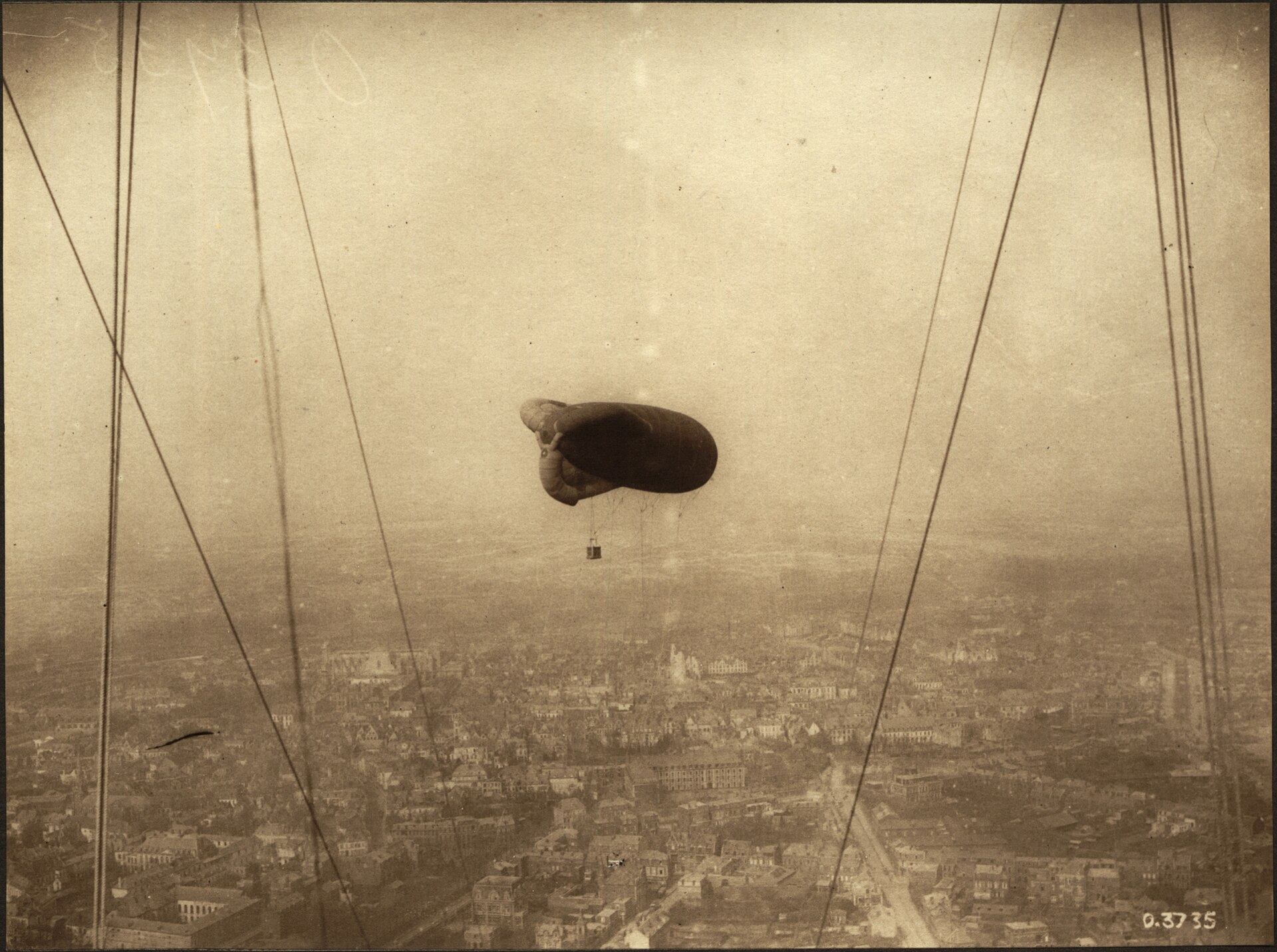

Arras and the Scarpe, 15 April to 16 May 1917
These men died after the Vimy dates and on or before 16 May 1917, and are buried or commemorated in the Arras and Vimy area, or named on the Vimy Memorial.
| Name | Unit | Date | Fate and burial or memorial | Local link | Source |
|---|---|---|---|---|---|
| John Campbell Galway Major | Canadian Pioneers | 18 April 1917 | Died 18 April 1917. Ecoivres Military Cemetery. | Held Family of Comber Held CVWM gives the place without a province. Towns in Nova Scotia, Quebec and England share these names. | CVWM record |
| Arthur Leslie Greenhow Private | Canadian Infantry (Central Ontario Regiment) | 23 April 1917 | Died 23 April 1917. Ecoivres Military Cemetery. | Verified Family of Walkerville, Ontario | CVWM record |
| George Arthur Freeland Private | Canadian Infantry (Central Ontario Regiment) | 9 May 1917 | Died 9 May 1917. Vimy Memorial. | Verified Family of Leamington, Ontario | CVWM record |
| Jack Harry Harrison Private | Canadian Infantry (Central Ontario Regiment) | 9 May 1917 | Died 9 May 1917. Vimy Memorial. | Enlisted at Windsor Enlisted in Windsor, Ontario | CVWM record |
| Thomas Andrew Connolly Sapper | Canadian Engineers | 13 May 1917 | Died 13 May 1917. La Targette British Cemetery. | Enlisted at Windsor Enlisted in Windsor, Ontario | CVWM record |
Verified means the Canadian Virtual War Memorial record itself names a Windsor-Essex place, which is the Army roll's current rule. Enlisted at Windsor means the record shows enlistment here, and the CVWM record does not name a Windsor-Essex home. Held names stay on the roll with the reason shown; they are not counted as confirmed Windsor-Essex. A date in this battle's window, plus burial or commemoration in that sector, is the basis for listing. This page does not treat every death date as proof of a named action, and it does not claim a complete list of everyone from here who served.
Arras, 26 August to 3 September 1918
These men died in that window and are buried or commemorated in the Arras area, or named on the Vimy Memorial. A death date in this window at a cemetery outside that sector is not included.
| Name | Unit | Date | Fate and burial or memorial | Local link | Source |
|---|---|---|---|---|---|
| Guy Bellman Private | Canadian Infantry (Western Ontario Regiment) | 26 August 1918 | Died 26 August 1918. Wancourt British Cemetery. | Enlisted at Windsor Enlisted in Windsor, Ontario | CVWM record |
| James Edwin Willan Private | Canadian Infantry (Western Ontario Regiment) | 26 August 1918 | Died 26 August 1918. Tilloy British Cemetery. | Verified Family of Leamington, Ontario Family of Essex, Ontario | CVWM record |
| Frank Bennett Private | Canadian Infantry (Western Ontario Regiment) | 27 August 1918 | Died 27 August 1918. Vis-En-Artois British Cemetery, Haucourt. | Enlisted at Windsor Enlisted in Windsor, Ontario | CVWM record |
| Théophile Drolet Private | Canadian Infantry (Quebec Regiment) | 27 August 1918 | Died 27 August 1918. Chérisy, Pas-de-Calais, France Wancourt British Cemetery. | Verified Family of Windsor, Ontario | CVWM record |
| Herbert Lewis Bullock Private | Canadian Infantry (Central Ontario Regiment) | 28 August 1918 | Died 28 August 1918. Vis-En-Artois British Cemetery, Haucourt. | Enlisted at Windsor Enlisted in Windsor, Ontario | CVWM record |
| Walter Frank Cole Lieutenant | Canadian Infantry (Western Ontario Regiment) | 28 August 1918 | Died 28 August 1918. Vis-En-Artois British Cemetery, Haucourt. | Verified Enlisted in Windsor, Ontario Family of Windsor, Ontario | CVWM record |
| Robert Bowles Lance Corporal | Canadian Infantry (Eastern Ontario Regiment) | 30 August 1918 | Died 30 August 1918. Vimy Memorial. | Enlisted at Windsor Enlisted in Windsor, Ontario | CVWM record |
| Walter Fred Becker Private | Canadian Infantry (Western Ontario Regiment) | 30 August 1918 | Died 30 August 1918. Faubourg-D'Amiens Cemetery, Arras. | Enlisted at Windsor Enlisted in Windsor, Ontario | CVWM record |
| Wilfred Frederick Medcalf Private | Canadian Infantry (Central Ontario Regiment) | 31 August 1918 | Died 31 August 1918. Vimy Memorial. | Verified Family of Windsor, Ontario | CVWM record |
| James Crawford Private | Canadian Infantry (Alberta Regiment) | 2 September 1918 | Died 2 September 1918. Faubourg-D'Amiens Cemetery, Arras. | Enlisted at Windsor Enlisted in Windsor, Ontario | CVWM record |
Verified means the Canadian Virtual War Memorial record itself names a Windsor-Essex place, which is the Army roll's current rule. Enlisted at Windsor means the record shows enlistment here, and the CVWM record does not name a Windsor-Essex home. Held names stay on the roll with the reason shown; they are not counted as confirmed Windsor-Essex. A date in this battle's window, plus burial or commemoration in that sector, is the basis for listing. This page does not treat every death date as proof of a named action, and it does not claim a complete list of everyone from here who served.
Lens
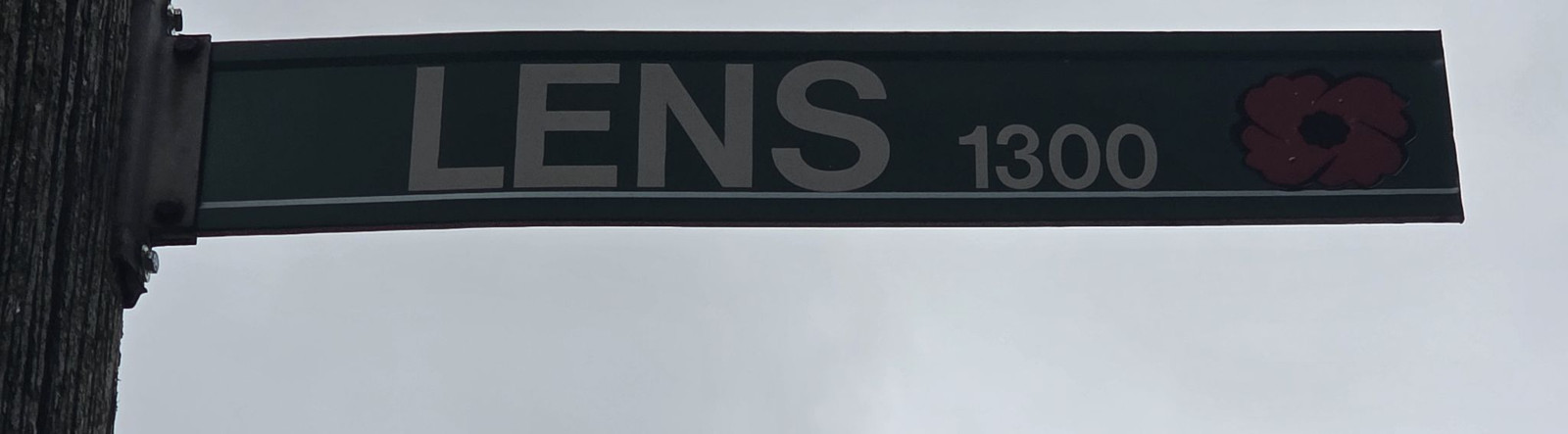
These street-sign photographs also appear on Rose City Roots, Street Names. They are shown here because this page is about those signs and the people tied to the battles. The same files are used, not a second set of shots.
The Canadian fighting tied to the name Lens is the Battle of Hill 70, 15 to 25 August 1917, including attacks on the town of Lens itself. Veterans Affairs Canada says the Canadian Corps, about 100,000 strong, suffered some 9,200 casualties in those days. The Canadians took the hill and held it against repeated German counter-attacks; they did not take all of Lens.8 Hill 70 is one of the Essex and Kent Scottish First World War honours.2
The roll lists men who died from 15 to 25 August 1917 and are buried or commemorated in the Lens area, or named on the Vimy Memorial in that window.
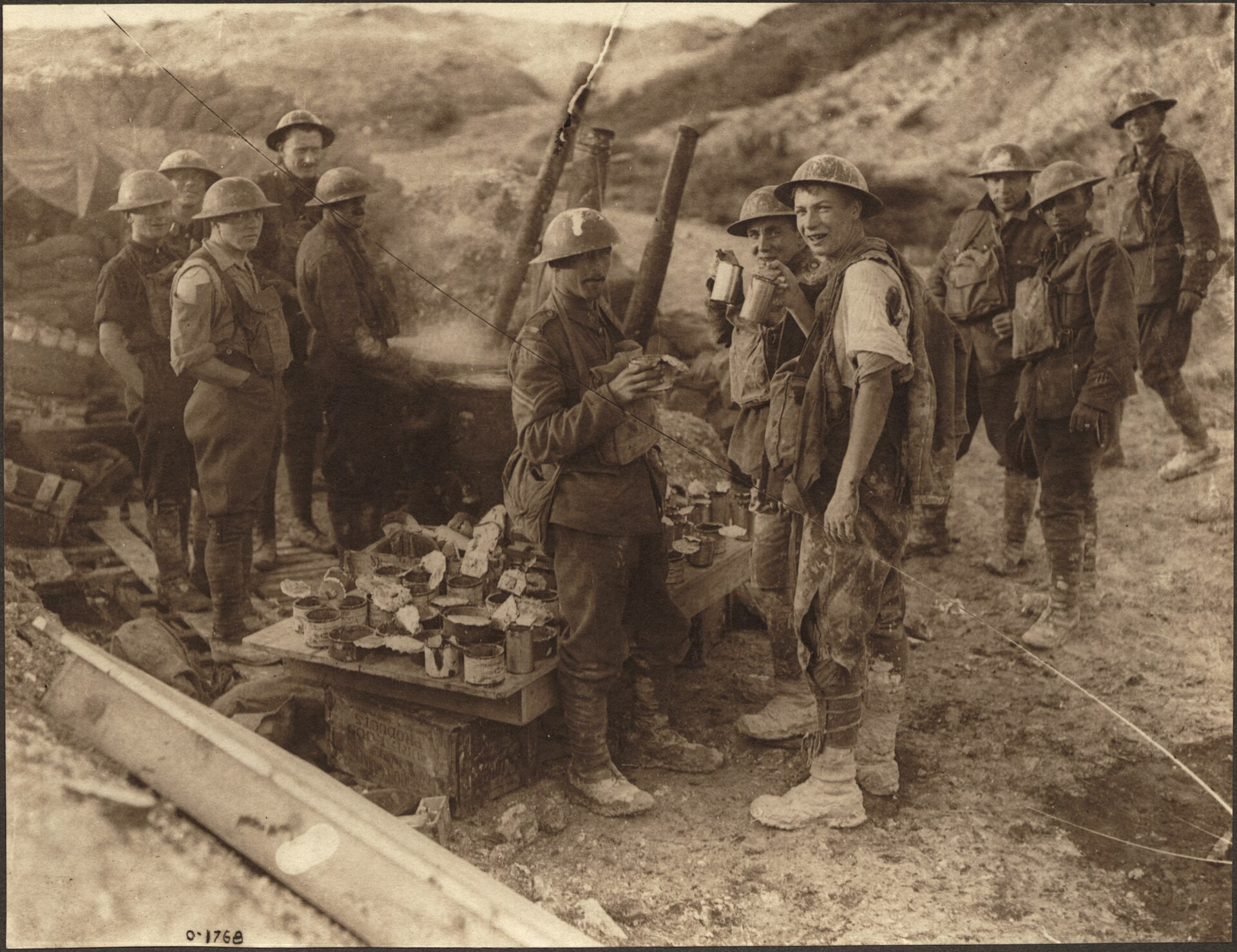

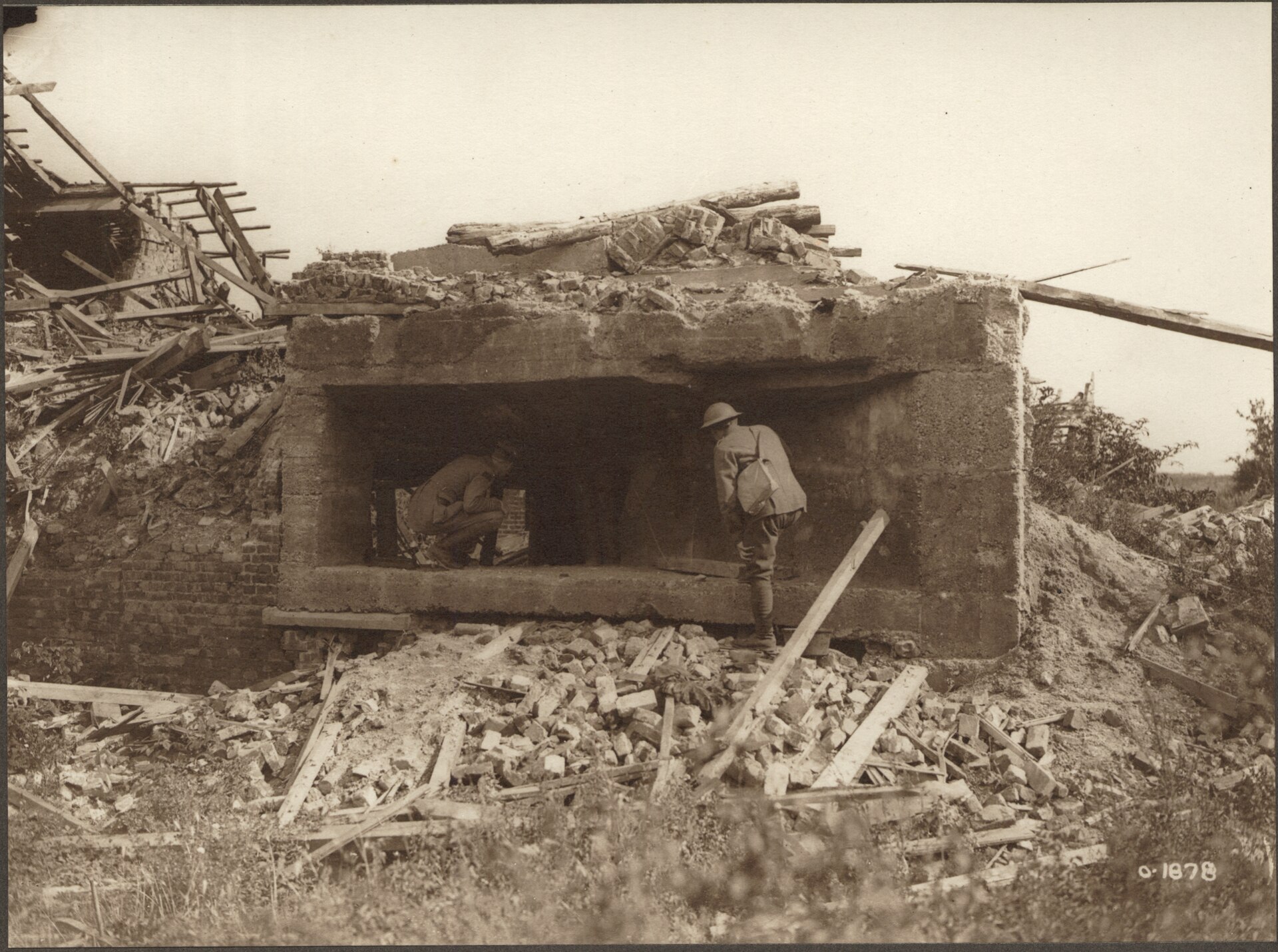

David Milne's watercolour Loos from the Trenches on Hill 70 is already on the Army page and is not repeated here.
A local man who served and lived
Company Sergeant Major Abbott Elmer Ross, of the 18th Battalion, was awarded the Distinguished Conduct Medal. The regimental collection places that action at Hill 70. That is the wording already used on War Chest; this page does not add to it. His story is in the chronology.
| Name | Unit | Date | Fate and burial or memorial | Local link | Source |
|---|---|---|---|---|---|
| George Stanley Bolt Private | Canadian Infantry (Central Ontario Regiment) | 15 August 1917 | Died 15 August 1917. Vimy Memorial. | Enlisted at Windsor Enlisted in Leamington, Ontario | CVWM record |
| John Arlington Bell Private | Canadian Infantry (Manitoba Regiment) | 15 August 1917 | Died 15 August 1917. Vimy Memorial. | Verified Enlisted in Leamington, Ontario Family of Leamington, Ontario | CVWM record |
| John Charlie Private | Canadian Infantry (Quebec Regiment) | 15 August 1917 | Died 15 August 1917. Vimy Memorial. | Enlisted at Windsor Enlisted in Windsor, Ontario | CVWM record |
| Joseph Chester Brandon Private | Canadian Infantry (Manitoba Regiment) | 15 August 1917 | Died 15 August 1917. Vimy Memorial. | Enlisted at Windsor Enlisted in Windsor, Ontario | CVWM record |
| Leonard Clingersmith Private | Canadian Infantry (Central Ontario Regiment) | 15 August 1917 | Died 15 August 1917. Vimy Memorial. | Enlisted at Windsor Enlisted in Windsor, Ontario | CVWM record |
| William Atkins Private | Canadian Infantry (Manitoba Regiment) | 15 August 1917 | Died 15 August 1917. Vimy Memorial. | Enlisted at Windsor Enlisted in Windsor, Ontario | CVWM record |
| William Henry James Mose Private | Canadian Infantry (British Columbia Regiment) | 15 August 1917 | Died 15 August 1917. Vimy Memorial. | Verified Family of Windsor, Ontario | CVWM record |
| David Aikin Private | Canadian Infantry (Western Ontario Regiment) | 21 August 1917 | Died 21 August 1917. Aix-Noulette Communal Cemetery Extension. | Verified Family of Wheatley, Ontario | CVWM record |
| Clifford Charles Willan Private | Canadian Infantry (Western Ontario Regiment) | 24 August 1917 | Died 24 August 1917. Lapugnoy Military Cemetery. | Verified Family of Leamington, Ontario | CVWM record |
Verified means the Canadian Virtual War Memorial record itself names a Windsor-Essex place, which is the Army roll's current rule. Enlisted at Windsor means the record shows enlistment here, and the CVWM record does not name a Windsor-Essex home. Held names stay on the roll with the reason shown; they are not counted as confirmed Windsor-Essex. A date in this battle's window, plus burial or commemoration in that sector, is the basis for listing. This page does not treat every death date as proof of a named action, and it does not claim a complete list of everyone from here who served.
Amiens
A photograph of this poppy street sign is still to come. The City lists the street among those marked with a poppy in 2005. See Street Names.
The Battle of Amiens was fought from 8 to 11 August 1918 and opened what Veterans Affairs Canada calls Canada's Hundred Days. Canadian troops, with Australian, British and French forces, attacked by surprise and advanced about 20 kilometres in three days.9 Amiens is one of the Essex and Kent Scottish First World War honours.2
The roll lists men who died from 8 to 12 August 1918 and are buried or commemorated in the Amiens sector, or named on the Vimy Memorial in that window.
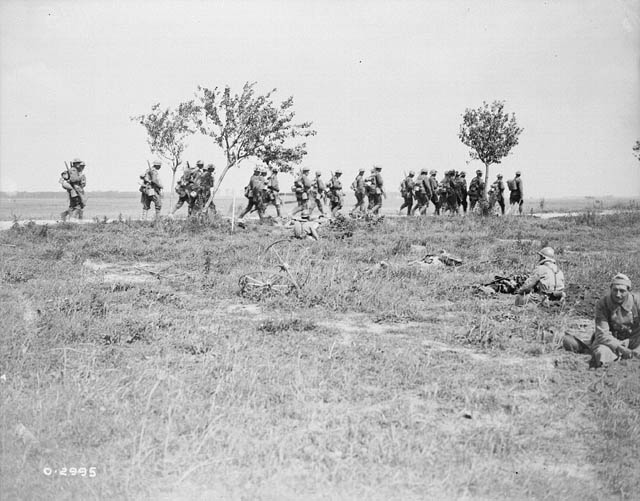

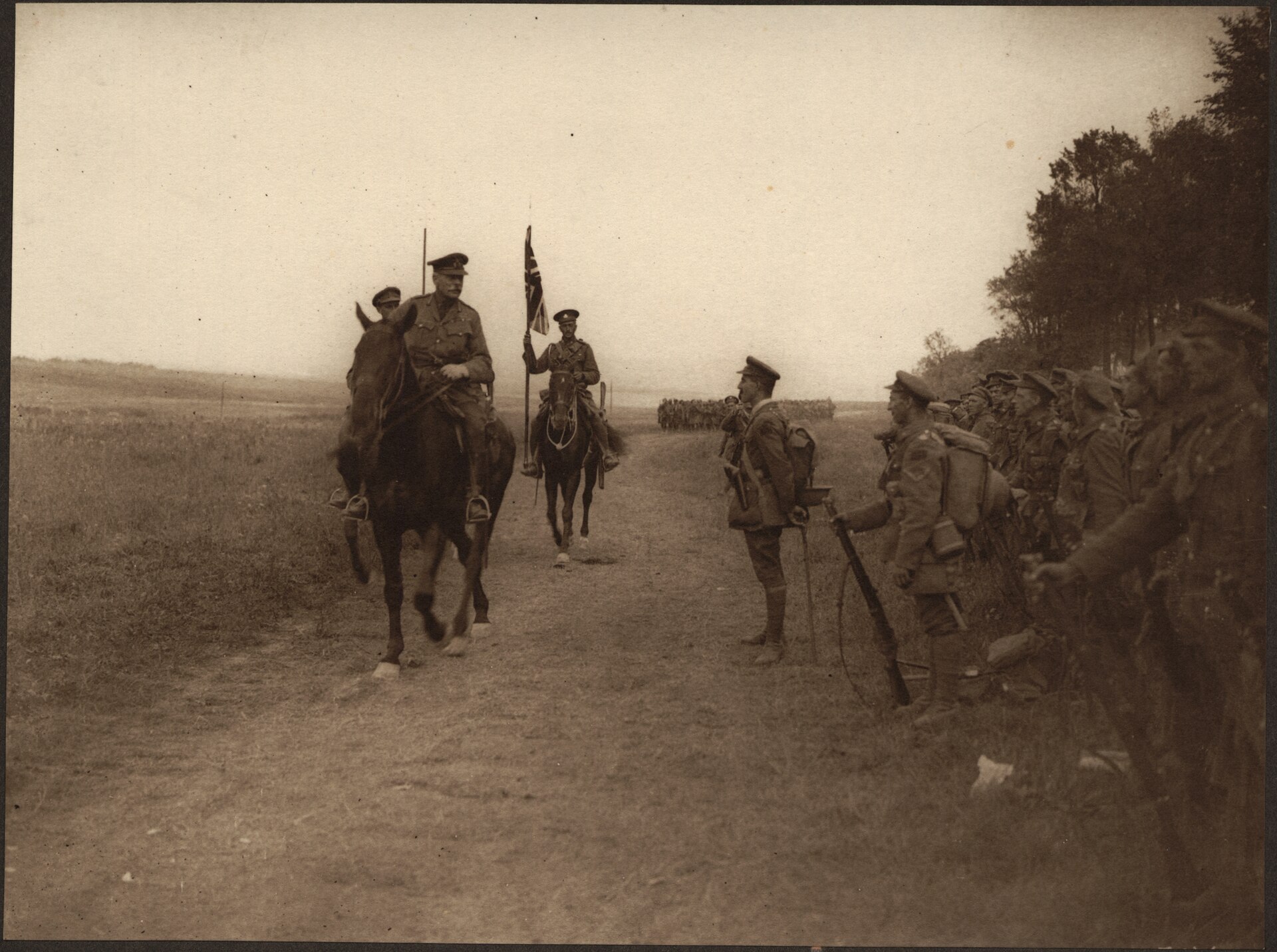

| Name | Unit | Date | Fate and burial or memorial | Local link | Source |
|---|---|---|---|---|---|
| Bernard Golden Miller Private | Canadian Infantry (Central Ontario Regiment) | 8 August 1918 | Died 8 August 1918. Crucifix Corner Cemetery, Villers-Bretonneux. | Verified Family of Kingsville, Essex Co., Ontario Family of Windsor, Ontario | CVWM record |
| Charles Giddy Private | Royal Canadian Dragoons (1st Armoured Regiment) | 8 August 1918 | Died 8 August 1918. Longueau British Cemetery. | Verified Family of Leamington, Ontario | CVWM record |
| Edwin Dewar Reid Private | Canadian Infantry (Central Ontario Regiment) | 8 August 1918 | Died 8 August 1918. Crucifix Corner Cemetery, Villers-Bretonneux. | Verified Family of Cottam, Ontario | CVWM record |
| William Ellsworth Umberger Corporal | 4th Canadian Mounted Rifles (2nd Central Ontario Regt.) | 8 August 1918 | Died 8 August 1918. Vimy Memorial. | Enlisted at Windsor Enlisted in Windsor, Ontario | CVWM record |
| William Evlyn Skinner Lance Corporal | Canadian Infantry (Eastern Ontario Regiment) | 8 August 1918 | Died 8 August 1918. Villers-Bretonneux Military Cemetery. | Enlisted at Windsor Enlisted in Windsor, Ontario | CVWM record |
| Edward Joseph Heffernan Private | Canadian Infantry (Alberta Regiment) | 9 August 1918 | Died 9 August 1918. Rosieres Communal Cemetery Extension. | Verified Family of Windsor, Ontario | CVWM record |
| Leverett Holden Bent Private | Canadian Machine Gun Corps | 9 August 1918 | Died 9 August 1918. Crouy British Cemetery, Crouy-Sur-Somme. | Enlisted at Windsor Enlisted in Windsor, Ontario | CVWM record |
| Cecil Jones Private | Canadian Infantry (Nova Scotia Regiment) | 10 August 1918 | Died 10 August 1918. Vimy Memorial. | Verified Family of Windsor, Ontario | CVWM record |
| James Patrick Curtis Private | Canadian Infantry (Eastern Ontario Regiment) | 10 August 1918 | Died 10 August 1918. Vimy Memorial. | Enlisted at Windsor Enlisted in Windsor, Ontario | CVWM record |
| William Earl Turner Private | Canadian Infantry (Central Ontario Regiment) | 10 August 1918 | Died 10 August 1918. Vignacourt British Cemetery. | Verified Family of Windsor, Ontario | CVWM record |
| Alexander Cunningham Private | Canadian Infantry (Manitoba Regiment) | 11 August 1918 | Died 11 August 1918. Rosieres Communal Cemetery Extension. | Enlisted at Windsor Enlisted in Windsor, Ontario | CVWM record |
| Frank Badgley Private | Canadian Infantry (Western Ontario Regiment) | 11 August 1918 | Died 11 August 1918. Vimy Memorial. | Enlisted at Windsor Enlisted in Windsor, Ontario | CVWM record |
Verified means the Canadian Virtual War Memorial record itself names a Windsor-Essex place, which is the Army roll's current rule. Enlisted at Windsor means the record shows enlistment here, and the CVWM record does not name a Windsor-Essex home. Held names stay on the roll with the reason shown; they are not counted as confirmed Windsor-Essex. A date in this battle's window, plus burial or commemoration in that sector, is the basis for listing. This page does not treat every death date as proof of a named action, and it does not claim a complete list of everyone from here who served.
Dieppe
A photograph of the Dieppe poppy street sign is still to come, planned as stop 29 on the next day of the photo run. See Street Names.
The Dieppe raid was fought on 19 August 1942. Canadians made up most of the attacking force. Veterans Affairs Canada says that of 4,963 Canadians who embarked, only 2,210 returned to England, many of them wounded; 916 Canadians lost their lives, and 1,946 were taken prisoner.10
The Essex Scottish landed on Red Beach, in front of the town. The official historian, C.P. Stacey, wrote that out of 553 all ranks, it brought back only 52, of whom 28 were wounded. The regimental association gives different figures for killed and captured, so no combined total is given here. That is the same careful wording already used on the Army page, which also has the photographs of returning Essex Scottish men, the operation map, prisoners in Dieppe, and a wounded soldier landed at Portsmouth. Those pictures are not repeated here.11
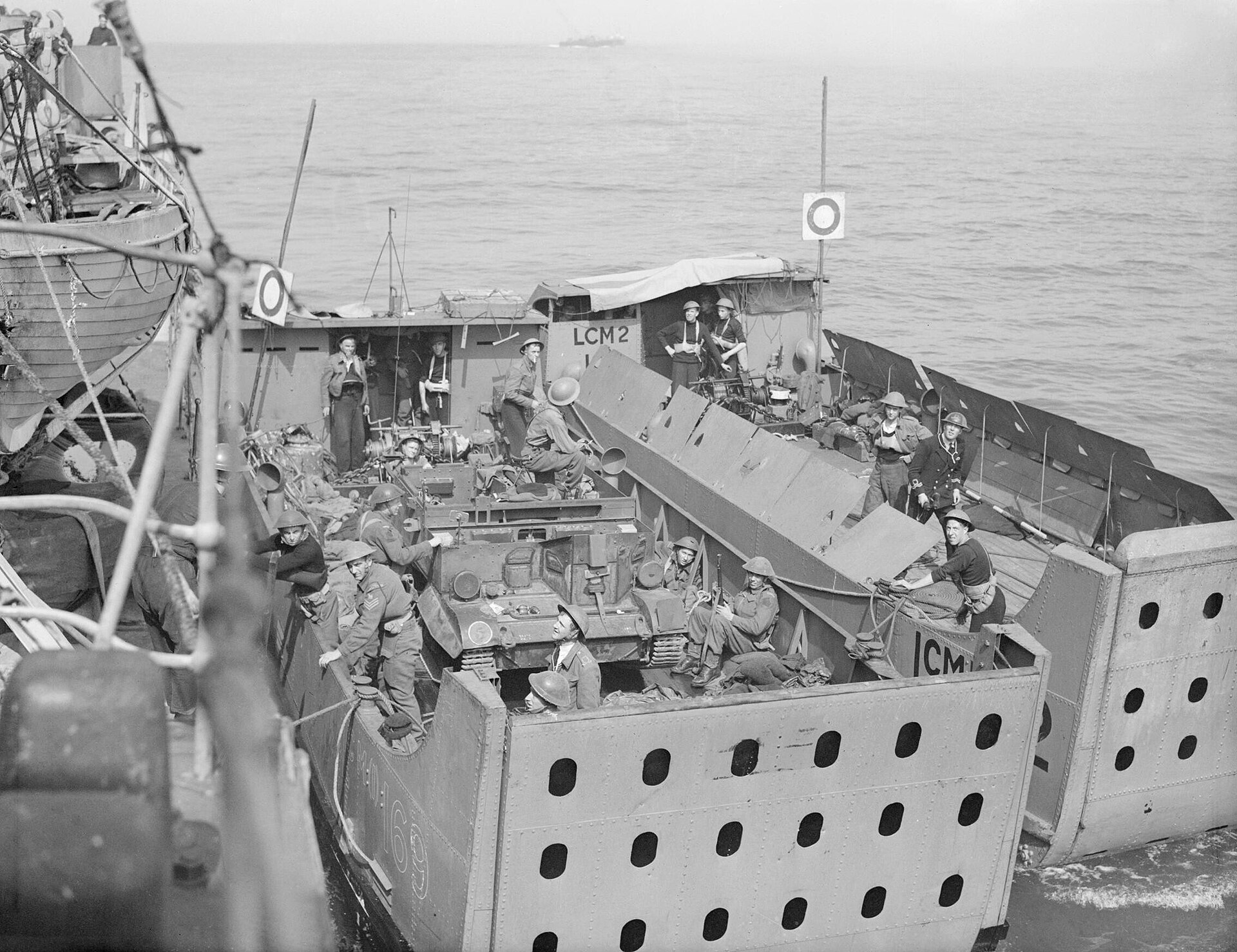

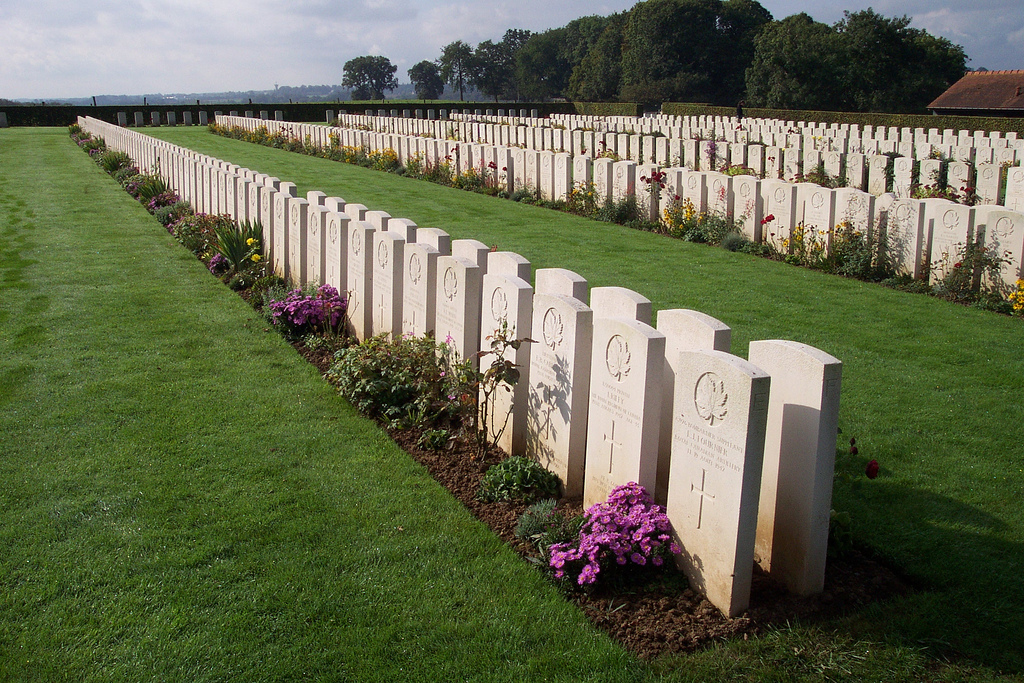

Local men who served and lived
- Private George Edmond Marchant, a stretcher bearer, later remembered by his family as a medical sergeant, was awarded the Military Medal for the raid.
- Private Mick Gleason. His story is on his War Chest profile and in the chronology.
- Company Sergeant Major Cornelius Stapleton led the party of about a dozen men that, Stacey wrote, was the only Essex Scottish group to get across the Promenade. This page adds no further claim about that action.11
- Lieutenant-Colonel Frederick Kent Jasperson commanded the Essex Scottish at Dieppe, was taken prisoner, and was awarded the Distinguished Service Order, gazetted for gallant and distinguished services at Dieppe. No individual citation has been found, so this site describes no particular act.
The roll lists men on the Army roll who died on or shortly after 19 August 1942 in connection with Dieppe, or who are buried at the Dieppe Canadian War Cemetery. Most are Essex Scottish; a few served in other units on the raid, including the Royal Canadian Engineers. Status flags follow the Army roll.
| Name | Unit | Date | Fate and burial or memorial | Local link | Source |
|---|---|---|---|---|---|
| Albert Hind Lance Corporal | Essex Scottish Regiment, R.C.I.C. | 19 August 1942 | Died 19 August 1942. Dieppe Canadian War Cemetery (Hautot-Sur-Mer). | Verified Family of Windsor, Ontario | CVWM record |
| Alexander John Taylor Lance Corporal | Essex Scottish Regiment, R.C.I.C. | 19 August 1942 | Died 19 August 1942. Dieppe Canadian War Cemetery (Hautot-Sur-Mer). | Verified Family of Windsor, Ontario | CVWM record |
| Alfred Douglas Green Lieutenant | Essex Scottish Regiment, R.C.I.C. | 19 August 1942 | Died 19 August 1942. Dieppe Canadian War Cemetery (Hautot-Sur-Mer). | Verified Family of Walkerville, Ontario | CVWM record |
| Alphonse Cecil Rivait Private | Essex Scottish Regiment, R.C.I.C. | 19 August 1942 | Died 19 August 1942. Dieppe, France Brookwood Memorial. | Verified Born in Windsor, Ontario Enlisted in Windsor, Ontario Family of Windsor, Ontario | CVWM record |
| Alvin Ross Cormier Private | Essex Scottish Regiment, R.C.I.C. | 19 August 1942 | Died 19 August 1942. Dieppe, France Brookwood Memorial. | Verified Enlisted in Windsor, Ontario Family of Windsor, Ontario | CVWM record |
| Andrew Lennox Sergeant | Essex Scottish Regiment, R.C.I.C. | 19 August 1942 | Died 19 August 1942. Dieppe, France Dieppe Canadian War Cemetery (Hautot-Sur-Mer). | Enlisted at Windsor Enlisted in Windsor, Ontario | CVWM record |
| Andrew Murray Cudmore Private | Essex Scottish Regiment, R.C.I.C. | 19 August 1942 | Died 19 August 1942. Dieppe Canadian War Cemetery (Hautot-Sur-Mer). | Verified Family of Windsor, Ontario | CVWM record |
| Charles Donald Company Quarter Master Sergeant | Essex Scottish Regiment, R.C.I.C. | 19 August 1942 | Died 19 August 1942. Dieppe Canadian War Cemetery (Hautot-Sur-Mer). | Verified Family of Windsor, Ontario | CVWM record |
| Charles Munroe Schooley Lance Corporal | Essex Scottish Regiment, R.C.I.C. | 19 August 1942 | Died 19 August 1942. Dieppe Canadian War Cemetery (Hautot-Sur-Mer). | Verified Family of Windsor, Ontario | CVWM record |
| Charles Peter Adams Private | Essex Scottish Regiment, R.C.I.C. | 19 August 1942 | Died 19 August 1942. Dieppe, France Brookwood Memorial. | Verified Enlisted in Windsor, Ontario Family of Amherstburg, Ontario | CVWM record |
| Clayton Kenneth Collison Private | Essex Scottish Regiment, R.C.I.C. | 19 August 1942 | Died 19 August 1942. Dieppe, France Dieppe Canadian War Cemetery (Hautot-Sur-Mer). | Verified Born in Windsor, Ontario Enlisted in Windsor, Ontario Family of Windsor, Ontario | CVWM record |
| Clifford Orney Bowers Private | Essex Scottish Regiment, R.C.I.C. | 19 August 1942 | Died 19 August 1942. Dieppe, France Dieppe Canadian War Cemetery (Hautot-Sur-Mer). | Enlisted at Windsor Enlisted in Windsor, Ontario | CVWM record |
| David Vallance Private | Essex Scottish Regiment, R.C.I.C. | 19 August 1942 | Died 19 August 1942. Dieppe, France St. Sever Cemetery Extension (Rouen). | Enlisted at Windsor Enlisted in Windsor, Ontario | CVWM record |
| Desmond Leonard Sullivan Private | Essex Scottish Regiment, R.C.I.C. | 19 August 1942 | Died 19 August 1942. Brookwood Memorial. | Verified Enlisted in Windsor, Ontario Family of Amherstburg, Ontario | CVWM record |
| Donald Francis Royan Private | Essex Scottish Regiment, R.C.I.C. | 19 August 1942 | Died 19 August 1942. Brookwood Memorial. | Verified Family of Windsor, Ontario | CVWM record |
| Donald White Private | Essex Scottish Regiment, R.C.I.C. | 19 August 1942 | Died 19 August 1942. Dieppe Canadian War Cemetery (Hautot-Sur-Mer). | Verified Family of Windsor, Ontario | CVWM record |
| Earl Couvia Private | Essex Scottish Regiment, R.C.I.C. | 19 August 1942 | Died 19 August 1942. Dieppe, France Dieppe Canadian War Cemetery (Hautot-Sur-Mer). | Verified Born in Windsor, Ontario Enlisted in Windsor, Ontario Family of Windsor, Ontario | CVWM record |
| Edgar Francis McIntyre Private | Essex Scottish Regiment, R.C.I.C. | 19 August 1942 | Died 19 August 1942. Dieppe, France Brookwood Memorial. | Verified Born in Windsor, Ontario Enlisted in Windsor, Ontario Family of Windsor, Ontario | CVWM record |
| Edgar Raymond Vaughan Private | Essex Scottish Regiment, R.C.I.C. | 19 August 1942 | Died 19 August 1942. Dieppe Canadian War Cemetery (Hautot-Sur-Mer). | Verified Enlisted in Windsor, Ontario Family of Windsor, Ontario | CVWM record |
| Edward Charles Samuel Wheeler Sergeant | Essex Scottish Regiment, R.C.I.C. | 19 August 1942 | Died 19 August 1942. Boulogne Eastern Cemetery. | Verified Family of Windsor, Ontario | CVWM record |
| Ernest Parent Private | Essex Scottish Regiment, R.C.I.C. | 19 August 1942 | Died 19 August 1942. Adegem Canadian War Cemetery. | Verified Family of Windsor, Ontario | CVWM record |
| Everett Russere McCormick Private | Essex Scottish Regiment, R.C.I.C. | 19 August 1942 | Died 19 August 1942. Dieppe Canadian War Cemetery (Hautot-Sur-Mer). | Verified Family of Leamington, Ontario | CVWM record |
| Felix Edward Matte Private | Essex Scottish Regiment, R.C.I.C. | 19 August 1942 | Died 19 August 1942. Dunkirk Town Cemetery. | Verified Family of Windsor, Ontario | CVWM record |
| Francis John De Lisle Private | Essex Scottish Regiment, R.C.I.C. | 19 August 1942 | Died 19 August 1942. Dieppe Canadian War Cemetery (Hautot-Sur-Mer). | Verified Born in Windsor, Ontario Enlisted in Windsor, Ontario Family of Windsor, Ontario | CVWM record |
| Frederick Bizovy Private | Essex Scottish Regiment, R.C.I.C. | 19 August 1942 | Died 19 August 1942. Dieppe Canadian War Cemetery (Hautot-Sur-Mer). | Enlisted at Windsor Enlisted in Windsor, Ontario | CVWM record |
| Frederick McLean Private | Essex Scottish Regiment, R.C.I.C. | 19 August 1942 | Died 19 August 1942. Dieppe Canadian War Cemetery (Hautot-Sur-Mer). | Verified Family of Windsor, Ontario | CVWM record |
| Gayle Hader Harman Private | Essex Scottish Regiment, R.C.I.C. | 19 August 1942 | Died 19 August 1942. Dieppe, France Dieppe Canadian War Cemetery (Hautot-Sur-Mer). | Enlisted at Windsor Enlisted in Windsor, Ontario | CVWM record |
| George Henry Leopold Private | Essex Scottish Regiment, R.C.I.C. | 19 August 1942 | Died 19 August 1942. Dieppe Canadian War Cemetery (Hautot-Sur-Mer). | Verified Family of Windsor, Ontario | CVWM record |
| George Howard Kennedy Private | Essex Scottish Regiment, R.C.I.C. | 19 August 1942 | Died 19 August 1942. Dieppe Canadian War Cemetery (Hautot-Sur-Mer). | Verified Family of Windsor, Ontario | CVWM record |
| Gerald James Jelso Private | Essex Scottish Regiment, R.C.I.C. | 19 August 1942 | Died 19 August 1942. Dieppe Canadian War Cemetery (Hautot-Sur-Mer). | Verified Family of Riverside, Ontario | CVWM record |
| Gerald Ronald Faubert Private | Essex Scottish Regiment, R.C.I.C. | 19 August 1942 | Died 19 August 1942. Brookwood Memorial. | Verified Enlisted in Windsor, Ontario Family of Windsor, Ontario | CVWM record |
| Gordon Ernest Barrett Private | Essex Scottish Regiment, R.C.I.C. | 19 August 1942 | Died 19 August 1942. Dieppe Canadian War Cemetery (Hautot-Sur-Mer). | Verified Born in Windsor, Ontario Enlisted in Windsor, Ontario Family of Windsor, Ontario | CVWM record |
| Hans Erik Jepsen Private | Essex Scottish Regiment, R.C.I.C. | 19 August 1942 | Died 19 August 1942. Dieppe, France Brookwood Memorial. | Enlisted at Windsor Enlisted in Windsor, Ontario | CVWM record |
| Harold Siverns Private | Essex Scottish Regiment, R.C.I.C. | 19 August 1942 | Died 19 August 1942. Dieppe, France Brookwood Memorial. | Verified Born in Kingsville, Ontario Family of Windsor, Ontario | CVWM record |
| Harry Alexander MacDonald Corporal | Essex Scottish Regiment, R.C.I.C. | 19 August 1942 | Died 19 August 1942. Brookwood Memorial. | Enlisted at Windsor Enlisted in Windsor, Ontario | CVWM record |
| Harry Horner Private | Royal Canadian Army Medical Corps | 19 August 1942 | Died 19 August 1942. Dieppe Canadian War Cemetery (Hautot-Sur-Mer). | Verified Family of Windsor, Ontario | CVWM record |
| Henry Knapp Private | Essex Scottish Regiment, R.C.I.C. | 19 August 1942 | Died 19 August 1942. Dieppe Canadian War Cemetery (Hautot-Sur-Mer). | Verified Family of Windsor, Ontario | CVWM record |
| Hugh Smith Sapper | Royal Canadian Engineers | 19 August 1942 | Died 19 August 1942. Dieppe, France Dieppe Canadian War Cemetery (Hautot-Sur-Mer). | Enlisted at Windsor Enlisted in Windsor, Ontario | CVWM record |
| Irwin Clarke Corporal | Essex Scottish Regiment, R.C.I.C. | 19 August 1942 | Died 19 August 1942. Dieppe Canadian War Cemetery (Hautot-Sur-Mer). | Held Family of Windsor Held CVWM gives the place without a province. Towns in Nova Scotia, Quebec and England share these names. | CVWM record |
| Jack Alexander George Godfrey Private | Essex Scottish Regiment, R.C.I.C. | 19 August 1942 | Died 19 August 1942. Dieppe Canadian War Cemetery (Hautot-Sur-Mer). | Verified Family of Leamington, Ontario | CVWM record |
| Jack Victor Lawrence Private | Essex Scottish Regiment, R.C.I.C. | 19 August 1942 | Died 19 August 1942. Dieppe Canadian War Cemetery (Hautot-Sur-Mer). | Verified Family of Windsor, Ontario | CVWM record |
| James Ballmer Private | Essex Scottish Regiment, R.C.I.C. | 19 August 1942 | Died 19 August 1942. Dieppe Canadian War Cemetery (Hautot-Sur-Mer). | Verified Born in Gosfield, Ontario Enlisted in Windsor, Ontario | CVWM record |
| James Chaney Palms Lieutenant | Essex Scottish Regiment, R.C.I.C. | 19 August 1942 | Died 19 August 1942. Dieppe, France Dieppe Canadian War Cemetery (Hautot-Sur-Mer). | Enlisted at Windsor Enlisted in Windsor, Ontario | CVWM record |
| James Coltman Corporal | Royal Hamilton Light Infantry, R.C.I.C. | 19 August 1942 | Died 19 August 1942. Dieppe Canadian War Cemetery (Hautot-Sur-Mer). | Verified Family of Belle River, Ontario | CVWM record |
| James Taylor Private | Essex Scottish Regiment, R.C.I.C. | 19 August 1942 | Died 19 August 1942. Dieppe, France Adegem Canadian War Cemetery. | Verified Enlisted in Windsor, Ontario Family of Windsor, Ontario | CVWM record |
| James William Steers Private | Essex Scottish Regiment, R.C.I.C. | 19 August 1942 | Died 19 August 1942. Dieppe Canadian War Cemetery (Hautot-Sur-Mer). | Enlisted at Windsor Enlisted in Windsor, Ontario | CVWM record |
| John Arthur Willis Major | Essex Scottish Regiment, R.C.I.C. | 19 August 1942 | Died 19 August 1942. Dieppe, France Brookwood Memorial. | Verified Enlisted in Windsor, Ontario Family of Windsor, Ontario | CVWM record |
| John Raeburn Ednie Private | Essex Scottish Regiment, R.C.I.C. | 19 August 1942 | Died 19 August 1942. Dieppe Canadian War Cemetery (Hautot-Sur-Mer). | Verified Family of Windsor, Ontario | CVWM record |
| Joseph Augustine Foster Lance Corporal | Essex Scottish Regiment, R.C.I.C. | 19 August 1942 | Died 19 August 1942. Dieppe, France Brookwood Memorial. | Enlisted at Windsor Enlisted in Windsor, Ontario | CVWM record |
| Joseph Edward Aurand Private | Essex Scottish Regiment, R.C.I.C. | 19 August 1942 | Died 19 August 1942. Dieppe, France Brookwood Memorial. | Enlisted at Windsor Enlisted in Windsor, Ontario | CVWM record |
| Joseph Louis Balog Private | Essex Scottish Regiment, R.C.I.C. | 19 August 1942 | Died 19 August 1942. Dieppe, France Brookwood Memorial. | Verified Born in Windsor, Ontario Enlisted in Windsor, Ontario Family of Windsor, Ontario | CVWM record |
| Lawrence Wesley Gulliver Private | Essex Scottish Regiment, R.C.I.C. | 19 August 1942 | Died 19 August 1942. Dieppe Canadian War Cemetery (Hautot-Sur-Mer). | Verified Family of Essex, Ontario | CVWM record |
| Leo Joseph Trombley Lance Corporal | Essex Scottish Regiment, R.C.I.C. | 19 August 1942 | Died 19 August 1942. Dieppe Canadian War Cemetery (Hautot-Sur-Mer). | Verified Family of Windsor, Ontario | CVWM record |
| Leon Maxime Rivait Private | Essex Scottish Regiment, R.C.I.C. | 19 August 1942 | Died 19 August 1942. Dieppe, France Dieppe Canadian War Cemetery (Hautot-Sur-Mer). | Verified Born in Windsor, Ontario Enlisted in Windsor, Ontario Family of Windsor, Ontario | CVWM record |
| Leonard Andrew Private | Essex Scottish Regiment, R.C.I.C. | 19 August 1942 | Died 19 August 1942. Dieppe, France Dieppe Canadian War Cemetery (Hautot-Sur-Mer). | Verified Enlisted in Windsor, Ontario Family of Harrow, Ontario | CVWM record |
| Lorne Alden Lauzon Lance Corporal | Essex Scottish Regiment, R.C.I.C. | 19 August 1942 | Died 19 August 1942. Dieppe, France Brookwood Memorial. | Verified Enlisted in Windsor, Ontario Family of Windsor, Ontario | CVWM record |
| Maurice Cloutier Private | Essex Scottish Regiment, R.C.I.C. | 19 August 1942 | Died 19 August 1942. Dieppe, France Dieppe Canadian War Cemetery (Hautot-Sur-Mer). | Verified Enlisted in Windsor, Ontario Family of Windsor, Ontario | CVWM record |
| Maurice St Louis Private | Essex Scottish Regiment, R.C.I.C. | 19 August 1942 | Died 19 August 1942. Dieppe, France Dieppe Canadian War Cemetery (Hautot-Sur-Mer). | Verified Enlisted in Windsor, Ontario Family of Windsor, Ontario | CVWM record |
| Newton Anderson Barnard Private | Essex Scottish Regiment, R.C.I.C. | 19 August 1942 | Died 19 August 1942. Dieppe Canadian War Cemetery (Hautot-Sur-Mer). | Verified Enlisted in Windsor, Ontario Family of Windsor, Ontario | CVWM record |
| Paul John Morency Private | Essex Scottish Regiment, R.C.I.C. | 19 August 1942 | Died 19 August 1942. Dieppe Canadian War Cemetery (Hautot-Sur-Mer). | Enlisted at Windsor Enlisted in Windsor, Ontario | CVWM record |
| Richard Douglas Davidson Private | Essex Scottish Regiment, R.C.I.C. | 19 August 1942 | Died 19 August 1942. Dieppe, France Dieppe Canadian War Cemetery (Hautot-Sur-Mer). | Enlisted at Windsor Enlisted in Windsor, Ontario | CVWM record |
| Richard Podger Private | Essex Scottish Regiment, R.C.I.C. | 19 August 1942 | Died 19 August 1942. Dieppe Canadian War Cemetery (Hautot-Sur-Mer). | Enlisted at Windsor Enlisted in Windsor, Ontario | CVWM record |
| Robert Davidson Murphy Private | Essex Scottish Regiment, R.C.I.C. | 19 August 1942 | Died 19 August 1942. Dieppe, France Dieppe Canadian War Cemetery (Hautot-Sur-Mer). | Verified Enlisted in Windsor, Ontario Family of Windsor, Ontario | CVWM record |
| Robert Lee Kearns Private | Essex Scottish Regiment, R.C.I.C. | 19 August 1942 | Died 19 August 1942. Dieppe, France Dieppe Canadian War Cemetery (Hautot-Sur-Mer). | Verified Enlisted in Windsor, Ontario Family of Windsor, Ontario | CVWM record |
| Ronald Kenrick Towle Private | Essex Scottish Regiment, R.C.I.C. | 19 August 1942 | Died 19 August 1942. Dieppe, France Dieppe Canadian War Cemetery (Hautot-Sur-Mer). | Verified Born in Wheatley, Ontario Enlisted in Windsor, Ontario Family of Wheatley, Ontario | CVWM record |
| Roy Wigle Private | Essex Scottish Regiment, R.C.I.C. | 19 August 1942 | Died 19 August 1942. Dieppe, France Dieppe Canadian War Cemetery (Hautot-Sur-Mer). | Verified Born in Amherstburg, Ontario Enlisted in Windsor, Ontario Family of Amherstburg, Ontario | CVWM record |
| Russell Lee O'Connor Private | Essex Scottish Regiment, R.C.I.C. | 19 August 1942 | Died 19 August 1942. Dieppe Canadian War Cemetery (Hautot-Sur-Mer). | Verified Born in Windsor, Ontario Enlisted in Windsor, Ontario Family of Windsor, Ontario | CVWM record |
| Samuel Berger Private | Essex Scottish Regiment, R.C.I.C. | 19 August 1942 | Died 19 August 1942. Dieppe Canadian War Cemetery (Hautot-Sur-Mer). | Verified Enlisted in Windsor, Ontario Family of Windsor, Ontario | CVWM record |
| Stanley Phillip Peter Shepley Private | Essex Scottish Regiment, R.C.I.C. | 19 August 1942 | Died 19 August 1942. Brookwood Memorial. | Verified Family of Riverside, Ontario | CVWM record |
| Thomas Edward Hayhurst Major | Essex Scottish Regiment, R.C.I.C. | 19 August 1942 | Died 19 August 1942. Dieppe Canadian War Cemetery (Hautot-Sur-Mer). | Verified Family of Windsor, Ontario | CVWM record |
| Vendel Riedl Private | Essex Scottish Regiment, R.C.I.C. | 19 August 1942 | Died 19 August 1942. Dieppe, France Bergen-Op-Zoom War Cemetery. | Verified Enlisted in Windsor, Ontario Family of Windsor, Ontario | CVWM record |
| Walter Lewis Floyd Private | Essex Scottish Regiment, R.C.I.C. | 19 August 1942 | Died 19 August 1942. Dieppe, France Dieppe Canadian War Cemetery (Hautot-Sur-Mer). | Enlisted at Windsor Enlisted in Windsor, Ontario | CVWM record |
| Weldrick Fred Walker Private | Essex Scottish Regiment, R.C.I.C. | 19 August 1942 | Died 19 August 1942. Dieppe, France Dieppe Canadian War Cemetery (Hautot-Sur-Mer). | Verified Born in Windsor, Ontario Enlisted in Windsor, Ontario Family of Windsor, Ontario | CVWM record |
| Wilfred Daniel O'Connor Private | Essex Scottish Regiment, R.C.I.C. | 19 August 1942 | Died 19 August 1942. Dieppe Canadian War Cemetery (Hautot-Sur-Mer). | Verified Born in Windsor, Ontario Enlisted in Windsor, Ontario Family of Windsor, Ontario | CVWM record |
| Wilfred Joseph Larsh Private | Essex Scottish Regiment, R.C.I.C. | 19 August 1942 | Died 19 August 1942. Dieppe Canadian War Cemetery (Hautot-Sur-Mer). | Verified Family of Windsor, Ontario | CVWM record |
| Wilfred Winterbottom Private | Essex Scottish Regiment, R.C.I.C. | 19 August 1942 | Died 19 August 1942. Dieppe Canadian War Cemetery (Hautot-Sur-Mer). | Verified Family of Leamington, Ontario | CVWM record |
| William Donald Kennedy Private | Essex Scottish Regiment, R.C.I.C. | 19 August 1942 | Died 19 August 1942. Dieppe, France Dieppe Canadian War Cemetery (Hautot-Sur-Mer). | Verified Born in Windsor, Ontario Enlisted in Windsor, Ontario Family of Leamington, Ontario Family of Walkerville, Ontario | CVWM record |
| William Gordon Taylor Sergeant | Essex Scottish Regiment, R.C.I.C. | 19 August 1942 | Died 19 August 1942. Dieppe, France Calais Canadian War Cemetery (Leubringhen). | Enlisted at Windsor Enlisted in Windsor, Ontario | CVWM record |
| William MacMillan Sergeant | Essex Scottish Regiment, R.C.I.C. | 19 August 1942 | Died 19 August 1942. Dieppe, France Dieppe Canadian War Cemetery (Hautot-Sur-Mer). | Verified Enlisted in Windsor, Ontario Family of Windsor, Ontario | CVWM record |
| William Wallace Black Private | Essex Scottish Regiment, R.C.I.C. | 19 August 1942 | Died 19 August 1942. Dieppe Canadian War Cemetery (Hautot-Sur-Mer). | Verified Family of Windsor, Ontario | CVWM record |
| Raymond Joseph Thomas Belcourt Private | Essex Scottish Regiment, R.C.I.C. | 22 August 1942 | Died 22 August 1942. Bramshott, Southampton, United Kingdom Brookwood Military Cemetery. | Verified Born in Windsor, Ontario Enlisted in Windsor, Ontario Family of Windsor, Ontario | CVWM record |
| Samuel George Holt Corporal | Canadian Army General List | 14 October 1944 | Died 14 October 1944. Dieppe Canadian War Cemetery (Hautot-Sur-Mer). | Verified Family of Windsor, Ontario | CVWM record |
Verified means the Canadian Virtual War Memorial record itself names a Windsor-Essex place, which is the Army roll's current rule. Enlisted at Windsor means the record shows enlistment here, and the CVWM record does not name a Windsor-Essex home. Held names stay on the roll with the reason shown; they are not counted as confirmed Windsor-Essex. A date in this battle's window, plus burial or commemoration in that sector, is the basis for listing. This page does not treat every death date as proof of a named action, and it does not claim a complete list of everyone from here who served.
Alsace
A photograph of this poppy street sign is still to come. The City lists the street among those marked with a poppy in 2005. See Street Names.
The City of Windsor lists Alsace among the streets marked with a poppy in 2005, named after battles Canadians fought during the war.12 This page has not found a Canadian Corps battle officially titled Alsace. In 1944 and 1945 the main Canadian army operations in Northwest Europe were in Normandy, the Channel ports, the Scheldt, the Rhineland and the Netherlands, not in Alsace, where American and French armies were the principal Allied forces. No one on the Army roll is buried in an Alsace cemetery that this search could identify.
The street name may commemorate the region, or fighting there by other Allied forces, rather than a named Canadian battle. That is a gap, not a finding that no one from Windsor-Essex ever served in Alsace with another unit. No such service has been verified here from the sources used for this page.
Lorraine
A photograph of this poppy street sign is still to come. The City lists the street among those marked with a poppy in 2005. See Street Names.
The City lists Lorraine the same way, as a poppy street named after a battle Canadians fought.12 As with Alsace, this page has not found a Canadian Corps battle officially titled Lorraine, and no Army roll burial in a Lorraine cemetery was identified in this search. The same limit applies: absence from this list is not proof that no local person ever served there.
Verdun
A photograph of this poppy street sign is still to come. The City lists the street among those marked with a poppy in 2005. See Street Names.
The City lists Verdun among the 2005 poppy streets.12 The Battle of Verdun, 21 February to 18 December 1916, was a French battle. The Canadian Corps did not fight at Verdun as a formation. No one on the Army roll is buried in a Verdun-area cemetery that this search could identify. If a Windsor-Essex person served there with another force, that has not been verified from the sources used here.
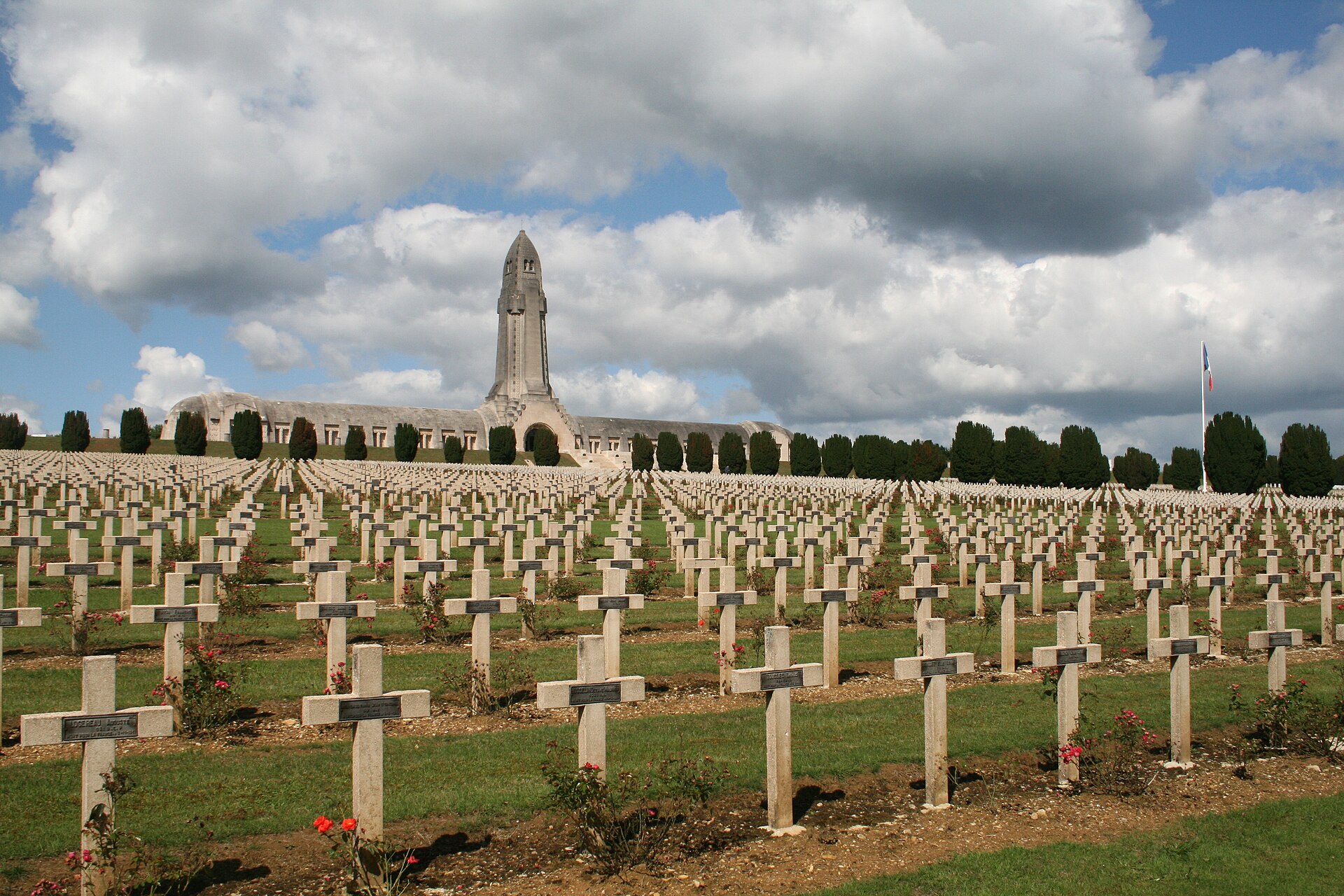

How these lists were made, and what is still missing
The starting list is the live Army roll of those who died, which is drawn from the Canadian Virtual War Memorial, with each name flagged Verified, Enlisted at Windsor, or Held. This page then places a name under a battle only when the date of death falls in that battle's accepted window and the burial or memorial belongs to that sector, or when a CVWM or service record already used on War Chest ties the person to that fight. Men who served and lived are included only where War Chest already has a verified account (Marchant, Gleason, Stapleton, Jasperson, Ross).
This is not a complete roll of everyone from Windsor and Essex County who fought in these battles. Many who served and came home are not yet named. Battalion war diaries and personnel files were not read name by name for every man on the roll. Where a record only shows a death date and a cemetery, this page does not invent a more precise action.
Streets and signs
The City's list of poppy streets is: Ypres, Vimy, Lens, Dieppe, Alsace, Lorraine, Arras, Amiens, St. Julien, Somme and Verdun.12 Kyle L. Stewart photographed poppies on the Ypres, Vimy, Lens and Somme signs on 12 November 2026, and photographed the St. Julien Road sign at Walker Road, which had no poppy that day. Photographs of Alsace, Lorraine, Arras, Amiens, Dieppe and Verdun signs are still to come. Mons, Cambrai, Festubert, Givenchy, Passchendaele, Ortona, Normandy, Caen and Falaise were checked against that City list, the Street Names page and these photographs. They are not poppy streets on the 2005 list, so they do not have their own sections here. Passchendaele names appear under Ypres. Ortona already has two named photographs on the Army page.
Pictures
Kyle's sign photographs are used first. Battle, memorial and cemetery photographs on this page are official Canadian or British photographs now in the public domain, or openly licensed modern photographs, each with a caption and credit. Portraits, grave photographs and memorial close-ups uploaded to the CVWM by named or unnamed contributors are held until permission is clear. No paid image is used. No medal card is used; British medal index cards and most service-file page scans were not cleared item by item for this page. Pictures already published on the Army page (including the Dieppe set, the Courcelette wounded photograph, and the Jack, Weirter, Milne and Comfort paintings) are not repeated; this page links to them instead.
Died during the Somme dates, not listed as Somme deaths
These men died during the Somme date window but are buried in Britain, in Ontario, or at a cemetery this page could not place in the Somme or Ypres sectors. They are not listed as Somme deaths.
| Name | Unit | Date | Fate and burial or memorial | Local link | Source |
|---|---|---|---|---|---|
| John Adams Private | Canadian Infantry (Western Ontario Regiment) | 2 July 1916 | Died 2 July 1916. Kensal Green (All Souls') Cemetery. | Enlisted at Windsor Enlisted in Windsor, Ontario | CVWM record |
| Chester Matthew Willey Second Lieutenant | Royal Garrison Artillery | 9 July 1916 | Died 9 July 1916. Highgate Cemetery. | Verified Enlisted in Leamington, Ontario Family of Kingsville, Ontario Family of Leamington, Ontario | CVWM record |
| Victor Robert Kane Private | Canadian Infantry (Quebec Regiment) | 9 July 1916 | Died 9 July 1916. St. Thomas Cemetery. | Verified Family of Walkerville, Ontario | CVWM record |
| Eric Johnson Private | Welsh Regiment | 10 July 1916 | Died 10 July 1916. | Enlisted at Windsor Enlisted in Windsor, Ontario | CVWM record |
| Charles Walter Hoare Lieutenant | Canadian Infantry (Central Ontario Regiment) | 14 August 1916 | Died 14 August 1916. Bailleul Communal Cemetery Extension. | Verified Family of Walkerville, Ontario | CVWM record |
| Allen Henry MacDonald Private | Canadian Infantry Corps | 1 September 1916 | Died 1 September 1916. Book Of Remembrance. | Verified Born in Windsor, Ontario | CVWM record |
| Hugh Leonard Appleby Private | Canadian Infantry, Canadian Expeditionary Force | 10 September 1916 | Died 10 September 1916. Liverpool (Kirkdale) Cemetery. | Enlisted at Windsor Enlisted in Windsor, Ontario | CVWM record |
Verified means the Canadian Virtual War Memorial record itself names a Windsor-Essex place, which is the Army roll's current rule. Enlisted at Windsor means the record shows enlistment here, and the CVWM record does not name a Windsor-Essex home. Held names stay on the roll with the reason shown; they are not counted as confirmed Windsor-Essex. A date in this battle's window, plus burial or commemoration in that sector, is the basis for listing. This page does not treat every death date as proof of a named action, and it does not claim a complete list of everyone from here who served.
Sources
- Veterans Affairs Canada, 2nd Battle of Ypres, https://www.veterans.gc.ca/en/remembrance/military-history/first-world-war/2nd-battle-ypres.
- As already cited on the Army page: the official lineage of the Essex and Kent Scottish, including First World War honours (Mount Sorrel, Flers-Courcelette, Vimy, 1917, Hill 70, Passchendaele, Amiens and the Hindenburg Line) and the 18th Battalion's dates of sailing and landing in France.
- Veterans Affairs Canada, Map of the Western Front, https://www.veterans.gc.ca/en/remembrance/military-history/first-world-war/map-western-front.
- Veterans Affairs Canada, Battle of Passchendaele, https://www.veterans.gc.ca/en/remembrance/military-history/first-world-war/battle-passchendaele.
- Windsor War Chest, The 1st Battalion at St. Julien, April 1915, /war-chest/chronology/#st-julien-1st-bn, and the rights file for that section.
- Veterans Affairs Canada, Battle of the Somme, https://www.veterans.gc.ca/en/remembrance/military-history/first-world-war/battle-somme.
- Veterans Affairs Canada, Battle of Vimy Ridge, https://www.veterans.gc.ca/en/remembrance/military-history/first-world-war/battle-vimy-ridge.
- Veterans Affairs Canada, The Battle of Hill 70, historical sheet. Official battle dates are also on Veterans Affairs Canada's First World War list, 15 to 25 August 1917.
- Veterans Affairs Canada, The Last Hundred Days, Battle of Amiens, https://www.veterans.gc.ca/en/remembrance/military-history/first-world-war/last-hundred-days.
- Veterans Affairs Canada, The Dieppe Raid, https://www.veterans.gc.ca/en/remembrance/military-history/second-world-war/dieppe-raid.
- C.P. Stacey, Six Years of War (Ottawa, 1955), as already quoted on the Army Dieppe section; and the live Army and chronology pages for Marchant, Gleason, Stapleton and Jasperson.
- City of Windsor, Street Naming and Municipal Addressing, commemorative poppy, 2005, https://www.citywindsor.ca/residents/property/street-naming-and-municipal-addressing.
- Windsor War Chest, Army roll of those who died, drawn from the Canadian Virtual War Memorial, Veterans Affairs Canada.
- Rose City Roots, Street Names, Poppy streets, including photographs by Kyle L. Stewart, 12 November 2026.